
Global oil prices neared $100 a barrel on July 23, 2026, after Iran-backed Houthi rebels claimed attacks on two Saudi Arabian tankers in the Red Sea.
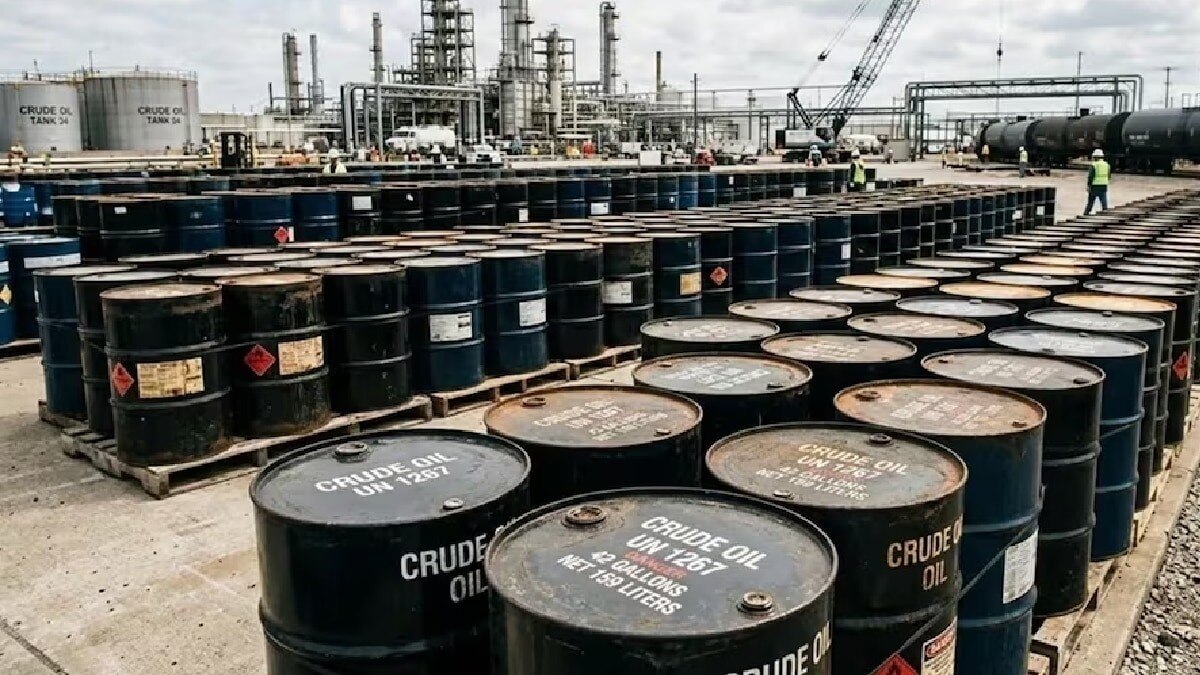
Brent crude, the international benchmark, hit $100 a barrel for the first time since May 26. Other reports place the price at $100.05 per barrel, up 6.4% by 9:15 a.m. ET. U.S. West Texas Intermediate (WTI) crude futures also climbed, reaching $91.08 per barrel, a rise of more than 5%.
The price spike follows claims by Yemen’s Houthis that they targeted the Saudi tankers Encelia and Layla using drones and missiles. The group alleged the vessels breached a maritime blockade. The United Kingdom Maritime Trade Operations reported a tanker was hit approximately 70 nautical miles southwest of Al Shuqaiq, sparking an onboard fire.
U.S. Threats and Iranian Retaliation in the Strait of Hormuz
The market volatility coincides with a breakdown in the U.S.-Iran ceasefire. The U.S. has launched 12 consecutive nights of strikes on targets across Iran, while American B-1 bombers were observed leaving the U.K. according to open-source flight-tracking data.
Tehran responded through the state-run Tasnim News Agency, warning that if the U.S. targets Iranian bridges or power plants, Iran will strike infrastructure and bridges in the region, including energy facilities where the U.S. has interests.
Secretary of State Marco Rubio stated Wednesday that Iran was not being serious
about reaching an agreement with Washington, though he noted the U.S. remains committed to diplomacy.
Economic Fallout: Inflation and Federal Reserve Rate Decisions
The surge in energy costs is complicating the Federal Reserve’s upcoming interest rate decision on July 29. Resurgent oil prices may push inflation higher, potentially forcing the Fed to keep rates steady or introduce a hike.
CME FedWatch data shows the probability of a benchmark rate increase on July 29 has risen to 36%, up from 11% a week prior. Treasury yields have also reacted, with the 10-year Treasury climbing to 4.71%.
In the U.S., the impact is already hitting consumers. AAA data indicates the national average for gas prices hit $4.09 a gallon on Thursday, up from $3.94 the previous week.
Supply Chain Risks in the Bab el-Mandeb Strait
The Houthi attacks target the Bab el-Mandeb Strait, a critical hub connecting the Red Sea with the Gulf of Aden. Oxford Economics notes this route carries roughly 7% of the global oil supply. For Saudi Arabia, this waterway has become a vital export route to bypass the Strait of Hormuz.
HSBC analyst Kim Fustier noted that the ceasefire has frayed since July 7-8, as Iranian attacks on vessels in the Strait of Hormuz led to U.S. retaliatory strikes.
India’s Vulnerability to Crude Volatility
India is particularly exposed to these price swings because it imports more than 85% of the crude oil it consumes. A sustained move above $100 per barrel could widen the current account deficit and put pressure on the rupee.
Vinod Nair, Head of Research at Geojit Investments Limited, described the rally as a major concern for investors, noting that prolonged tensions are filtering into the domestic economy via rising Wholesale Price Index (WPI) and moderated business activity.
U.S. Strategy and Funding Constraints
The U.S. government is facing internal pressure regarding the cost and direction of its Middle East operations. Former U.S. ambassador to Saudi Arabia Joseph Westphal told CNBC that the U.S. lacks the resources to simultaneously fight a war with Iran and protect Red Sea shipping.

Westphal added that the Secretary of War has requested greater funding from a Congress that is very, very anxious
due to a perceived lack of a clear plan. He warned that escalating gas prices would likely trigger a public reaction against the current strategy.
The current rally has already pushed Brent crude nearly 30% higher this month, with WTI futures seeing a monthly increase of about 30%.