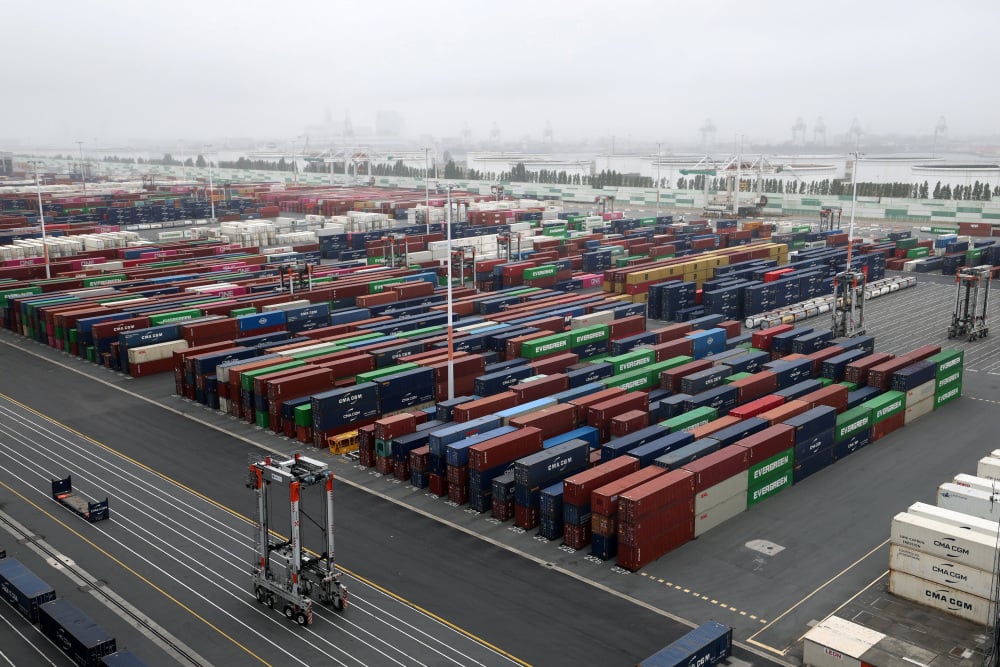
France’s foreign trade deficit has deepened significantly amid a volatile global economic landscape and accelerating domestic deindustrialization. According to data published by national customs authorities, French external commerce has faced mounting pressure from international supply chain disruptions, fluctuating energy costs, and a persistent erosion of manufacturing capacity within the country’s industrial sector.
The widening trade gap highlights structural vulnerabilities in the French economy as policymakers attempt to balance international trade competitiveness with domestic industrial renewal. External shocks, including shifting global demand and intense international competition, have outpaced export growth, leaving trade balances entrenched in negative territory.
Financial analysts tracking the eurozone economy note that the French trade trajectory reflects broader continental challenges, where high production costs and geopolitical tensions continue to weigh heavily on export-oriented industries. Government agencies and economic institutes have repeatedly flagged the decline in manufacturing output as a primary driver of the long-term trade imbalance.
Global Economic Shocks and Export Pressures
International trade turbulence has severely impacted French export volumes across key sectors, including aeronautics, automotive manufacturing, and luxury goods. According to market reports from the Banque de France, shifting global demand combined with high input costs has compressed profit margins for exporters operating in international markets.
Supply chain bottlenecks and geopolitical instability have further increased the cost of raw materials and energy components essential for domestic production. These external pressures have left French goods less competitive against rivals from regions shielded from the worst of the European energy price shocks.
Trade economists emphasize that structural headwinds, rather than temporary dips, explain the persistence of the deficit. As global markets adapt to a fragmented trade environment, French exporters face mounting hurdles to reclaim pre-crisis market shares abroad.
The Impact of Accelerating Deindustrialization
At the heart of the widening trade deficit lies a decades-long trend of industrial contraction within France. Official datasets from France Stratégie and national statistics bureau INSEE indicate that manufacturing’s share of gross domestic product has steadily declined, reducing the capacity of domestic firms to supply both local and international markets.
This industrial erosion forces the country to rely more heavily on imported manufactured goods, worsening the trade balance. Regional business leaders and industry associations have frequently warned that high tax burdens and complex regulatory frameworks discourage capital investment in modern factory infrastructure.
Efforts by the French government to counter this trend through targeted reindustrialization plans and investment incentives under national economic strategies have yielded mixed results. While specialized high-tech sectors have seen localized expansions, legacy manufacturing sectors continue to face closures and downsizing.
Policy Responses and Future Outlook
In response to mounting trade deficits, French economic ministries have focused on structural reforms aimed at boosting business competitiveness, fostering innovation, and modernizing industrial supply chains. Public investments directed toward green technology, artificial intelligence, and semiconductor manufacturing form part of broader national initiatives to rebuild export capacity.
Economic observers point out that reversing trade imbalances will require sustained, long-term capital commitment rather than short-term stimulus measures. International trade committees continue to monitor upcoming quarterly trade releases from customs authorities to gauge whether industrial policy interventions are beginning to stabilize export performance.
Stakeholders, including business federations and labor organizations, await the next official economic forecast release by the Ministry of Economy and Finance for updated indicators on trade performance and industrial output targets.
Related reading