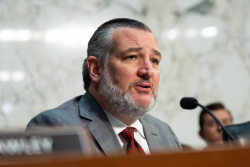
The legislative push to stabilize collegiate athletics through federal intervention is accelerating as lawmakers face mounting pressure from shifting revenue models, antitrust litigation, and conference realignments. At the center of this debate is the proposed Protect College Sports Act, a bipartisan measure designed to establish uniform national standards for student-athletes amid a fractured legal and regulatory landscape.
According to congressional briefings, the legislative effort aims to address the widespread disruption caused by state-level Name, Image, and Likeness (NIL) laws and ongoing legal challenges regarding the employment status of student-athletes. Without federal action, university administrators and athletic directors warn that the chaotic patchwork of state regulations threatens the long-term viability of non-revenue sports and regional conference structures.
For decades, collegiate sports operated under strict amateurism rules enforced by the National Collegiate Athletic Association (NCAA). However, a series of landmark court rulings, most notably the 2021 Supreme Court decision in National Collegiate Athletic Association v. Alston, dismantled traditional compensation limits. Since then, individual states have enacted divergent NIL statutes, creating severe competitive imbalances across athletic conferences nationwide.
The Legal and Financial Pressures Facing Athletics
The urgency behind federal legislative proposals stems from a relentless wave of antitrust lawsuits and administrative rulings. According to filings tracked by legal analysts, athletic departments face billions of dollars in potential liabilities related to retroactive compensation and revenue-sharing demands. The NCAA and major conferences argue that state-by-state compliance makes national administration nearly impossible.
Financial disparities have widened significantly among institutions in the Power Four conferences and mid-major programs. While major football and men’s basketball programs generate substantial media rights revenue, Olympic sports rely heavily on subsidies from institutional budgets and student fees. Athletic directors have cautioned that mounting legal costs and revenue-sharing mandates could force universities to cut dozens of varsity programs entirely.
Furthermore, the rapid pace of conference realignments has strained student-athlete well-being, drastically increasing travel times for academic semesters. Lawmakers supporting reform argue that federal legislation is the only mechanism capable of establishing baseline protections, health standards, and uniform contract terms across all division levels without violating antitrust statutes.
Key Provisions and Stakeholder Perspectives
While details of the legislative framework continue to evolve, discussions in both the House and Senate focus heavily on clarifying the legal classification of student-athletes. According to policy summaries released by congressional committees, the proposed measures seek to explicitly define athletes as students rather than traditional university employees, preserving academic exemptions and tax structures.
Reactions from stakeholders remain deeply divided. Major athletic conferences and university presidents have largely welcomed federal intervention, pointing to the necessity of a single regulatory authority to oversee NIL collectives, agent disclosures, and transfer portal windows. Conversely, player advocacy groups and labor organizers contend that federal preemption could strip athletes of collective bargaining rights and restrict fair compensation.
Key Considerations in the Collegiate Sports Debate
- Employment Status: Debating whether student-athletes qualify as university employees under federal labor laws.
- State vs. Federal Rules: Resolving conflicts between differing state NIL statutes through preemptive federal legislation.
- Title IX Compliance: Ensuring that revenue-sharing models maintain equitable funding for women’s athletic programs.
- Transfer Regulations: Establishing standardized windows for the NCAA transfer portal to protect academic progress.
Legal scholars note that any federal statute must carefully navigate Title IX requirements. Ensuring gender equity in institutional revenue-sharing remains a central challenge for lawmakers drafting comprehensive reform bills. Without explicit statutory protections, universities risk immense legal exposure regarding scholarship distribution and facility investments.
Next Steps in Congress
As committees in Washington prepare for upcoming hearings on collegiate athletics governance, industry stakeholders are closely monitoring legislative markups. While leadership in both chambers has acknowledged the pressing need for stability, the path to a floor vote remains complicated by partisan disagreements over labor rights and federal preemption limits.
University administrators, conference commissioners, and legal representatives are scheduled to testify during forthcoming legislative sessions on Capitol Hill. Readers and sports industry observers can follow official committee schedules and access legislative documents directly through the United States Congress official portal.
We welcome your perspective on the future of collegiate athletics. Please leave a comment below or share this report to join the global discussion on the governance of modern sports.
Keep reading