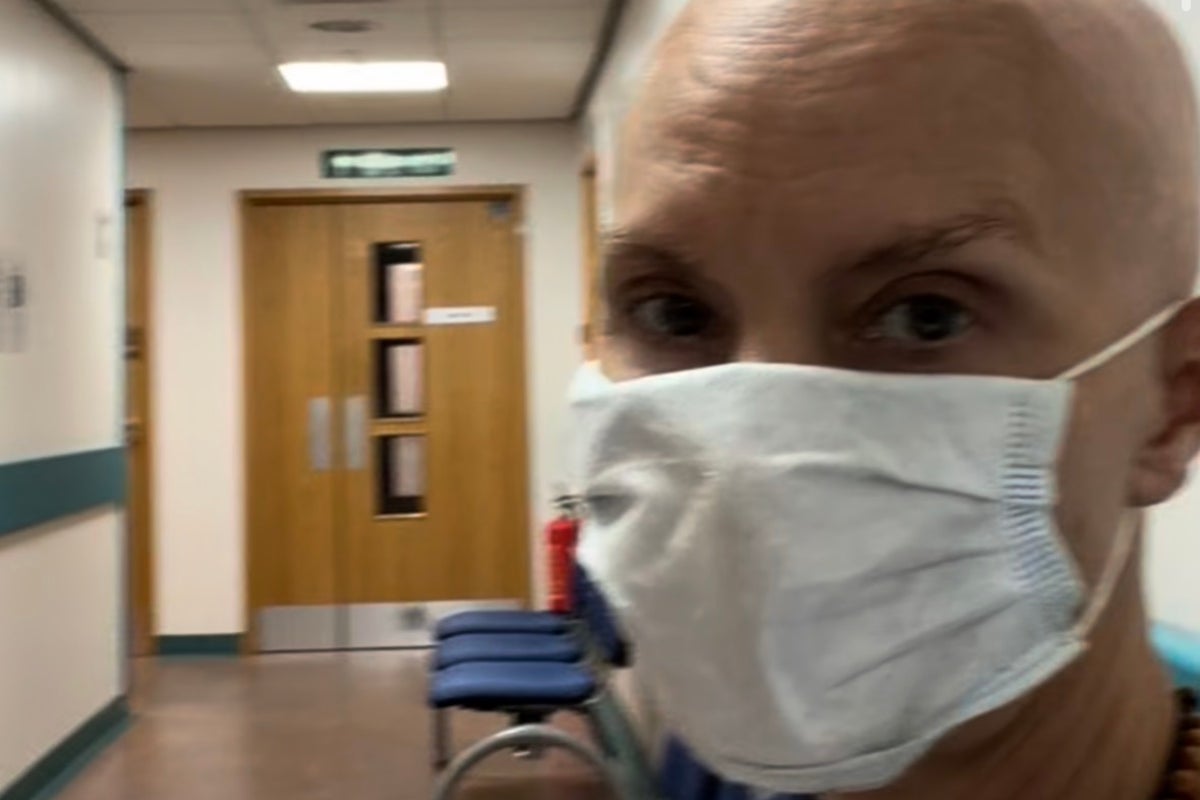
Former Coronation Street star Tracy Shaw has spoken publicly about her breast cancer diagnosis, becoming visibly emotional as she detailed her health journey during a recent media appearance. The 52-year-old actress and singer, widely recognized for her role as Maxine Peacock on the long-running ITV soap opera, revealed that she received the diagnosis in April.
Speaking openly about the emotional and physical toll of the past few months, Shaw shared how the news altered her perspective on daily life. The diagnosis arrived during a routine health check, prompting immediate medical intervention and lifestyle adjustments as she began treatment.
For fans and viewers who watched her rise to prominence on British television during the late 1990s and early 2000s, the announcement brought an outpouring of support across social media platforms. Entertainment industry colleagues and longtime followers have rallied behind the performer as she navigates her ongoing recovery.
Here is a closer look at Tracy Shaw’s career, her public health disclosure, and how the entertainment community has responded to the news.
From Coronation Street to the Stage
Tracy Shaw became a household name across the United Kingdom through her portrayal of hairdresser Maxine Peacock on Coronation Street. She appeared on the show from 1995 until 2003, participating in some of the soap’s most-watched storylines before her character was written out in a dramatic murder plot.
Following her departure from Weatherfield, Shaw transitioned into musical theater and recording work. She toured in stage productions such as Chicago and The Vagina Monologues, while also pursuing her passion for singing. Over the years, she has remained a familiar face in British popular culture, occasionally returning to television and print interviews to discuss her career evolution.
Despite stepping back from continuous soap opera scheduling to focus on family and other creative ventures, public interest in her personal life has remained steady. Her openness about the April diagnosis marks one of her most significant personal disclosures in recent years.
Navigating the Breast Cancer Diagnosis
Discussing the medical timeline, Shaw explained that the detection occurred in April, setting off a rapid sequence of hospital visits, consultations, and medical procedures. Breast cancer diagnoses require careful multidisciplinary treatment planning, involving oncologists, surgeons, and support specialists to determine the most effective course of action.
Health organizations consistently emphasize the importance of early detection and routine screenings. According to public health guidance, recognizing symptoms and attending scheduled mammograms remain critical steps in catching malignancies before they spread. Resources and support networks, such as those provided by organizations like Cancer Research UK and Macmillan Cancer Support, offer extensive guidance for individuals and families facing a cancer diagnosis.
Shaw’s decision to share her story brings renewed attention to the realities of health diagnoses later in life. Public figures speaking candidly about medical challenges frequently prompt surges in public awareness and health-screening inquiries, a phenomenon health charities often refer to as the “awareness effect.”
Industry Support and What Lies Ahead
In the wake of her emotional disclosure, former castmates and television colleagues sent messages of encouragement. The entertainment community has a long history of rallying around performers facing personal adversity, and Shaw’s situation has drawn similar solidarity.
As she continues her recovery, Shaw has not yet announced specific upcoming professional projects, choosing instead to prioritize her health and well-being. Further updates regarding her treatment schedule and recovery milestones are expected to be shared through her official channels as she progresses.
Medical appointments and follow-up evaluations remain her primary focus in the coming weeks. Supporters looking for verified information on breast cancer symptoms, screening procedures, and patient support resources can consult official health service portals such as the National Health Service.
Readers are welcome to share their thoughts and messages of support in the comments section below.
Keep reading