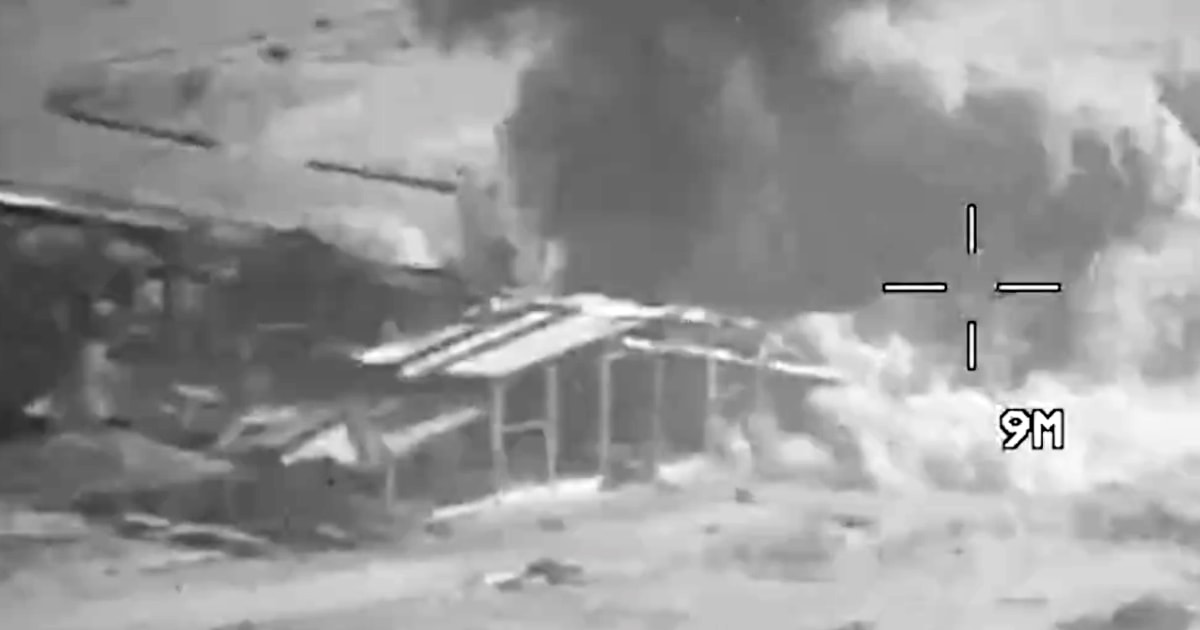
President Donald Trump warned Thursday that the United States is weighing a massive attack on Iran as the conflict expands into the Red Sea following Houthi tanker strikes. Central Command completed its 13th consecutive night of airstrikes on Friday, while international oil prices surged above $100 per barrel amid blockades.
The military confrontation between the United States and Iran escalated sharply this week as maritime trade bottlenecks tightened and diplomatic efforts stalled across the Middle East. Speaking to Axios on Thursday, President Trump stated that he is close to making a decision on a large-scale military operation against Tehran that would be bigger than anything seen in the war so far.
Trump Threatens Massive Strikes and Seizure of Iranian Assets
The renewed threats follow an attack by Yemen-based Houthi rebels on two Saudi oil tankers in the Red Sea earlier in the week. In response, Trump announced on social media that the United States will hold Iran directly responsible for actions taken by its regional proxies.
If they do this again, the U.S. will hold Iran responsible, in that the Houthis are a Surrogate and/or Proxy of Iran,
Trump wrote in a post on Truth Social on Thursday.
Later in the day he also said Washington would use Iranian assets held by the U.S. to pay for any damages to Ships, Cargo, or anything related thereto,
sparking outcry from Tehran. Foreign Minister Abbas Araghchi called the threat an incendiary precedent.
Those who celebrate or profit from such funds should remember: once governments normalize confiscation, no one’s assets are safe,
Araghchi said in a post on X early Friday local time.
Strait of Hormuz and Red Sea Bottlenecks Push Oil Past $100
Traffic through the Strait of Hormuz has ground to a near-standstill amid the continued Iranian attacks. The sole vessel to cross fully through the strait Thursday was the New Giant oil tanker, heading for Rizhao in China. The picture was less clear in the Red Sea, where some ships have turned around in the face of the Houthi threat but traffic did not seem to have slowed overall. In the Bab el Mandeb strait Thursday, eight tankers traveled north through the chokepoint into the Red Sea, with 14 traveling south into the Gulf of Aden.
As energy supply fears multiplied following the attack on two Saudi oil tankers in the Red Sea, global oil prices surged past $100 per barrel. Stocks rose, and oil prices fell following reports that Pakistan is looking for ways to restart stalled peace talks between the U.S. and Iran, which gave investors new hope that the warring powers could find an off-ramp from their path of escalating hostilities.
Centcom Air Campaign and Widening Regional Retaliation
President Donald Trump said the US and Iran remain in talks and that he believes Tehran is getting more serious,
as US bombing continued for 13 consecutive nights after their ceasefire agreement crumbled earlier this month. U.S. forces have pummeled Iranian targets over the past two weeks, with Central Command completing a 13th consecutive night of strikes overnight that concluded shortly before 5 a.m. local time Friday. U.S. Central Command stated the most recent strikes aimed to further degrade Iran's ability to threaten civilian mariners and commercial vessels transiting regional waters
as American forces work to restore control over the Strait of Hormuz, a waterway that handles one-fifth of the world’s oil and gas shipments during peacetime.
The conflict has continued to widen regionally. CNN reported that Kuwait, Bahrain and Jordan said they fended off Iranian attacks again on Friday, while state media said Tehran targeted American military assets in the region hours after US strikes killed four people and partly damaged an Islamic Revolutionary Guard Corps facility. Iranian state media confirmed that four individuals were killed and nine were wounded in the bombardment. Bahrain activated its sirens early Friday to warn residents to shelter from detected fire. Explosions were heard near a military base hosting U.S. forces in northern Iraq, as sirens rang out in Bahrain on Friday.
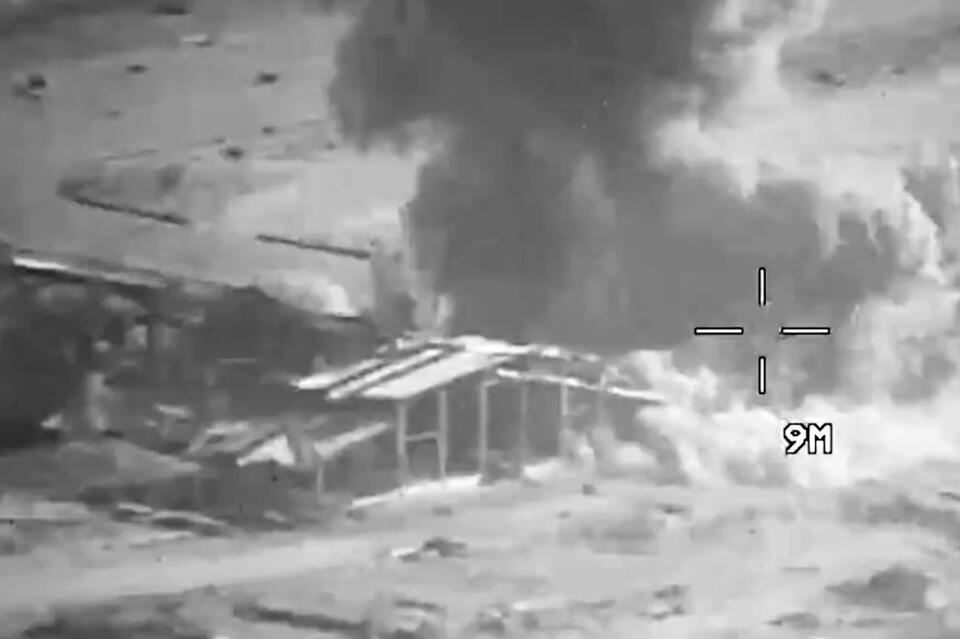
Trump warned on Tuesday that the United States was “not finished” attacking Iran, as Tehran widened strikes on Gulf states after its Houthi allies threatened to blockade Saudi ports. Two weeks after fighting resumed between the decades-old foes, Trump said Iran would need more than 20 years to recover from the damage inflicted in the Middle East war, stating, If we left right now, it would take Iran 20, 25 years to rebuild.
He added, We're not finished at all … we're not leaving right now.
During this period, Trump used a White House meeting with Lebanese President Joseph Aoun to pledge support for his fragile effort to disarm Hezbollah and move towards peace with Israel. Meanwhile, Bahrain said it intercepted Iranian attacks as sirens sounded repeatedly, while Kuwait and Jordan said they had intercepted drone and missile strikes. Kuwait said Tehran had hit power and water desalination plants over several days, including on Monday, forcing residents to ration energy. Iran’s Revolutionary Guards confirmed a strike on Jordan, saying they had targeted a complex housing US terrorist forces in the region of Rukban.
The Iranian army had earlier said it targeted US assets in Kuwait and Bahrain, including air defence systems, radar installations and administrative buildings, warning, With this radar sweep, the enemy should prepare for even more decisive and powerful waves of drone and missile attacks.
Stalled Ceasefire Efforts and Diplomatic Channels
The New York Times reported through multiple outlets that Iran rejected a ceasefire proposal carried to Tehran by Iraqi Prime Minister Ali al-Zaidi, with Iranian officials saying it was the only offer on the table
and a “temporary deal” that did not resolve who would control the Strait of Hormuz. The New York Times also reported that al-Zaidi met with Iranian President Masoud Pezeshkian. In response to the rejection and continued fighting, Trump told Axios, They haven’t received enough pain yet,
and said he was considering a massive attack. Bigger than ever before. I am close to making a decision. We are all set for it,
while also saying the US exit strategy could come diplomatically or militarily.
Iran’s Foreign Minister Abbas Araghchi told Iranian state television, The problem is not passing messages,
and added, The problem is America’s outlook, which is illogical, greedy and controlling.
At the same time, Pakistan is looking for ways to restart stalled peace talks between the U.S. and Iran, Reuters reported Friday morning, citing three Pakistani sources. Iranian Interior Minister Eskandar Momeni visited Islamabad for the second time in 10 days to participate in exploratory discussions, according to Reuters. Momeni, who is seen as being allied with Iran’s Revolutionary Guard, met with Pakistani leaders during his diplomatic outreach.
Keep reading
- Japan’s Nuclear Policy Shift: Shinjiro Koizumi Challenges Taboos Amid Rising Tensions with China
- Africa Photography Exhibition: A New Perspective on Equality
- Trump Accounts Launch: US Government Provides $1,000 Seed Funding for Children (time.news)
- French Army Mobilizes to Fight Massive Southwest Wildfires Near Bordeaux (newsdirectory3.com)