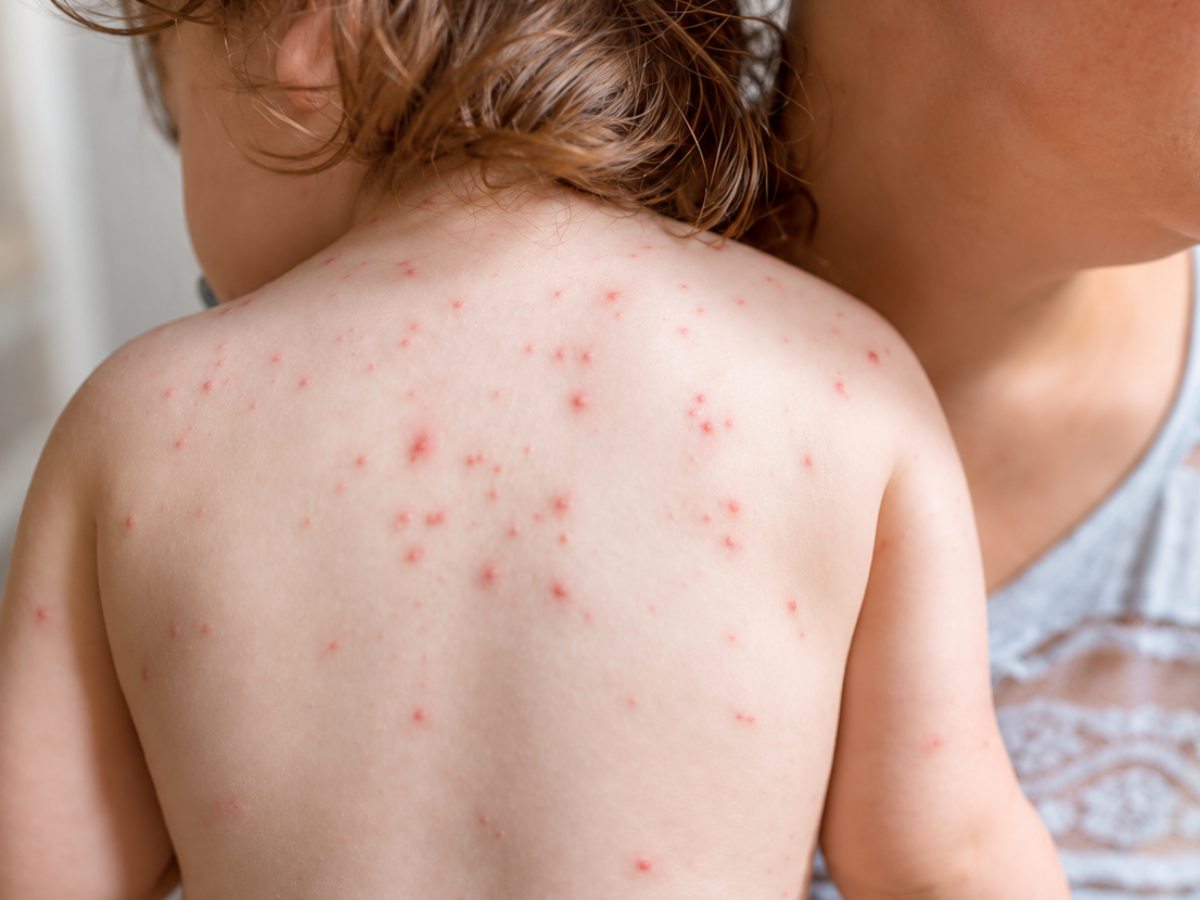
Health authorities across the United States are managing a significant rise in measles infections, driven by low vaccination rates and localized outbreaks affecting school-aged children and infants. According to the Centers for Disease Control and Prevention (CDC), the viral illness has surpassed typical seasonal benchmarks in several jurisdictions, prompting public health officials to issue urgent vaccination advisories and community alert notices.
The resurgence of the preventable disease has placed pediatric clinics and local health departments on high alert. State health agencies report that the virus spreads rapidly through respiratory droplets when an infected person coughs or sneezes, remaining active in the air or on surfaces for up to two hours. Because measles is exceptionally contagious—with a single infected individual capable of transmitting the virus to up to 90% of close contacts who lack immunity—medical professionals emphasize that maintaining high community vaccination coverage is the primary defense against widespread transmission.
As health departments track transmission chains, epidemiologists note that the vast majority of current patients are unvaccinated. Pediatricians and clinical specialists are reminding parents and caregivers to review immunization records, as the two-dose measles, mumps, and rubella (MMR) vaccine remains highly effective at preventing severe illness and limiting community spread.
Clinical Complications and Vulnerable Pediatric Populations
While many patients recover from measles with supportive care, medical literature and public health data show that the infection can lead to severe clinical complications, particularly among young children, pregnant individuals, and immunocompromised patients. According to CDC clinical guidelines, common complications include acute ear infections, which can result in permanent hearing loss, and severe diarrhea that frequently causes dangerous dehydration requiring hospital admission.
More severe manifestations involve acute respiratory involvement, such as pneumonia, which remains a leading cause of measles-related death in pediatric populations. Additionally, acute encephalitis—an inflammation of the brain—occurs in approximately one out of every 1,000 reported cases, potentially leaving survivors with permanent neurological damage. Health officials note that infants too young to receive the first scheduled dose of the MMR vaccine rely entirely on community herd immunity to remain safe from exposure.
Public Health Response and Community Vaccination Strategies
In response to rising case counts, state and local health departments have deployed targeted vaccination clinics and intensified outreach efforts in affected neighborhoods. Public health agencies are coordinating directly with school districts and childcare centers to identify susceptible populations, enforce state-mandated school entry vaccination rules, and offer catch-up immunization schedules for families.
Medical directors emphasize that early recognition of symptoms—such as a high fever, cough, runny nose, and red, watery eyes followed by a characteristic rash spreading from the face downward—is critical for preventing further exposure in waiting rooms and public spaces. Clinics and hospitals have re-established strict triage protocols to isolate suspected measles patients immediately upon arrival.
Families seeking to verify their immunization status or locate nearby clinics offering the MMR vaccine can consult the CDC immunization portal or contact their primary care providers for individualized guidance. Public health agencies plan to release updated epidemiological summaries as ongoing contact-tracing investigations conclude.
Worth a look