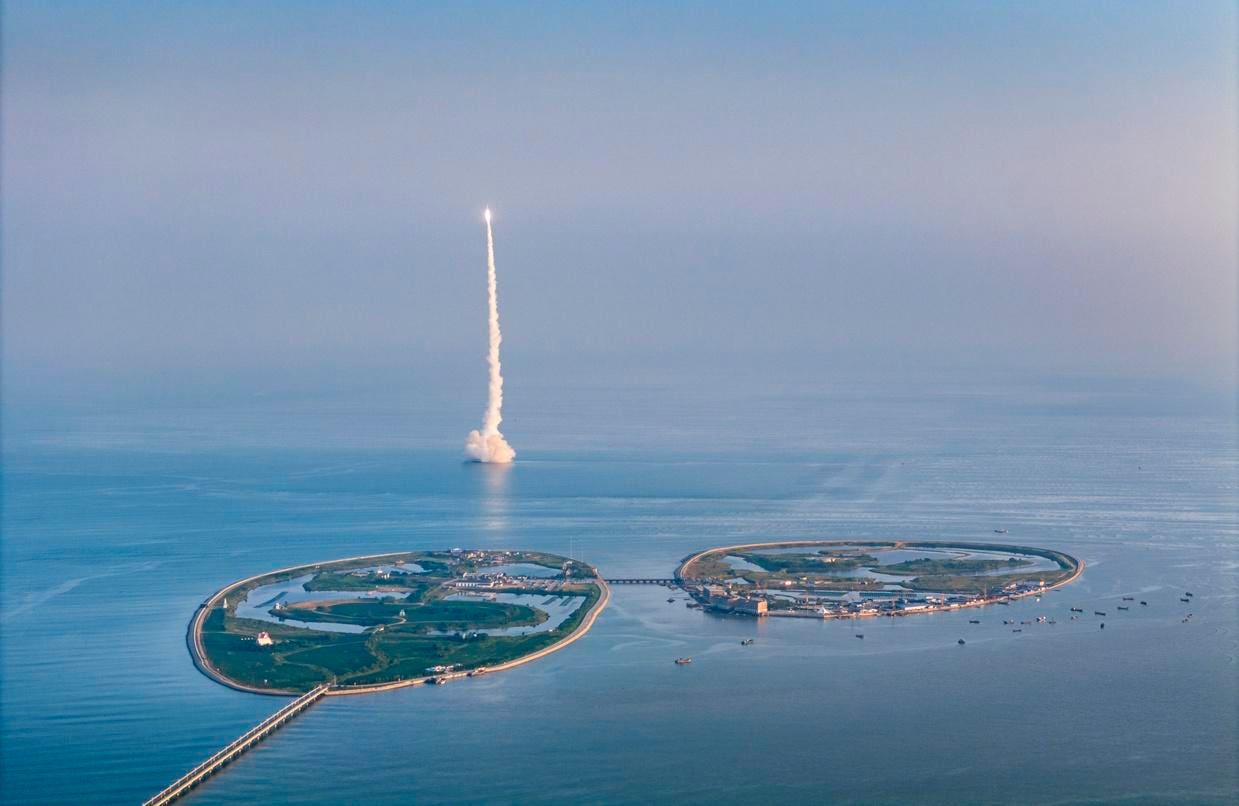
Iran launched a wave of retaliatory missile and drone strikes targeting U.S. military bases in Jordan, Iraq, Kuwait, Qatar, and Bahrain on Friday. The widespread attacks followed a 13th consecutive night of U.S. bombardments, intensifying a regional conflict that has effectively closed the Strait of Hormuz and driven global oil prices upward.
U.S. Intercepts Drones in Irbil While Bases Across the Gulf Face Fire
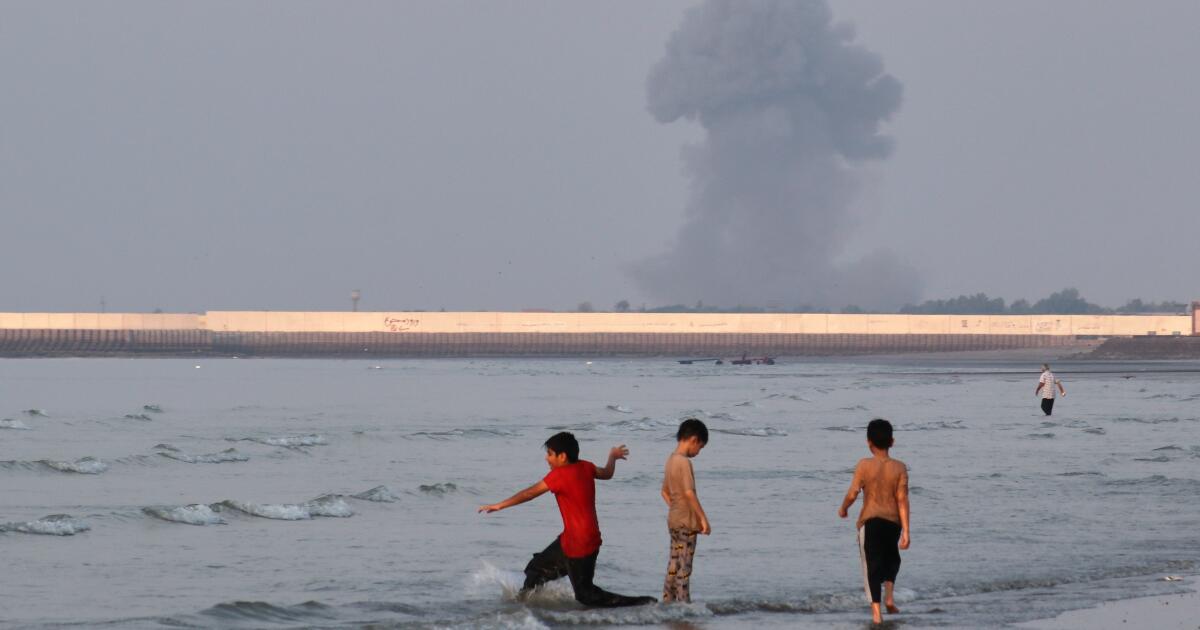
The widening exchange of hostilities hit northern Iraq early Friday as security officials in Irbil reported that U.S.-led forces shot down five explosive-laden drones. Plumes of black smoke rose near the local airport where American forces are stationed, following repeated blasts that echoed across the capital of Iraq’s semiautonomous Kurdish region. U.S. Central Command did not immediately respond to inquiries regarding the drone attacks.

Further south, Iran’s Islamic Revolutionary Guard Corps targeted multiple allied installations. According to state media reporting and regional updates, the IRGC claimed it struck a watchtower for the U.S. Navy’s Fifth Fleet in Bahrain, causing damage, and destroyed three ammunition and storage sheds at the U.S. base in Udairi, Kuwait. Kuwaiti and Bahraini forces confirmed intercepting incoming aerial threats, though Kuwaiti officials noted at least one person sustained injuries from falling shrapnel. Iran’s Islamic Revolutionary Guard Corps said it has attacked Amazon’s data infrastructure in Bahrain, according to a statement reported by Fars, an IRGC-linked state media outlet. Fars News Agency said on Tuesday the IRGC had attacked the central data infrastructure of the American company Amazon in Bahrain with several cruise missiles and destroyed it,
according to a translated Telegram post. CNBC was unable to independently verify the information, and CNBC reached out to the National Communication Center of Bahrain and Amazon for comment.
Jordanian Military Intercepts Missiles and Drones Over National Airspace
Jordan found itself directly caught in the crossfire as its military intercepted incoming fire. A military source at the General Command of the Jordan Armed Forces told the Petra News Agency that Jordanian aircraft shot down seven missiles and six drones launched from Iran. The interceptions caused no casualties or damage within the kingdom.
Iranian state media maintained that the drones specifically targeted aircraft hangars, maintenance facilities, and barracks at Muwaffaq Salti Air Base, also known as Al-Azraq Air Base, in eastern Jordan. The facility hosts nearly 4,000 U.S. troops. While Amman maintains diplomatic ties with Tehran and has repeatedly stated its territory will not serve as a launchpad for regional attacks, the kingdom’s airspace has been repeatedly breached since hostilities erupted. Jordan’s military also confirmed the attacks, saying its forces intercepted a cruise missile, three ballistic missiles and 10 drones, and Iran also fired at least 10 ballistic missiles toward Jordan’s Azraq military base, which hosts the US Air Force’s 332nd Air Expeditionary Wing, according to the Islamic Revolutionary Guard Corps (IRGC). Jordan’s armed forces said eight of the missiles were intercepted, with debris falling onto its territory, but no injuries reported.
Strait of Hormuz Disruption Leaves Thousands of Mariners Stranded
At the center of the economic fallout is the Strait of Hormuz, which has been effectively shut down by Iranian attacks on maritime traffic. In the Gulf of Oman, the U.S. military disabled the M/T Lavine after the ship attempted to breach the port blockade four times. Captain Tim Hawkins stated that the crew ignored prior warnings, prompting the military to fire directly into the vessel’s engine room.
Diplomatic Stalemate Persists as Casualties Mount
In the Oval Office on Friday, President Donald Trump described negotiations with Iran as by far the most serious that we’ve seen,
even as the U.S. launched daily strikes and said it was “not in a hurry” to end the war. Iranian Foreign Minister Abbas Araghchi vowed that Iran will not bow to U.S.
bullying and warned in an interview with Tasnim that the Islamic Republic is neither intimidated by threats nor will we yield to pressure.
Iranian Foreign Minister Abbas Araghchi noted ongoing discussions with two global powers often at odds with Americans — China and Russia.
With fighting flaring again and diplomacy appearing to sputter, both sides made moves suggesting an escalation was possible. U.S. embassies in the Middle East began alerting Americans in the region that options to leave could become more limited, while Iran’s Revolutionary Guard advised residents of neighboring countries to stay away from bases with U.S. troops. Meanwhile, mourners for slain Iranian Supreme Leader Ali Khamenei held a banner that read, WE WILL KILL TRUMP.
Related reading
- 2026 FIFA World Cup Final Generates Buzz in Argentina
- Drunken British soldiers arrested after joyride in stolen armored vehicle causes £100,000 in damage
- Uncontrollable Wildfires Sweep Across Europe: Thousands Evacuated in Spain and France (newsdirectory3.com)
- Iran Claims Destruction of US Military Bases and Amazon Data Center in Middle East (archyde.com)