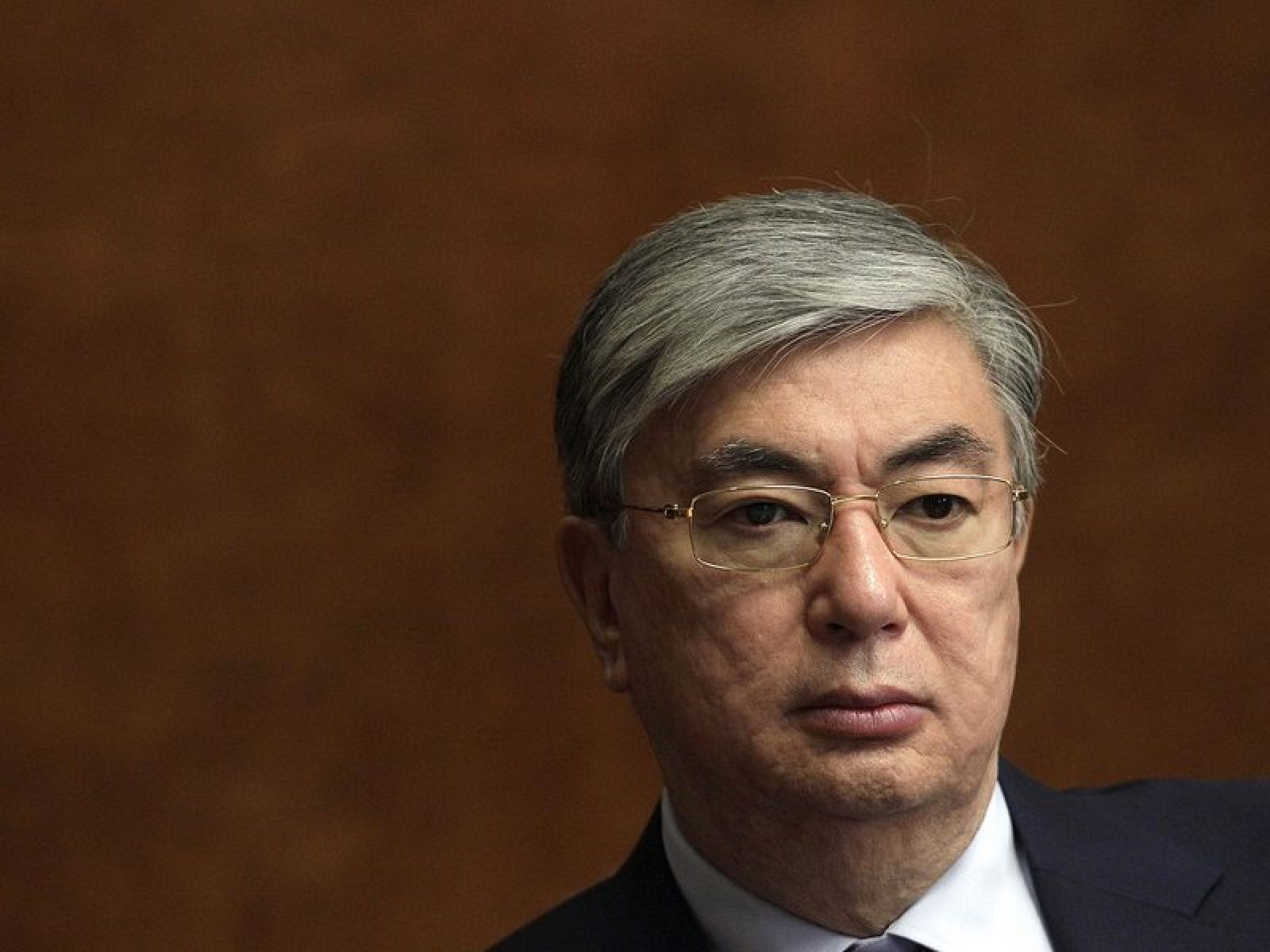
Kazakhstan President Kassym-Jomart Tokayev has publicly raised the prospect of freezing the ongoing military conflict between Russia and Ukraine, pointing to diplomatic paths as a necessary alternative to continued escalation. Speaking during diplomatic engagements, Tokayev emphasized that the opportunity for peace should not be missed, highlighting the role of strategic dialogue among global powers.
The diplomatic overture arrives as international stakeholders continually evaluate pathways toward a negotiated settlement. According to regional reports from Reuters, Central Asian nations have increasingly navigated a delicate diplomatic balance since the outbreak of hostilities, maintaining traditional trade and political ties with Moscow while asserting support for United Nations principles regarding territorial integrity.
Tokayev’s remarks underline a broader regional concern over the economic and security disruptions stemming from the prolonged war. As global energy markets and supply chains absorb the ongoing pressures of the conflict, diplomatic capitals across Eurasia are closely watching for any shift in official negotiating stances from Moscow and Kyiv.
Diplomatic Balance and Regional Stakes in Central Asia
Astana has maintained a consistent diplomatic posture, advocating for a peaceful resolution grounded in the UN Charter. Throughout the conflict, Kazakh leadership has offered humanitarian assistance to Ukraine while managing complex bilateral relations with Russia, a key economic partner and neighbor sharing a massive land border with Kazakhstan.
According to updates tracked by the BBC, Central Asian republics face distinct economic vulnerabilities tied to secondary sanctions, shifting trade routes, and regional security realignments. Tokayev’s call for a freeze reflects these acute pressures, as regional governments seek to insulate their economies from further external shocks caused by prolonged hostilities.
International relations analysts note that while Kazakhstan lacks direct mediation leverage to unilaterally alter the course of the war, its strategic positioning allows Astana to voice positions that resonate across the Global South and non-aligned states. These nations frequently advocate for ceasefires and immediate humanitarian pauses to prevent further global instability.
International Responses and Next Steps
The proposal to freeze current frontlines mirrors various international proposals floated by external mediators over the past two years. However, both Kyiv and Moscow have repeatedly stated divergent preconditions for formal peace talks, complicating any immediate transition from battlefield engagements to structured diplomatic negotiations.
Official statements from Moscow have maintained that any ceasefire must account for territorial realities on the ground, while Ukrainian leadership insists on the full restoration of its internationally recognized borders before comprehensive peace agreements can be finalized. Consequently, diplomatic initiatives from regional neighbors serve primarily to keep dialogue channels open rather than executing an immediate breakthrough.
Observers will monitor upcoming diplomatic forums and bilateral high-level meetings for any shift in Moscow’s official receptiveness to regional mediation efforts. Official updates regarding foreign policy shifts and multilateral diplomatic engagements can be tracked through the United Nations press office as member states prepare for upcoming General Assembly sessions.
Worth a look