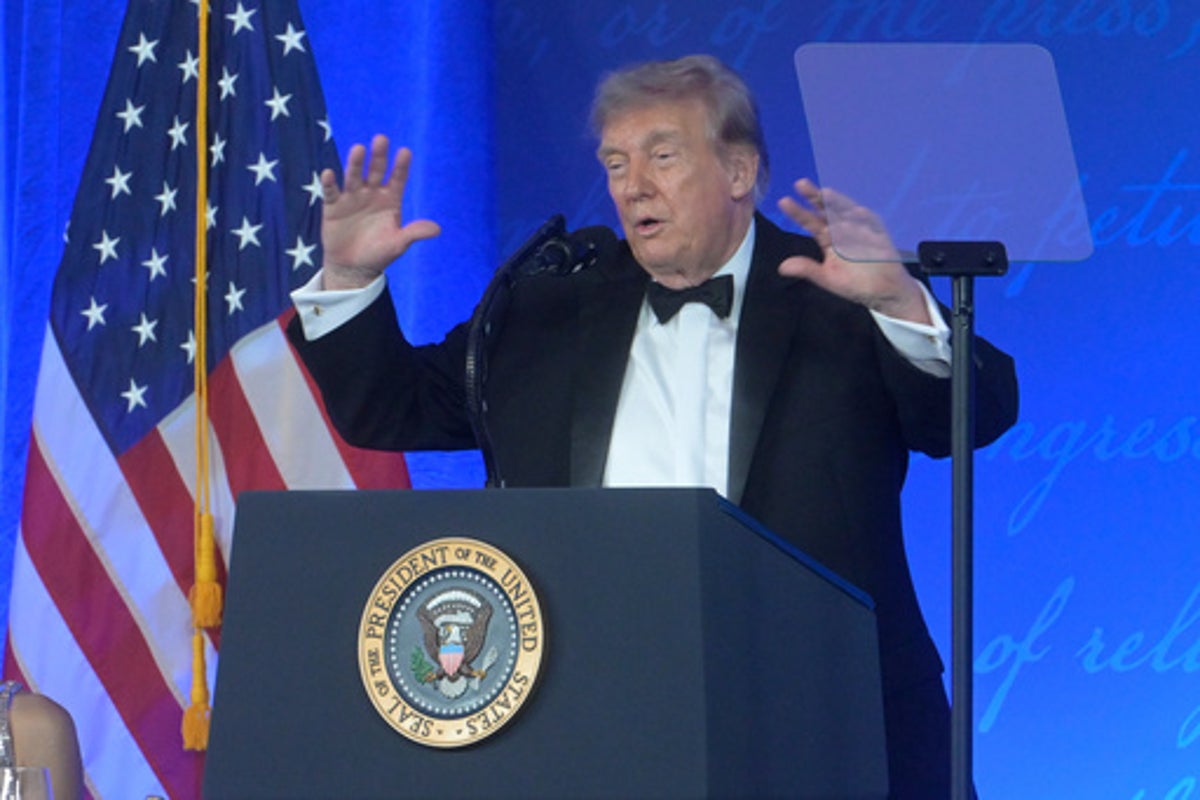
Public reaction to the White House Correspondents’ Dinner and presidential speeches often bridges deep political divides, drawing sharp commentary from everyday citizens tuning into public broadcast networks. Viewers calling into programs like C-SPAN’s public call-in segments frequently express unfiltered frustrations with modern political rhetoric, reflecting wider public weariness over polarized media events and high-profile political roast traditions.
During broadcast discussions examining political speeches and media dinners, audience members from various political affiliations regularly voice intense dissatisfaction with the tone set by national leaders. While some viewers defend the lighthearted nature of traditional Washington D.C. correspondents’ banquets, others view the public sparring between elected officials and media figures as emblematic of a deeper breakdown in civic discourse.
These call-in forums offer a distinct window into voter sentiment, capturing immediate reactions that often run counter to polished party talking points. As broadcasters field calls from across the United States, common themes emerge regarding presidential conduct, media bias, and the overall state of American political culture.
Voter Reactions Highlight Deep Partisan and Cultural Divides
Discussions surrounding political entertainment events frequently expose stark contrasts in how different segments of the electorate view presidential communication. Callers frequently debate whether humor has a proper place in modern governance or if sharp comedic routines diminish the dignity of the executive office.
Critics of these high-profile appearances argue that televised roasting sessions exacerbate partisan hostility rather than fostering national unity. When voters take to public airwaves to share their perspectives, their commentary often underscores a broader exhaustion with Washington pageantry. Conversely, defenders contend that political humor and thick-skinned resilience remain vital traditions in an open democratic society, allowing leaders to demonstrate self-awareness under pressure.
This ongoing debate highlights the challenges modern administrations face when balancing traditional public diplomacy with the demands of contemporary media culture. Every joke delivered from the presidential podium is scrutinized not just for its comedic value, but as an indicator of broader political strategy and executive temperament.
The Role of Public Call-In Programs in Modern Media
Unfiltered audience participation platforms serve a crucial barometer function for political researchers and media analysts alike. Unlike curated focus groups or partisan panels, call-in shows provide a direct channel for citizens to articulate their grievances and praise without intermediate filtering.
Broadcasters facilitate these conversations to capture the raw pulse of the nation following major political addresses or cultural milestones. The insights gathered from these segments illustrate how national media events resonate far outside the Washington beltway, landing squarely in living rooms across rural, suburban, and urban communities.
As media consumption habits evolve, the demand for authentic, unscripted public feedback remains high. Viewers look to these programs to gauge whether national discourse reflects their own lived experiences or if political elites inhabit an entirely separate reality.
What Happens Next
Broadcasting networks will continue to host viewer feedback programs and live discussion panels as part of their ongoing coverage of executive administration events and media relations. Observers can monitor official public schedules and upcoming broadcast listings through major public affairs networks for future call-in opportunities and congressional updates.
We welcome your perspective on this discussion. Please share your thoughts in the comments below to join the conversation on modern political discourse.
- ട്രംപിന്റെ അപ്രതീക്ഷിത നീക്കം, 13 ദിവസത്തിന് ശേഷം ഇറാന് നേരെ ആക്രമണമില്ല, സംഘർഷത്തിൽ താത്കാലിക വിരാമമെന്ന് ശുഭ സൂചന – Asianet News Malayalam
- 한국 축구의 철학은 무엇입니까? 월드컵 우승 스페인이 던진 질문 – 주간조선
- Trump Insults Journalists During White House Correspondents’ Association Dinner (news-usa.today)
- Donald Trump Returns to White House Correspondents’ Association Dinner (archyworldys.com)