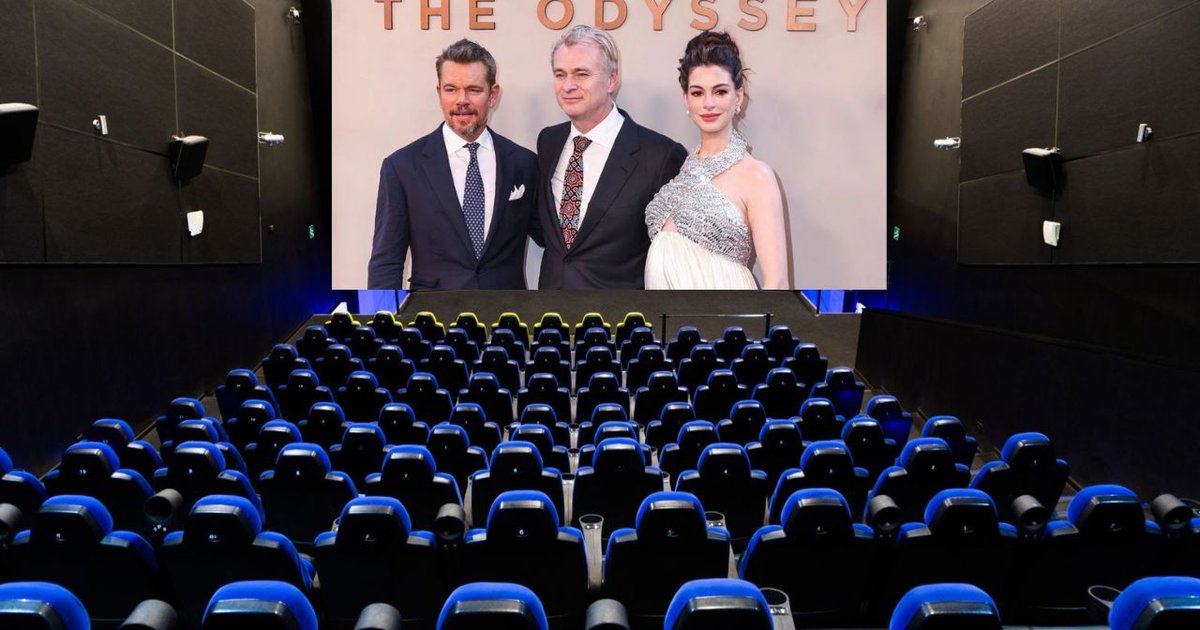
When film fans sit down to watch a major cinematic release like La Odisea, choosing the right screening format can drastically change the experience. Audiences weighing the differences between IMAX and conventional Cine Colombia auditoriums encounter two distinct technological approaches to picture size, sound design, and auditorium geometry. Understanding these architectural and acoustic variations helps moviegoers decide where to purchase their tickets for upcoming blockbusters.
Traditional multiplex auditoriums typically feature a flat screen positioned at the back of a standard rectangular room, paired with surround sound configurations distributed along the side walls. In contrast, premium large-format venues like IMAX incorporate deeply curved screens that extend into the audience’s peripheral vision, alongside proprietary projection and multi-channel audio setups. These structural differences dictate everything from how light hits the silver screen to how sound travels through the room.
For cinematic projects designed with expansive visual scopes, such as epic historical dramas or large-scale adventures, the projection geometry plays a central role. Conventional screens offer a standard aspect ratio suited for traditional filmmaking, whereas IMAX systems often utilize taller frames that reveal significantly more image area at the top and bottom of the picture. This specialized framing allows directors to maximize the visual impact of sweeping landscapes and detailed action sequences.
Screen Geometry and Visual Immersion
The physical layout of the viewing space sets the foundation for how immersive a movie feels. In a conventional Cine Colombia theater, the screen is flat and framed within a traditional proscenium arch, keeping the action cleanly contained in front of the viewer. Standard seating tiers rise gradually toward the back, maintaining a consistent perspective across all rows.
IMAX auditoriums redesign this geometry entirely by bringing the screen closer to the audience and curving the edges inward. According to technical specifications provided by IMAX Corporation, this curvature fills peripheral vision, tricking the brain into processing the scale of on-screen objects as life-sized. The custom silver-surface screens also maximize light reflectivity, producing a brighter and sharper image than standard white matte screens found in regular multiplexes.
Acoustic Engineering and Sound Delivery
Sound design represents another major divergence between standard cinema rooms and premium large formats. Traditional theaters rely on standard multi-channel speaker arrays placed strategically around the perimeter of the room to deliver dialogue, background noise, and musical scores. While effective for most commercial releases, these systems distribute sound evenly without individual channel calibration for every seat.
IMAX sound systems utilize uncompressed digital multi-channel audio paired with proprietary laser-aligned loudspeakers. Every speaker in the room undergoes real-time tuning and calibration to ensure sound waves reach every seat with pinpoint accuracy. This setup allows sound engineers to position specific audio effects—such as a passing aircraft or a distant whisper—precisely within the three-dimensional space of the auditorium, enhancing emotional engagement during pivotal scenes.
Aspect Ratios and Expanded Field of View
One of the most noticeable differences for viewers watching a feature film is the framing of the image. Standard commercial theaters project movies in fixed aspect ratios, usually 1.85:1 or 2.39:1, which can result in black letterbox bars appearing at the top and bottom of the screen depending on the camera package used by the filmmakers.
Selected IMAX presentations leverage proprietary digital remastering processes to optimize image clarity and color grading for large screens. When a movie is filmed with certified IMAX cameras or specially formatted for the system, it utilizes an expanded aspect ratio—often up to 1.9:1 or even 1.43:1 in classic dome theaters. This extra visual data fills the towering screen, offering viewers up to twenty-six percent more picture than a standard theatrical screening.
Making the Right Choice for Your Next Movie
Deciding between a conventional screening and an IMAX ticket often comes down to personal preference, ticket pricing, and the specific visual style of the film being shown. Standard auditoriums provide a comfortable, reliable cinematic experience that faithfully reproduces most contemporary films at a standard admission cost. They remain the ideal choice for dialogue-driven dramas, comedies, and mid-budget releases where sweeping peripheral visuals are less critical.
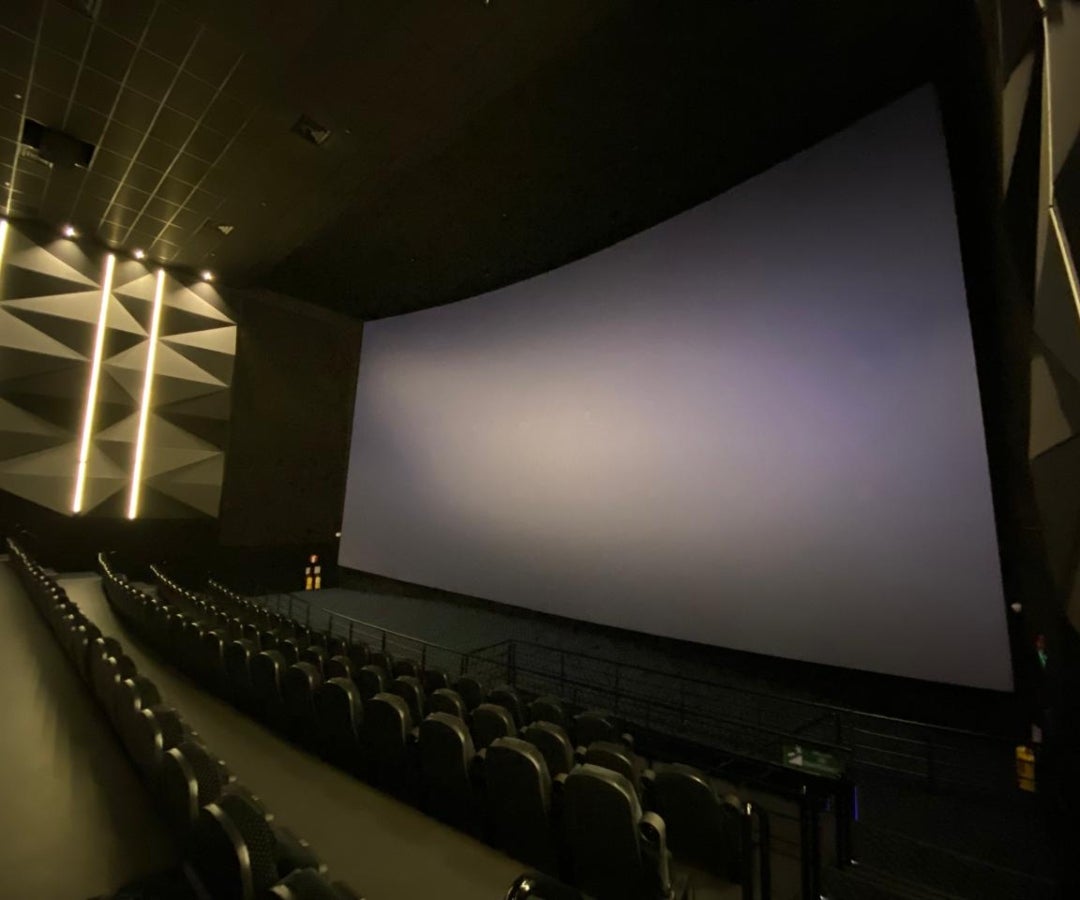
Conversely, IMAX screenings cater to audiences seeking maximum sensory immersion for visual spectacles. Viewers interested in tracking upcoming releases, showtimes, and ticket availability can visit the official Cine Colombia portal to check local theater configurations and confirm whether a specific title is scheduled for large-format exhibition. Reviewing theater maps and technical details ahead of time ensures moviegoers select the exact viewing environment that matches their cinematic expectations.