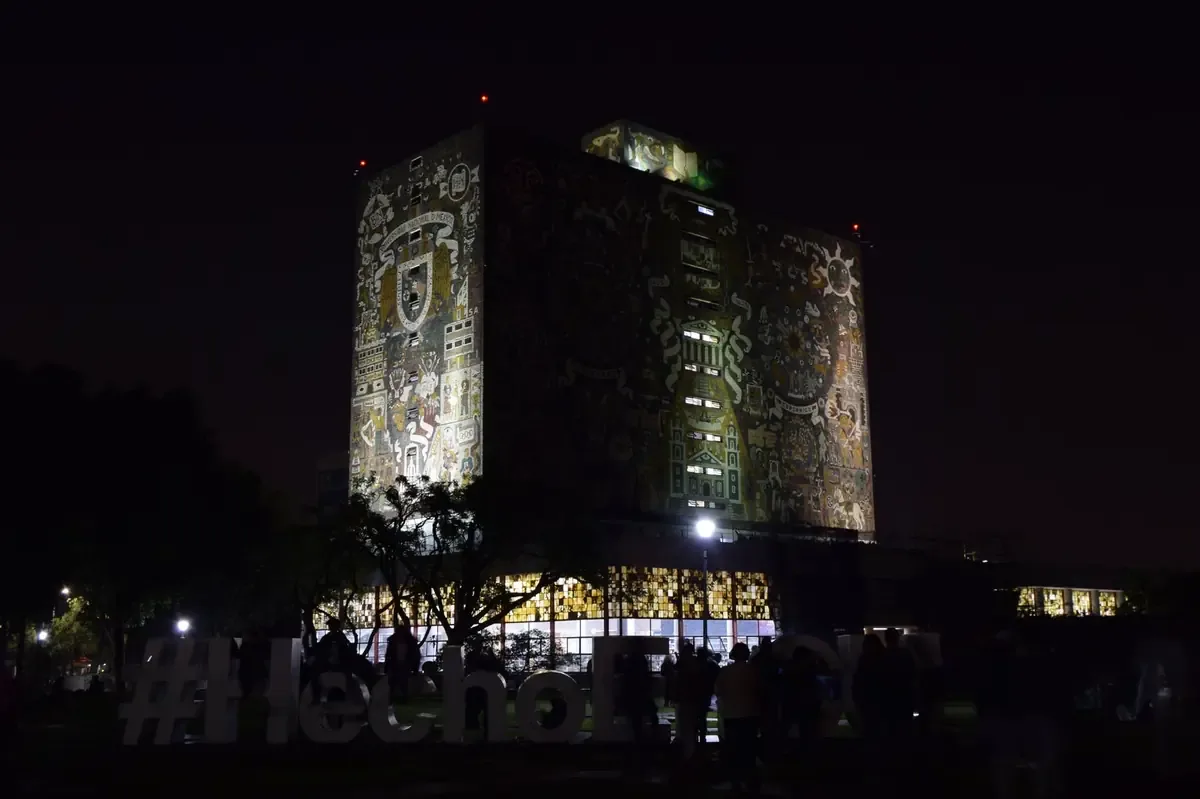
La Universidad Nacional Autónoma de México (UNAM) has underscored an urgent national requirement for digital literacy programs to counter a rising tide of misinformation and disinformation across public communication channels. Academic specialists from the institution point out that unchecked manipulation of digital content poses a direct threat to democratic stability, public trust, and informed civic participation throughout the country.
The institutional warning arrives as social media platforms and messaging apps increasingly serve as primary vectors for unverified claims, altered media, and targeted falsehoods. According to institutional reviews highlighted by university researchers, structural vulnerabilities in digital comprehension leave broad segments of the population exposed to coordinated information campaigns designed to polarize public debate.
Addressing these vulnerabilities requires systematic educational interventions rather than simple content moderation. University researchers emphasize that building societal resilience depends on equipping citizens of all ages with the critical evaluation tools necessary to interrogate digital sources, verify publisher credentials, and recognize synthetic or out-of-context media before sharing them across digital networks.
Democratic Risks of Unchecked Information Manipulation
Democratic governance relies on a shared baseline of verifiable facts. When digital networks flood with synthetic or intentionally distorted narratives, public decision-making processes face severe strain. Academic evaluations indicate that automated bots and coordinated amplification networks frequently exploit societal anxieties during high-stakes political or social events.
The proliferation of unverified content forces civic institutions to spend significant resources debunking falsehoods after they gain viral traction. University experts note that reactive fact-checking alone cannot keep pace with high-volume digital distribution systems. Preventive education remains the primary mechanism to blunt the impact of coordinated disinformation campaigns.
Public agencies, academic institutions, and civil society organizations share a responsibility to establish clear verification standards. Without structural reforms in how digital media is taught and consumed, misinformation risks eroding public confidence in electoral integrity, scientific consensus, and journalistic reporting.
Expanding Digital Literacy Across Mexican Communities
Effective digital literacy initiatives must extend beyond university lecture halls to reach diverse demographic groups across Mexico. Educational strategies focus on practical verification methods, teaching students and adult learners how to trace image origins, cross-reference breaking claims with established news agencies, and identify structural indicators of fabricated stories.
Public libraries, community centers, and secondary schools represent vital outposts for deploying these educational frameworks. Municipal programs that incorporate basic media evaluation into standard curricula help bridge the digital divide, ensuring that vulnerable populations—particularly older adults and rural communities with limited internet exposure—gain essential analytical competencies.
Collaborative efforts between academic researchers and technology platforms can also support localized fact-matching tools. However, specialists stress that technological solutions cannot replace human critical thinking. Empowering individuals to question the provenance and intent of digital content remains the cornerstone of any sustainable counter-disinformation strategy.
Next Steps for Institutional and Public Action
Institutional discussions regarding national digital literacy guidelines continue across academic and legislative forums in Mexico. Stakeholders anticipate further announcements from educational authorities detailing expanded teacher-training modules and public awareness campaigns designed to strengthen civic resilience against digital manipulation.
Readers seeking official educational resources, verified studies, and upcoming academic forums on digital safety can consult the Universidad Nacional Autónoma de México portal for continuous updates and published research reports. Share your thoughts on how communities can better combat misinformation in the comments below.