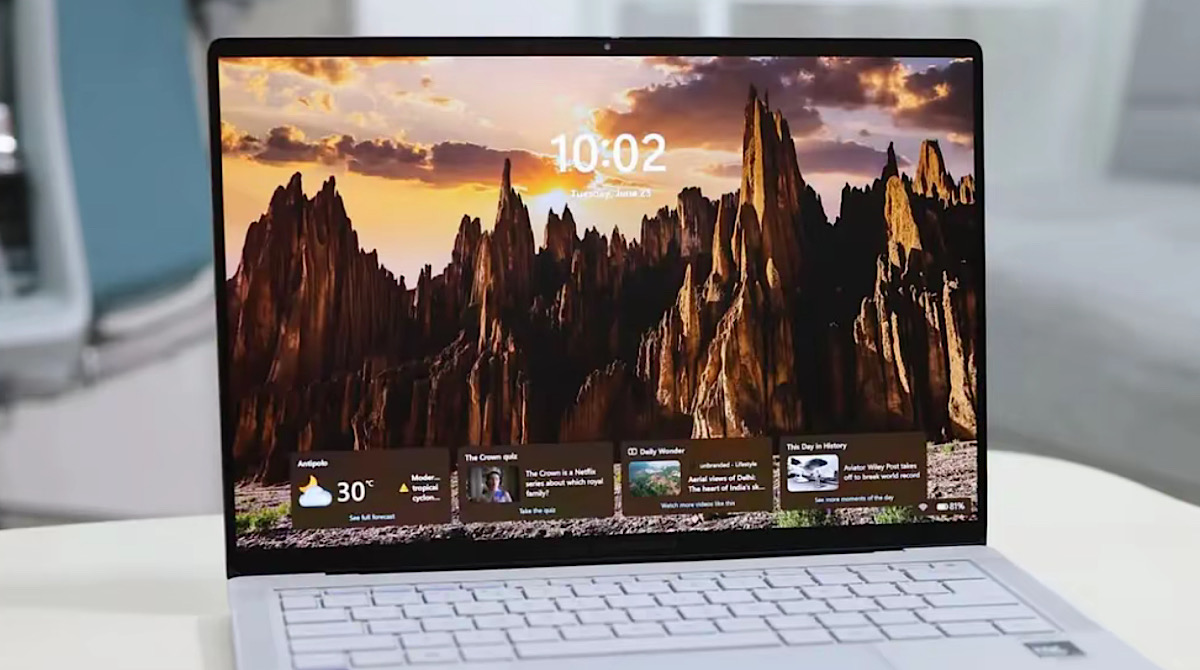
Asus has positioned its ExpertBook lineup at the forefront of enterprise mobility, drawing industry attention for hardware designed around modern processing demands. Recent market discussions have highlighted the Asus ExpertBook series—including models like the AI-driven ExpertBook P5—as a leading contender in the corporate notebook segment, prompting close comparison with rival enterprise machines from major manufacturers.
As artificial intelligence integration becomes a baseline expectation for business operations and small-to-medium enterprises, hardware developers are racing to optimize silicon for local machine learning tasks. According to industry reports from outlets such as Republika, hardware manufacturers are emphasizing neural processing units to handle heavy workloads while preserving device longevity away from the wall outlet.
Evaluating how these machines stack up against competitors requires looking closely at processing specifications, battery performance, and enterprise security features. With business users demanding lighter chassis coupled with day-long operational capability, the market competition has shifted from raw clock speeds to efficiency and intelligent power management.
The Rise of AI-Driven Business Laptops
The integration of dedicated neural processing units, commonly known as NPUs, marks a major shift in how corporate hardware operates. Analysts and industry observers note that modern professionals increasingly rely on on-device artificial intelligence tools for transcription, predictive text, and enhanced video conferencing without draining the main processor or depleting battery reserves rapidly.
According to hardware specifications detailed by DetikInet, machines such as the Asus ExpertBook P5 series incorporate specialized hardware designed specifically to accelerate these local workloads. By offloading recurring tasks to dedicated silicon, these laptops aim to maintain thermal efficiency during intensive office tasks.
This architectural shift addresses a primary concern for mobile professionals: longevity away from power sources. As software developers optimize office suites and security protocols to utilize local AI acceleration, notebooks equipped with capable NPUs offer a tangible advantage in day-to-day productivity.
Comparing Asus Against Enterprise Competitors
When measuring the ExpertBook series against competing business lines from brands like Lenovo, HP, and Dell, several distinct factors emerge.
Tech analysts reporting via Bloomberg Technoz highlight that Asus has targeted the professional and SME sectors by balancing enterprise-grade security chips with lightweight chassis designs.
Price-to-performance ratios also play a critical role in purchasing decisions for growing businesses.
Evaluating Hardware Choices for Enterprise Buyers
Organizations purchasing new fleets face critical choices regarding future-proofing and hardware lifespans.
Coverage from international technology analysis outlets like Vietnam.vn points out that buyers must evaluate whether their specific software stack actually leverages local AI acceleration today or if the purchase is an investment in upcoming software updates. IT administrators must weigh these hardware capabilities against existing corporate infrastructure before standardizing new device rollouts.
As manufacturers continue to refine their enterprise lineups, prospective buyers should review official vendor specifications and independent benchmarks to match hardware capabilities with specific organizational workflows.
Worth a look