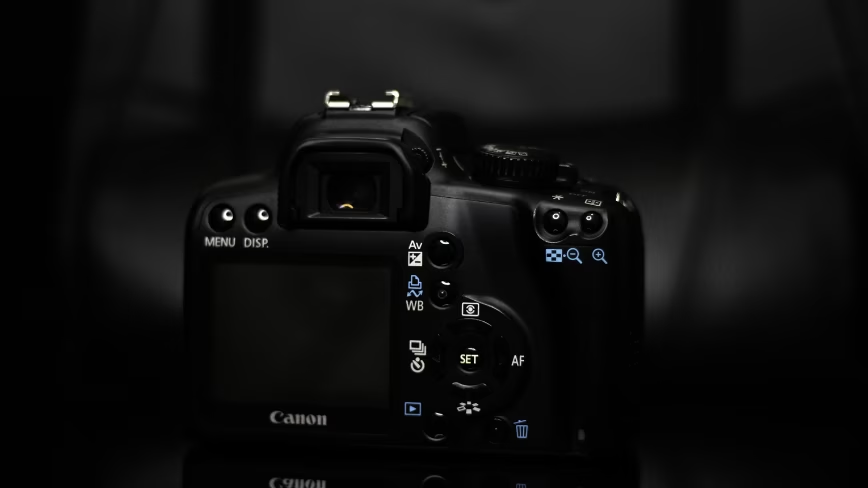
Canon has registered three unreleased digital cameras with wireless certification bodies, pointing toward a significant refresh of the company’s mid-range mirrorless lineup by the second half of 2026.
Wireless regulatory filings in major markets routinely precede commercial product launches by several months, offering the first concrete evidence of camera development cycles. According to industry trackers monitoring these databases, the new hardware registrations cover three distinct device identifiers.
For photographers and industry analysts, certification filings strip away the guesswork surrounding whether a manufacturer is actively developing new hardware. While regulatory documents do not specify sensor dimensions, megapixel counts, or body ergonomics, they confirm that wireless transmitters—such as Wi-Fi and Bluetooth modules—have reached advanced compliance testing phases. This logistical step confirms that engineering teams have moved past initial prototyping and are preparing mass-production units for global distribution.
Mid-Range Mirrorless Lineup Expansion
The anticipated refresh cycle addresses three distinct segments of the consumer and enthusiast market. The original EOS R8 established a lightweight, full-frame entry point for hybrid shooters, while the EOS R7 catered to wildlife and sports photographers requiring the extra reach of an APS-C sensor paired with robust mechanical performance. Meanwhile, the EOS R10 targeted budget-conscious creators seeking an accessible path into the RF lens ecosystem.
Canon’s upcoming releases, expected to materialize in late 2026, will likely incorporate next-generation image processing engines to maintain competitive parity against contemporary mirrorless offerings.
The Retro Design Speculation
The AE-1 revolutionized consumer photography by incorporating an early microcomputer, making advanced exposure control accessible to millions of hobbyists worldwide.
However, industry watchers emphasize that wireless certification filings do not explicitly confirm aesthetic details or product naming conventions. The connection between the newly registered hardware and a potential AE-1 digital homage remains rooted in unverified supply chain rumors and patent filings rather than official corporate disclosures.
Next Steps for Consumers
As regulatory agencies continue to process wireless compliance documents, official announcements from manufacturers typically follow a phased rollout schedule. Consumers tracking these developments can monitor official filings through global telecommunications databases and manufacturer press rooms as production schedules solidify.
What are your thoughts on a potential retro-styled digital camera from Canon? Share your perspective in the comments below.
Related reading