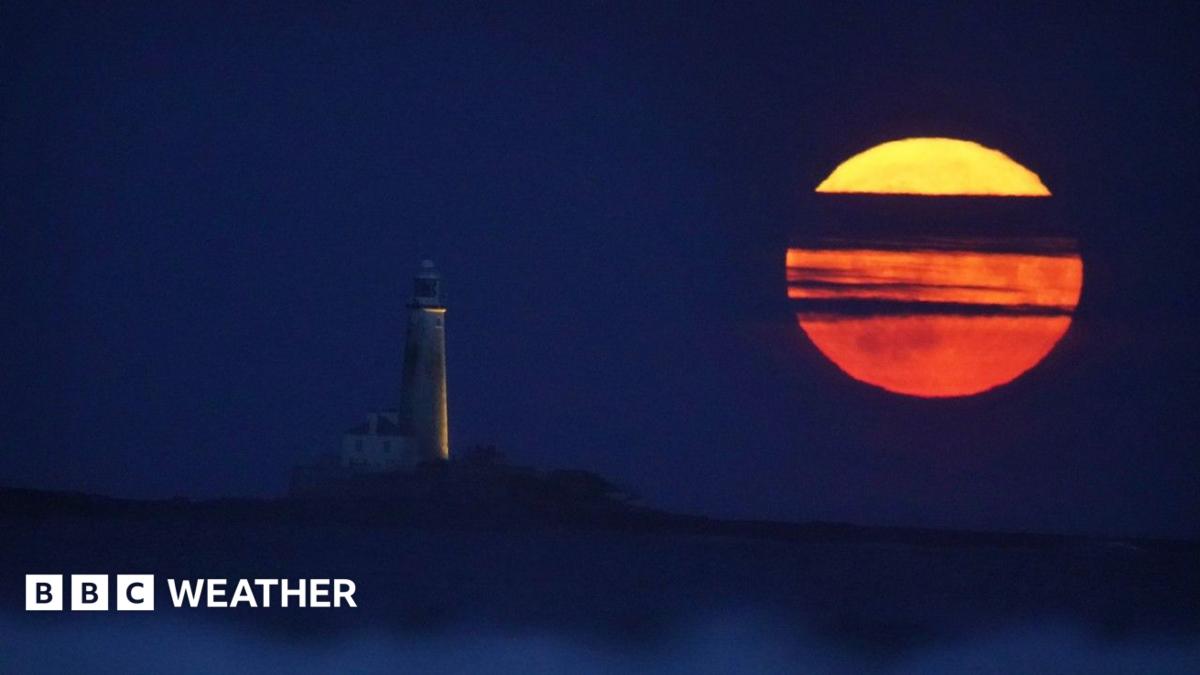
Skywatchers preparing for the July 29, 2026, full Buck Moon can expect peak illumination at 10:36 a.m. EDT. The lunar event coincides with the peak of the Southern Delta Aquariids and Alpha Capricornids meteor showers, offering a rare double celestial display during the summer observing window.
July 29, 2026, Full Moon Peak Illumination
Summer stargazers have a busy week ahead as the lunar calendar aligns with the active summer meteor season. The upcoming full moon, widely known as the Buck Moon, reaches its peak phase on July 29, 2026, at 10:36 a.m. ET. Because that peak occurs during daylight hours in the U.S., the best viewing opportunities will be during the evenings of July 28 and July 29. The July full moon occurs at 10:36 a.m. EDT (1436 GMT) on July 29, when the lunar disk appears fully lit as it shines opposite the sun in Earth’s sky.
Where and When to Catch the July 29 Moonrise

To get the best possible view of the Buck Moon, observers should look to the east at sunset on July 29 to catch the full Buck Moon as it climbs silently into the early summer sky, veiling the nearby stars of the constellation Capricornus behind the glare of its moonlight. You may notice the lunar disk appear particularly large in the hour following moonrise. This phenomenon is known as the “Moon Illusion”, wherein our brains trick us into thinking an object in the sky is bigger than it really is as it rests low on the horizon, with objects nearby to provide context.
UK Weather Forecast for July 29
Based on current forecast models, there is a good chance of seeing the Buck Moon across much of the UK on the night of 29 July – particularly in central, southern and eastern areas where skies are expected to remain largely clear. Northern and western parts of the UK may see a little more cloud at times, but widespread cloud or prolonged rain doesn’t look likely. Across England, the weather will remain settled with largely clear skies after dark. It will remain very mild overnight with light winds and only a little patchy cloud, so viewing conditions should be favourable. For Scotland, Wales and Northern Ireland, the weather is expected to be a little more mixed, with variable cloud, the odd shower and some clear spells. Scotland is likely to see the largest amount of cloud, especially in western areas. Eastern and northern districts will have better luck with clear spells between any showers.
Meteor Showers Compete With Moonlight on July 30
Southern Delta Aquariids and Alpha Capricornids Meteor Showers
The July buck moon coincides with the peak of the Alpha Carpicornids and the Southern Delta Aquariids meteor showers. The July buck moon reaches peak illumination on July 29, while the Southern Delta Aquariids and Alpha Capricornids are expected to be near their strongest around July 30, giving Americans a rare chance to enjoy both a full moon and a meteor shower during the same week. The highly anticipated Perseid meteor shower will also be active late in the month of July as it builds up to its peak in mid-August. July 2026 is set to be a bumper month for summer skywatchers, with a brilliant Venus continuing to shine in the west after sunset, a delicate crescent moon near Mars and the Pleiades before dawn, and the full Buck Moon rising later in the month. After a dark-sky window perfect for camping trips to see the Milky Way, mid-July also marks the beginning of meteor season, with the Perseids getting underway before the Delta Aquariids and Alpha Capricornids peak, albeit under bright moonlight.

Traditions and Cultural Names Behind the Buck Moon
Native American and Celtic Tradition
The July full moon is often called the “Buck Moon”, to reflect the time of the year when young male deer grow out their antlers in the northern hemisphere and is the first full moon of summer, occurring soon after the 2026 summer solstice. In July, the full moon is called the buck moon. It signifies the new antlers that emerge on a deer buck’s forehead around this time of year after they shed their previous pair, Farmers Almanac reports. The buck moon is also known as the raspberry moon,
“claiming moon,” “salmon moon,” “wyrt moon” and “herb moon,” among other names, according to Native American and Celtic tradition, according to TimeandDate.com.

Keep reading