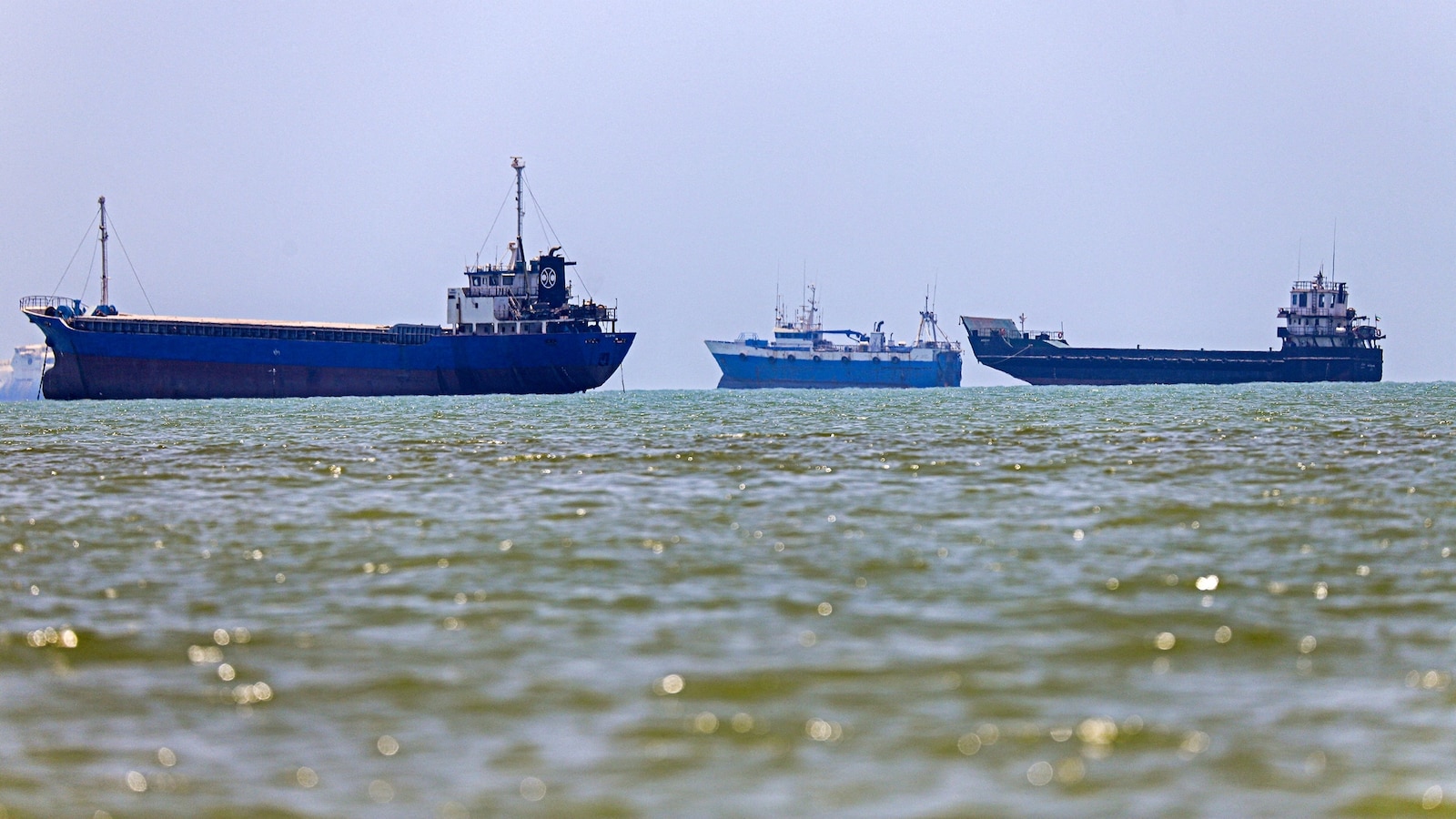
Maritime authorities, marine biologists, and environmental regulators are tracking a potential invasive species superspreader event near the Strait of Hormuz, where shifting ballast water management and heavy maritime traffic have heightened biosecurity concerns. The narrow waterway, which handles a significant portion of global petroleum transit, serves as a critical choke point where non-indigenous marine organisms can easily hitch rides in commercial vessel ballast tanks and attach to hulls, threatening fragile regional ecosystems.
According to international shipping registries and regional environmental assessments, the convergence of high-density supertanker movements and variable coastal temperatures creates an ideal environment for resilient marine species to establish footholds outside their native habitats. Biologists note that invasive organisms such as the striped eel catfish, green mussel, and various harmful algal blooms pose substantial risks to local fisheries and desalination plants operating along the Persian Gulf coastline.
Maritime traffic data compiled by Lloyd’s List Intelligence indicates that thousands of vessels transit the Strait of Hormuz annually, many discharging or taking on ballast water within localized ecological zones. Environmental agencies emphasize that improper ballast exchange or hull fouling in these warm, hypersaline waters can accelerate the spread of opportunistic aquatic nuisance species, bypassing natural geographic barriers that typically limit invasive species expansion.
Understanding Regional Biosecurity Pressures
The Strait of Hormuz connects the Persian Gulf to the Gulf of Oman and the Arabian Sea, functioning as a bustling marine highway subject to intense industrial pressures. Commercial ships operating in these waters routinely transfer millions of gallons of ballast water to maintain stability during transit. When vessels load ballast in one port and discharge it near regional terminals, they frequently transport microscopic larvae, crustaceans, and algae into new environments.
Regional authorities, including the Regional Organization for the Protection of the Marine Environment (ROPME), have long monitored the ecological stability of Gulf waters. Desalination infrastructure, which supplies drinking water to millions of residents across adjacent coastal nations, remains particularly vulnerable to biological fouling and toxic algal blooms brought on by invasive species introductions. Marine scientists point out that a single unmitigated discharge event from a transiting oil tanker or bulk carrier can trigger rapid population growth of foreign organisms before local predators can adapt.
Regulatory Frameworks and Compliance Challenges
International maritime regulations, specifically the International Maritime Organization’s Ballast Water Management Convention, require ships of a certain tonnage to treat ballast water before discharge to neutralize invasive organisms. However, enforcement across high-traffic geopolitical choke points remains logistically complex. Port state control officers inspect visiting vessels for valid ballast water management certificates and operational treatment systems, but verifying compliance for vessels merely transiting international waters without docking presents ongoing enforcement gaps.
Maritime lawyers and environmental compliance experts note that monitoring vessel hulls for macro-fouling—such as barnacles and invasive algae clinging to exterior surfaces—relies heavily on voluntary self-reporting and periodic underwater drone inspections. Shipping companies face strict penalties for illegal ballast discharges under regional marine pollution laws, yet identifying the precise source of an emerging biological invasion often proves difficult due to the multi-national flags and complex ownership structures typical of modern commercial fleets.
Mitigation Strategies and Monitoring Protocols
To counter potential biological incursions, marine research institutions in the region are expanding acoustic monitoring, environmental DNA (eDNA) sampling, and plankton surveillance programs near major shipping lanes. By analyzing water samples for genetic traces of non-native species, researchers can detect early warning signs of an introduction long before visible colonies form along coastal reefs or industrial intakes.
Port authorities advise vessel operators to conduct ballast water exchanges in deep oceanic waters well clear of shallow coastal shelves whenever operational safety permits, significantly reducing the survival rate of estuarine and coastal organisms in transit. Stakeholders across the maritime sector continue to coordinate with international bodies to harmonize reporting standards and improve real-time tracking of high-risk vessels entering the Gulf region.
Environmental regulators encourage commercial operators, shipping agents, and local stakeholders to consult official maritime safety circulars and port state control updates for the latest operational advisories regarding ballast management. Regular updates and compliance guidelines are published through the International Maritime Organization portal and regional maritime administration bulletins.
Related reading