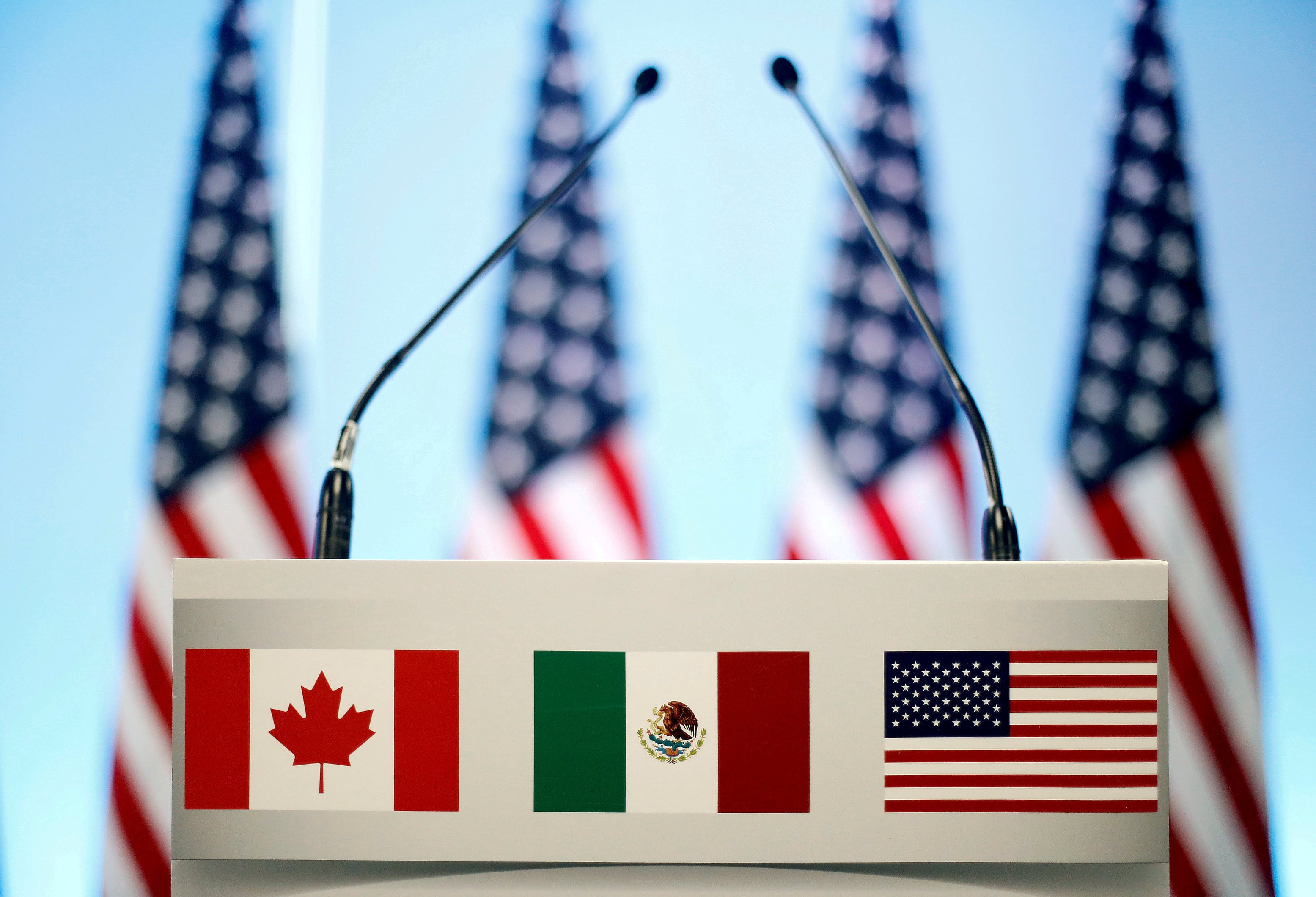
Economic sovereignty stands as a fundamental pillar in the ongoing modernization and renegotiation of the United States-Mexico-Canada Agreement (USMCA), according to academic analysis from the Universidad Autónoma Metropolitana. As North American trade partners prepare for upcoming review mechanisms, institutional voices from Mexico emphasize that preserving domestic control over core industrial and energy policies is essential to maintaining national stability and long-term economic independence.
The trilateral trade pact, which replaced NAFTA in July 2020, includes a joint review provision requiring the three member nations to evaluate the agreement’s functioning every six years. With the first major joint review scheduled for 2026, academic researchers and trade analysts are evaluating how domestic priorities align with international trade commitments. Securing national interests without violating international treaty obligations remains a central challenge for policymakers in Mexico City, Washington, and Ottawa.
According to assessments from academic specialists at the Universidad Autónoma Metropolitana, trade integration cannot come at the expense of domestic policy autonomy. The defense of national sovereignty in key sectors—particularly energy, agriculture, and manufacturing supply chains—serves as a primary negotiation baseline. Observers note that maintaining regulatory control allows governments to protect local labor markets and secure critical infrastructure against external market shocks.
The 2026 USMCA Review and Regional Supply Chains
The upcoming 2026 review cycle serves as the first formal stress test for the USMCA framework since its implementation. While the agreement successfully maintained regional commerce during periods of global supply chain disruption, persistent disputes over energy policy, automotive rules of origin, and labor enforcement continue to test trilateral cooperation. Mexican officials face the task of balancing open-market commitments with constitutional mandates regarding state participation in strategic industries.
Regional supply chain resilience has become a core objective for North American industrial policy. The COVID-19 pandemic and subsequent geopolitical tensions exposed vulnerabilities in trans-oceanic logistics, prompting renewed emphasis on nearshoring. However, analysts emphasize that nearshoring initiatives must benefit domestic industrial development rather than simply relocating foreign assembly plants. Protecting national economic sovereignty ensures that local economies retain the value added by advanced manufacturing and technological innovation.
Balancing International Commitments with National Priorities
Navigating the complex institutional architecture of the USMCA requires a delicate diplomatic and legal strategy. Trade agreements inherently limit certain forms of state intervention, creating potential friction with domestic development agendas. Legal scholars point out that dispute resolution panels established under Chapter 31 of the treaty provide the formal mechanism for adjudicating these conflicts, making rigorous legal preparation vital for all participating nations.
As preparations for the 2026 consultations advance, government agencies, industry groups, and academic institutions are expected to release comprehensive impact studies and policy recommendations. Stakeholders looking to monitor official updates, upcoming public consultation periods, and formal trade submissions can consult resources provided by the Secretaría de Economía in Mexico or the Office of the United States Trade Representative.
The official evaluation process will officially commence leading up to the 2026 milestone, during which the Free Trade Commission will meet to assess the operation of the agreement and consider any recommendations for amendment or continuation.
Related reading