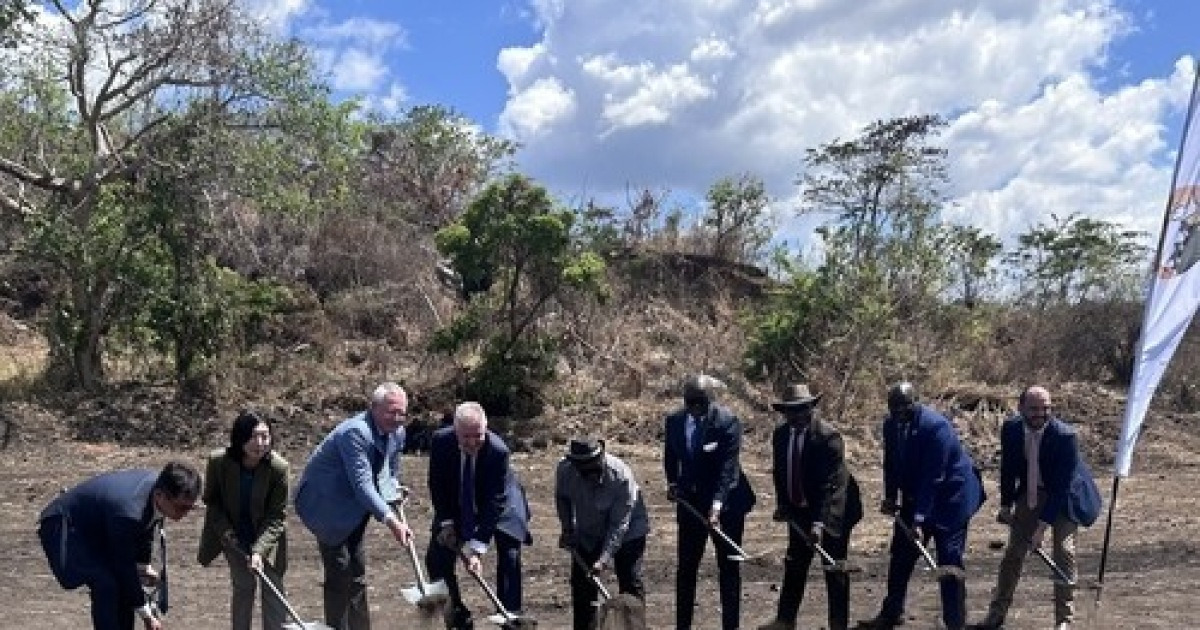
POSCO Targets Tanzania’s Mahenge Deposit
POSCO Holdings is moving to secure a major stake in the Mahenge graphite project in Tanzania, positioning South Korea to counter heavy reliance on Chinese supply chains for electric vehicle battery materials. The project ranks as the second-largest graphite deposit globally, according to industry assessments, giving the South Korean steel and materials giant a strategic foothold in natural flake graphite extraction.
China currently controls approximately 90% of global graphite processing and production, creating a severe supply bottleneck for international battery manufacturers. By expanding its footprint into East African mineral assets, POSCO aims to diversify raw material sources and insulate its burgeoning secondary battery supply chain from geopolitical trade vulnerabilities and export restrictions.
Natural graphite serves as an indispensable precursor material for the anodes used in lithium-ion batteries. As global demand for electric vehicles accelerates, securing independent, high-grade mineral reserves has transformed from a corporate supply strategy into a matter of national industrial security for South Korea and other major manufacturing economies.
High-Purity Reserves in the Ulanga District
Located in the Ulanga district of Tanzania, the Mahenge graphite deposit boasts massive reserves of high-purity flake graphite capable of meeting stringent specifications for lithium-ion battery anodes. Development of the mine represents a cornerstone of POSCO’s long-term strategy to establish an integrated value chain spanning from raw mineral extraction to refined anode production.
Industry analysts note that African mineral deposits are becoming focal points for global resource competition as Western nations and allied economies implement stricter domestic sourcing requirements. By backing large-scale extraction projects outside of traditional dominance zones, South Korean industrial planners seek to meet criteria set by international trade agreements while stabilizing input costs for domestic cell makers.
Transporting raw ore from remote inland Tanzanian sites to coastal export terminals requires substantial capital investment in regional logistics, power grids, and port facilities.
Breaking the Chinese Processing Near-Monopoly
For decades, processing capacity for battery-grade graphite has concentrated heavily inside Chinese industrial hubs. This near-monopoly allows producers in China to influence global pricing and control critical processing steps, including spherical purification and carbon coating.
POSCO’s investment strategy mirrors a broader global push by industrial conglomerates to build resilient, diversified supply networks. Governments across North America, Europe, and East Asia are offering financial incentives and trade partnerships to secure critical minerals independent of single-nation choke points.
Market observers emphasize that breaking reliance on concentrated processing requires simultaneous investments in refining facilities. Alongside mining ventures in Africa, South Korean firms are scaling up domestic and allied-nation processing plants to handle raw flake graphite and convert it into usable anode material.
Engineering Studies and Phased Construction Timeline
Project stakeholders continue to advance engineering studies, environmental assessments, and financing arrangements required to transition the Mahenge project into commercial production. Regulatory filings and joint venture updates released through official corporate channels outline a phased construction timeline designed to bring initial output online as global battery demand scales upward.
Industry participants and market analysts are monitoring upcoming corporate disclosures and Tanzanian regulatory approvals for definitive timelines on construction milestones and initial extraction schedules. Readers seeking further documentation can review official investor relations reports and regulatory filings issued by POSCO Holdings.
What are your thoughts on how global automakers can best secure critical battery minerals? Join the conversation by leaving a comment below and sharing this report.
Keep reading