Global crude oil benchmarks experienced sharp volatility this week as geopolitical tensions surrounding the Strait of Hormuz escalated, driven by statements from former U.S. President Donald Trump regarding the vital shipping lane. Brent crude briefly surged past $101 per barrel before retreating to $95.56 as traders locked in profits amid shifting market sentiment, according to market data reported by international financial news agencies.
The swift price movements highlight the fragility of maritime trade corridors in the Middle East, where a significant portion of the world’s petroleum supply travels daily. Energy analysts and market participants are closely monitoring political rhetoric and military posture in the region, weighing the risks of potential supply disruptions against current global demand forecasts.
As governments and energy firms assess the implications of the heightened standoff, trading desks remain on high alert for further developments. The intersection of U.S. foreign policy declarations and critical commodity infrastructure continues to dictate immediate direction across global financial markets.
Strait of Hormuz Tensions Drive Crude Market Volatility
The recent price spike above $101 a barrel underscored how quickly energy markets react to threats against maritime transit through the Strait of Hormuz. International shipping data shows that roughly a fifth of the world’s petroleum passes through the narrow waterway, making any political escalation a primary driver of supply anxiety.
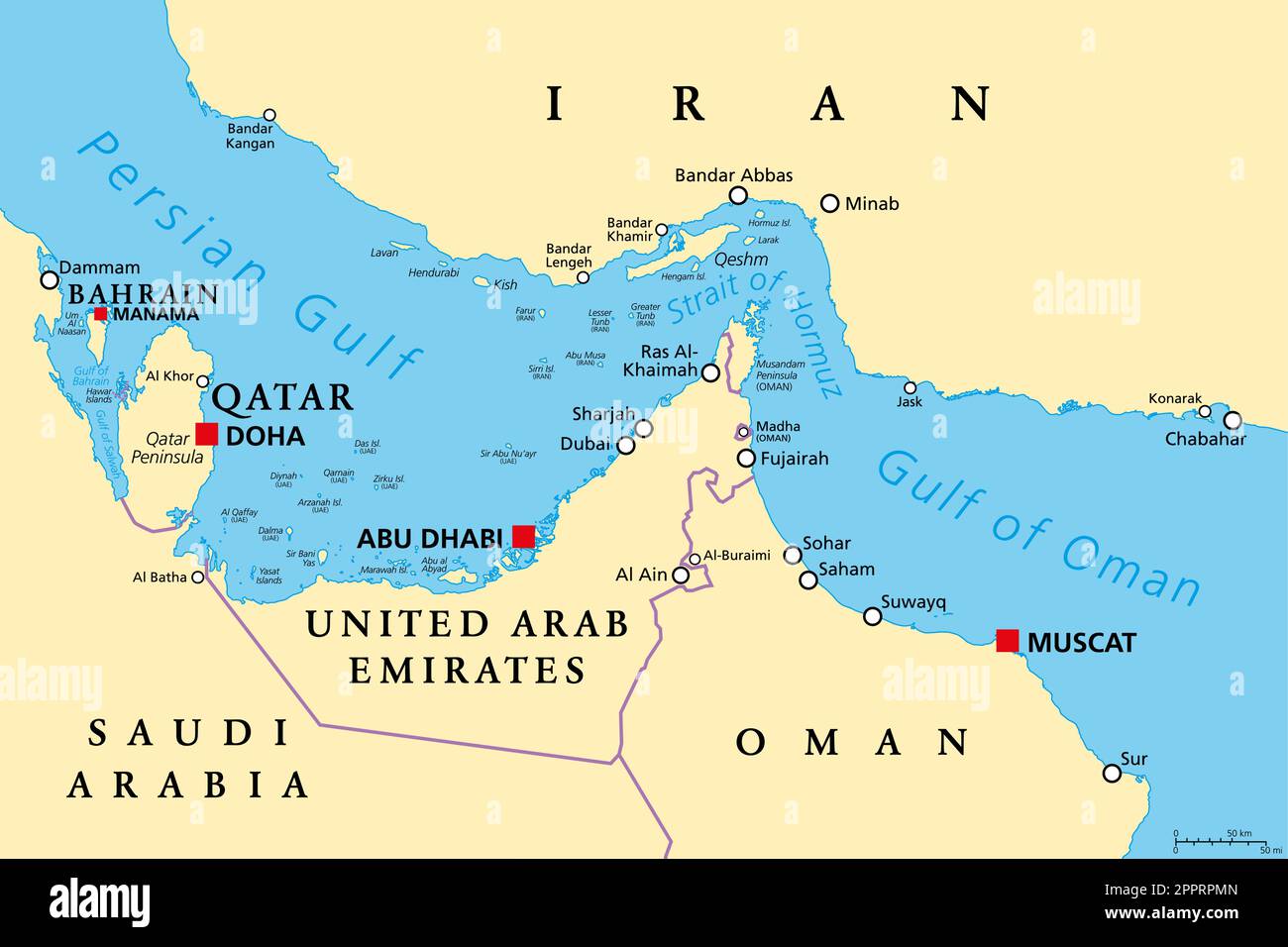
According to market reports from Reuters and Bloomberg, the initial upward pressure eased as profit-taking set in, bringing Brent crude down to $95.56 per barrel. Traders balanced immediate geopolitical risk premiums against broader macroeconomic indicators, including slowing industrial demand in major economies and ongoing production adjustments by OPEC+ member states.
Energy strategists note that physical supply chains have not yet faced direct disruptions, keeping extreme price spikes from sustaining their momentum. However, the sensitivity of the market ensures that any new security incidents or official policy announcements trigger immediate repricing across futures contracts.
Economic Impact and Global Stakeholder Reactions
The turbulence in oil markets carries direct consequences for energy-importing nations, industrial manufacturers, and transportation sectors worldwide. Higher crude prices quickly translate into elevated costs at fuel pumps and increased operational expenses for airlines, shipping companies, and freight operators.
Central banks monitoring inflationary pressures view sudden commodity spikes with caution, as persistent energy cost increases can complicate monetary policy decisions. Financial institutions in London and New York have updated their quarterly commodity forecasts to account for heightened geopolitical risk premiums tied specifically to Middle Eastern shipping lanes.
Industry associations representing commercial carriers have reiterated calls for open maritime routes and diplomatic stability to protect global supply chains. Corporate treasuries are simultaneously reviewing hedging strategies to manage potential price volatility through the remainder of the fiscal quarter.
Next Steps and Market Monitoring
Market participants are awaiting official updates from maritime security agencies, port authorities, and energy ministries regarding transit safety in the Persian Gulf. Scheduled meetings of international energy organizations and upcoming economic data releases from the U.S. Energy Information Administration will provide further clarity on inventory levels and production trends.
Readers and industry professionals seeking verified updates can consult official monitoring portals such as the International Energy Agency at IEA Reports or track real-time commodity pricing via established financial exchanges. Share your thoughts on how these developments might influence your sector in the comments below.
Related reading