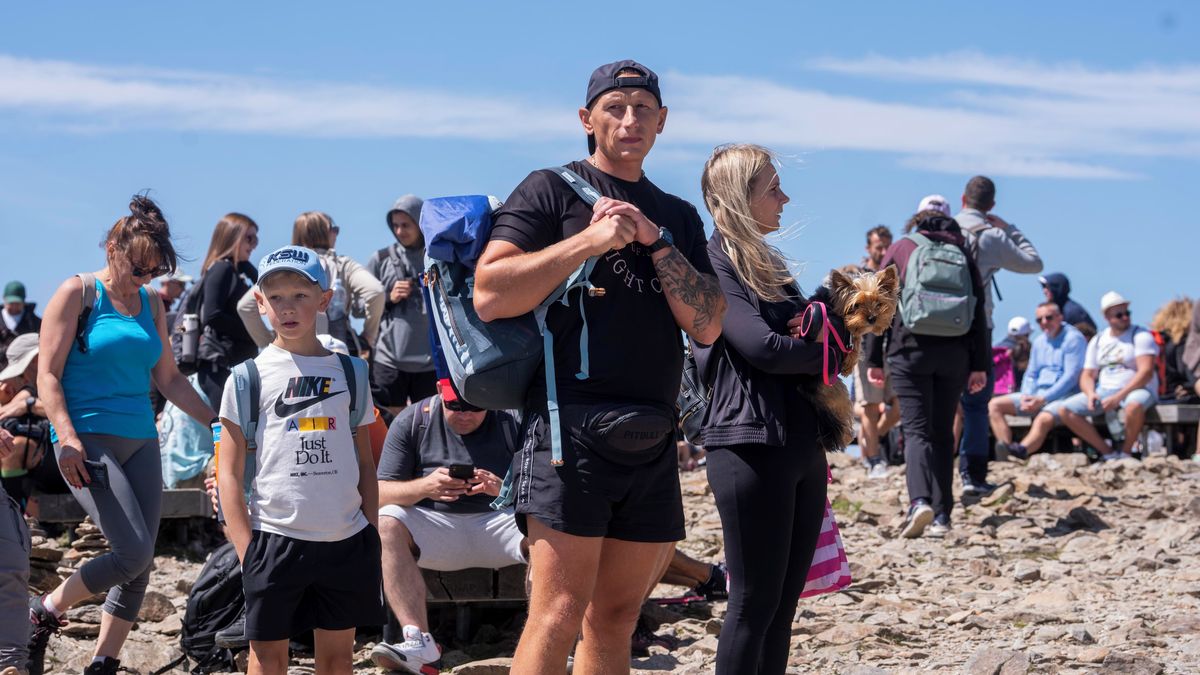
The summit of Sněžka, the highest peak in the Czech Republic, experiences severe overcrowding during weekend periods, drawing large numbers of hikers and tourists to the fragile alpine ecosystem. According to reports from regional media and conservation authorities, the massive influx of visitors creates significant bottlenecks along the mountain trails and strains local infrastructure in the Krkonoše (Giant Mountains) region.
Situated on the border between the Czech Republic and Poland, the 1,603-meter peak attracts thousands of outdoor enthusiasts each weekend when weather conditions permit. Park officials and rescue services frequently monitor the heavy congestion, particularly around the final ascent paths and the summit plateau where space is extremely limited. The intense weekend peaks highlight ongoing challenges in managing visitor capacity in Central Europe’s protected mountain reserves.
Managing the weekend crowds requires close coordination between the Krkonoše Mountains National Park (KRNAP) administration, local municipalities, and mountain rescue teams. Conservationists note that heavy foot traffic outside designated paths contributes to soil erosion and damages rare Arctic-alpine tundra vegetation that survives in the harsh summit climate. Visitors planning a weekend trip are routinely advised by regional authorities to check current weather warnings, monitor cable car operations, and utilize public transport options to ease congestion around Pec pod Sněžkou.
Infrastructure Strain and Visitor Management on the Highest Peak
The dual appeal of the historic stone-built Polish meteorological observatory, the Czech post office building, and panoramic views across Central Europe drives high foot traffic to Sněžka every weekend. Visitors can ascend the mountain via a bi-cable aerial lift operating from Pec pod Sněžkou or choose from several hiking trails of varying difficulty. On peak days, queues for the cable car can stretch for hours, prompting many travelers to switch to walking routes.
Park rangers and local police frequently patrol the area to prevent tourists from stepping off marked paths onto protected meadows. Environmental regulations in KRNAP strictly prohibit moving outside designated corridors to protect endangered plant species unique to the summit’s harsh environment. Authorities emphasize that compliance with park rules remains essential as visitor numbers continue to rise year-on-year during the summer and autumn hiking seasons.
Practical Guidance for Weekend Travelers
Travelers heading to the region can minimize delays by starting their journeys early in the morning or opting for weekday visits when trail congestion decreases significantly. Official updates regarding trail conditions, wind speeds affecting the operation of the Sněžka cable car, and parking availability in Pec pod Sněžkou are regularly published by the Krkonoše Mountains National Park administration and local municipal websites.
Rescue teams operating in the area remind hikers to carry adequate gear, including sturdy footwear, windproof clothing, and sufficient water, as weather conditions on the summit can change rapidly regardless of conditions in the valleys below. Visitors seeking real-time updates on queue times and operational status can consult local tourism portals before beginning their ascent.
Related reading