President Donald Trump is aggressively promoting an expansion of nuclear energy infrastructure across the United States alongside international atomic agreements, including a high-stakes potential civil nuclear deal with Saudi Arabia, according to federal energy policy announcements and diplomatic briefings. While the administration frames the push as a cornerstone for domestic energy independence and technological dominance, public records and financial disclosures indicate that members of Trump’s family and close political supporters maintain overlapping business and investment ties that could position them to benefit financially from the resulting market shifts.
The intersection of the administration’s renewed atomic agenda and private commercial interests has drawn scrutiny from government ethics watchdogs and energy analysts. According to disclosures reviewed by federal ethics officials, overlapping commercial networks span real estate ventures, private equity initiatives, and technology partnerships in the Middle East, raising complex questions about potential conflicts of interest as multi-billion-dollar energy pacts take shape.
Domestic Nuclear Expansion and Regulatory Shifts
The White House has prioritized cutting regulatory hurdles for commercial reactors, aiming to revitalize a domestic nuclear sector that has faced economic stagnation for decades. According to the U.S. Energy Information Administration (EIA), nuclear power currently supplies roughly 18 percent to 20 percent of America’s electricity, but aging infrastructure and high construction costs have constrained growth. To counter these trends, administration officials have pressed the Nuclear Regulatory Commission (NRC) to streamline licensing processes for advanced small modular reactors (SMRs).
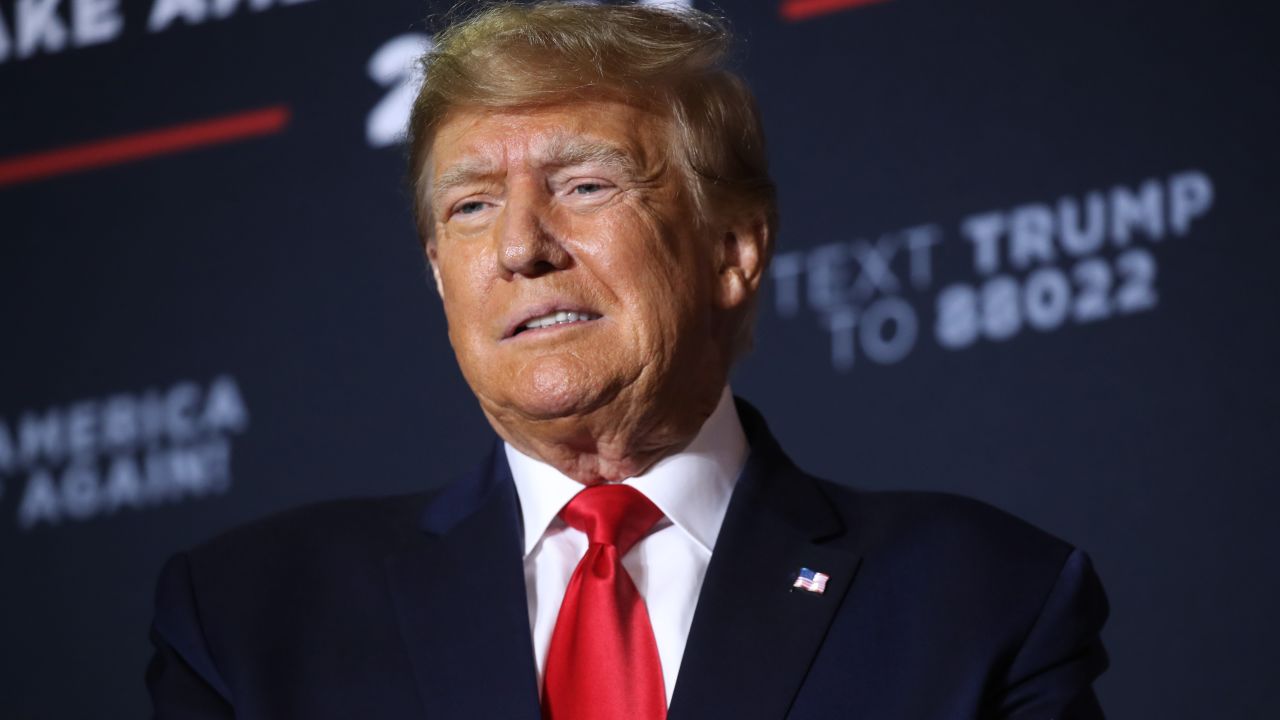
These policy changes are designed to accelerate deployment timelines for private energy firms and technology companies scrambling to secure reliable, carbon-free power for energy-intensive artificial intelligence data centers. Several prominent venture capitalists and technology executives who supported Trump’s presidential campaign have invested heavily in next-generation reactor startups. While these investors operate within legal frameworks governing federal lobbying and campaign contributions, energy market analysts note that expedited federal approvals directly enhance the valuation of their private portfolios.
The Saudi Nuclear Framework and Regional Stakes
Internationally, the administration’s push includes reviving discussions for a civil nuclear cooperation agreement with Saudi Arabia. Under federal law, specifically Section 123 of the Atomic Energy Act, any transfer of U.S. nuclear technology or material abroad requires a formal bilateral agreement to ensure non-proliferation standards are met, as outlined by the Department of State (State Department).
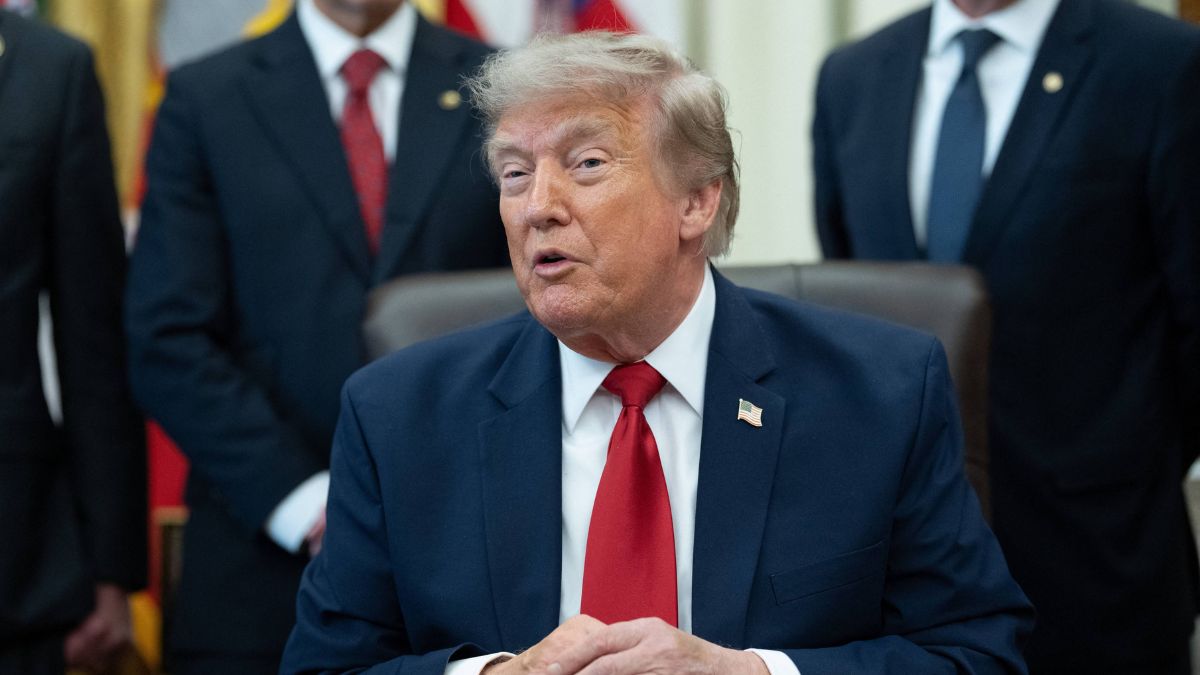
Saudi Arabia has long pursued domestic nuclear capabilities to diversify its energy grid away from domestic oil consumption, aiming to free up petroleum for lucrative export markets. Previous diplomatic talks stalled over Washington’s insistence on strict non-proliferation safeguards, which Riyadh initially viewed as overly restrictive compared to offers from international competitors like Russia and China. Renewed negotiations under the current administration involve private-sector defense contractors, financial institutions, and advisory firms with historical ties to Trump administration officials and family members.
According to corporate filings tracked by financial regulators, several private equity funds with direct connections to former administration officials have expanded their footprint in the Gulf region. Although these firms maintain that their commercial activities comply fully with international trade laws and federal disclosure requirements, transparency advocates argue that the blurring lines between U.S. foreign policy and private investment create an appearance of preferential access.
Stakeholder Reactions and Congressional Oversight
Lawmakers on Capitol Hill are divided over the dual-track strategy of accelerating domestic atomic energy while pursuing complex Middle Eastern pacts. Proponents in Congress argue that American leadership in nuclear technology is vital for national security and geopolitical leverage. Conversely, congressional oversight committees have signaled plans to review the financial transparency of entities involved in international energy negotiations.
Energy policy researchers emphasize that while direct quid pro quo arrangements are difficult to prove without explicit documentation, the structural alignment between presidential policy priorities and the private investments of close allies warrants rigorous oversight. The public comment period for proposed regulatory changes at the NRC remains open, offering a venue for industry stakeholders, environmental organizations, and public watchdogs to submit formal testimony.
The next formal oversight hearing regarding international civil nuclear agreements is scheduled before the Senate Foreign Relations Committee, where administration officials are expected to testify on non-proliferation safeguards and commercial compliance measures. Readers can track official federal dockets, regulatory filings, and congressional hearing schedules through the official government portal at Congress.gov.