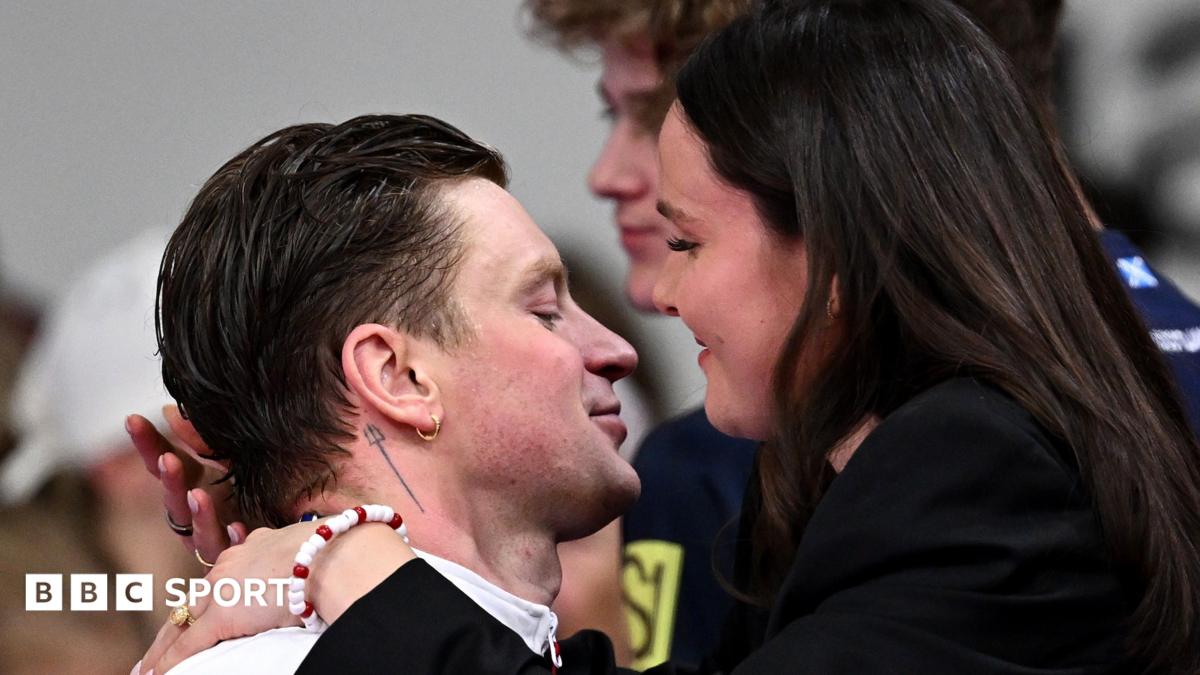
Adam Peaty stood on the deck in Glasgow following a compelling breaststroke final at the Commonwealth Games, visibly emotional and fighting back tears as he faced questions about the trajectory of his illustrious career. The British swimming icon, whose dominance in the pool has spanned multiple Olympic cycles, candidly addressed reporters about the realities of aging in elite sport and the heavy emotional toll of falling short of the gold medal. According to post-race interviews broadcast by major sports networks, the champion admitted that the physical and mental demands of competing at the highest level are forcing him to reevaluate his future in competitive swimming.
The race itself underscored the fierce, shifting landscape of international swimming, where younger challengers continue to push established veterans to their absolute limits. Peaty, a multiple Olympic gold medalist and world record holder, has long been the benchmark for men’s breaststroke. Yet, missing out on the top step of the podium in Glasgow sparked a raw, unfiltered response from the athlete. Rather than offering standard post-race platitudes, he reflected on the sacrifices required to maintain elite status and questioned aloud how much longer he can sustain the punishing training regime necessary to contend for major international titles.
For sports fans and analysts tracking the twilight of a legendary career, Peaty’s candid admissions highlight a familiar narrative in high-performance athletics: the difficult transition when an absolute titan confronts the reality of generational shift. While the swimmer stopped short of announcing an immediate retirement, his emotional post-race reflections signal that his competitive timeline is entering a critical juncture. Observers note that athletes of his caliber judge their success strictly by gold standards, making silver or bronze finishes catalysts for deep introspection about their remaining tenure in the sport.
The Realities of Elite Longevity in Competitive Swimming
Maintaining peak physical condition in sprint breaststroke requires an extraordinary commitment to biomechanical precision and grueling training blocks. Peaty has spent over a decade at the apex of world swimming, navigating injuries, mental health breaks, and the relentless pressure of public expectation. Sports scientists note that maintaining fast-twitch muscle responsiveness and explosive power becomes increasingly complex as athletes move past their mid-twenties, turning every tenths-of-a-second deficit into a monumental hurdle during international finals.
The atmosphere at the Commonwealth Games provided a unique stage for these reflections. Unlike the hyper-focused environment of the World Championships or the Olympic Games, the Commonwealth event often captures athletes at pivotal moments of career transition. Peaty’s honest appraisal of his performance resonated across the sporting community, illustrating that even the most decorated competitors wrestle with vulnerability. According to race analysis from sports journalists on the ground, the defeat was not merely about a missed medal, but about the realization that the physical gap between himself and the rising generation of sprint breaststrokers is narrowing.
What Lies Ahead for British Swimming’s Benchmark
As the dust settles on the Glasgow meet, the immediate focus turns to how governing bodies and coaching staff will support veteran athletes planning their next moves. British Swimming faces a delicate balancing act: honoring the legacy of a generational competitor while fostering the development of younger talent eager to claim international berths. Peaty indicated that he intends to take time away from the competitive blocks to process the emotional and physical toll of the season before making any definitive pronouncements regarding his long-term athletic future.
The next major milestones on the international calendar will provide a clearer picture of whether the breaststroke great decides to target future continental championships or step away from elite competition entirely. Until official announcements are made regarding training schedules or upcoming selection trials, the swimming world is left to appreciate a rare moment of vulnerability from an athlete who has defined an era of the sport. Stakeholders and fans awaiting further updates can monitor official announcements through British Swimming for verified timelines on upcoming national squads and competitive entries.
Worth a look