/https://cms-media.stroeermb.de/c3/a2/c1/df219a58f6c94d750709386082_A2MyZDE1NjQ1MDg4.png)
German comedy history reached a massive television milestone when the landmark film Fack ju Göhte drew millions of viewers to living room screens across the country, cementing its status as a modern pop-culture phenomenon. Directed by Bora Dagtekin and released by Constantin Film, the runaway theatrical hit continues to pull staggering ratings whenever it lands in prime-time television slots. According to audience data reported by industry platforms like Fernsehserien, the franchise launched a new era for contemporary German cinema by blending sharp schoolyard humor with unexpected heart.
For global audiences and film historians examining modern box office records, the movie represents a unique study in how local comedies can capture the zeitgeist. Star-studded casts led by Elyas M’Barek and Karoline Herfurth transformed a simple premise about a bank robber posing as a substitute teacher into an enduring cultural touchstone. Media analysts tracking television broadcast metrics note that the film’s enduring appeal stems from tight pacing and quotable dialogue that translates well across repeat viewings.
Behind the massive viewing figures lies a carefully structured production history that reshaped the German studio landscape during the 2010s. Constantin Film developed the project with a clear eye toward younger demographics who rarely patronized traditional domestic cinema. That strategic shift paid off immediately upon theatrical release, paving the way for multiple sequels and cementing a dominant presence in European home-entertainment charts.
Box Office Dominance and Cultural Impact
When Fack ju Göhte originally premiered in cinemas, it shattered multiple domestic distribution records held by long-standing German box office champions. According to box office trackers at Blickpunkt:Film, the feature ultimately drew roughly 12 million moviegoers to theaters during its initial run, an extraordinarily high threshold for a non-Hollywood production in the German-speaking market. Industry trade publications frequently cite the film as the benchmark against which contemporary German comedies are measured.
The narrative follows Zeki Müller, an ex-convict played by Elyas M’Barek, who stumbles into a job at a chaotic comprehensive school while trying to retrieve buried loot hidden beneath the gymnasium. Director Bora Dagtekin utilized fast-paced editing and an ensemble of talented young actors to keep the energy high. Media researchers at the Filmförderungsanstalt (FFA) have documented how comedies of this scale successfully brought teenagers and young adults back into local theaters, temporarily reversing years of declining domestic market share.
Critics initially debated the film’s edgy, slang-heavy humor, but audiences voted decisively with their ticket purchases. The contrast between gritty criminal life and over-the-stuffed-schedule school administration provided endless comedic friction. Educational experts quoted in cultural retrospectives noted that while the school environment was heavily exaggerated, it tapped into real anxieties about modern youth culture and the education system.
Television Longevity and Broadcaster Strategy
The transition from theatrical powerhouse to television staple has proven equally lucrative for broadcasters looking to secure reliable weekend ratings. Major networks routinely schedule the film during peak holiday seasons or high-competition TV windows, consistently outperforming standard programming averages. Television ratings analysts at DWDL.de regularly highlight these broadcast windows as prime examples of free-TV longevity in an era dominated by subscription streaming services.
Broadcasting rights for the film package have changed hands multiple times since its theatrical premiere, reflecting its high commercial value. Advertisers view the property as an ideal vehicle for reaching demographic groups that traditional linear television struggles to capture. Media buyers point out that repeat broadcasts retain high audience retention rates, proving that the humor holds up even years after its initial theatrical run.
The ongoing broadcast success also drives traffic to digital libraries operated by Constantin Film and partner streaming platforms. Viewers who catch fragments of the broadcast on television frequently migrate to on-demand services to watch the entire trilogy. This symbiotic relationship between linear television and digital streaming ensures that the franchise remains profitable and culturally relevant across multiple generations of media consumers.
The Franchise Legacy and Future Outlook
The enduring success of the original film birthed two sequels—Fack ju Göhte 2 and Fack ju Göhte 3—each matching or exceeding various box office milestones before the franchise concluded its theatrical journey. Creator Bora Dagtekin later expanded the universe into musical adaptations and international format considerations, demonstrating the adaptability of the core concept. Entertainment analysts tracking European IP development note that rare breakout hits of this magnitude establish a sustainable blueprint for local studio profitability.
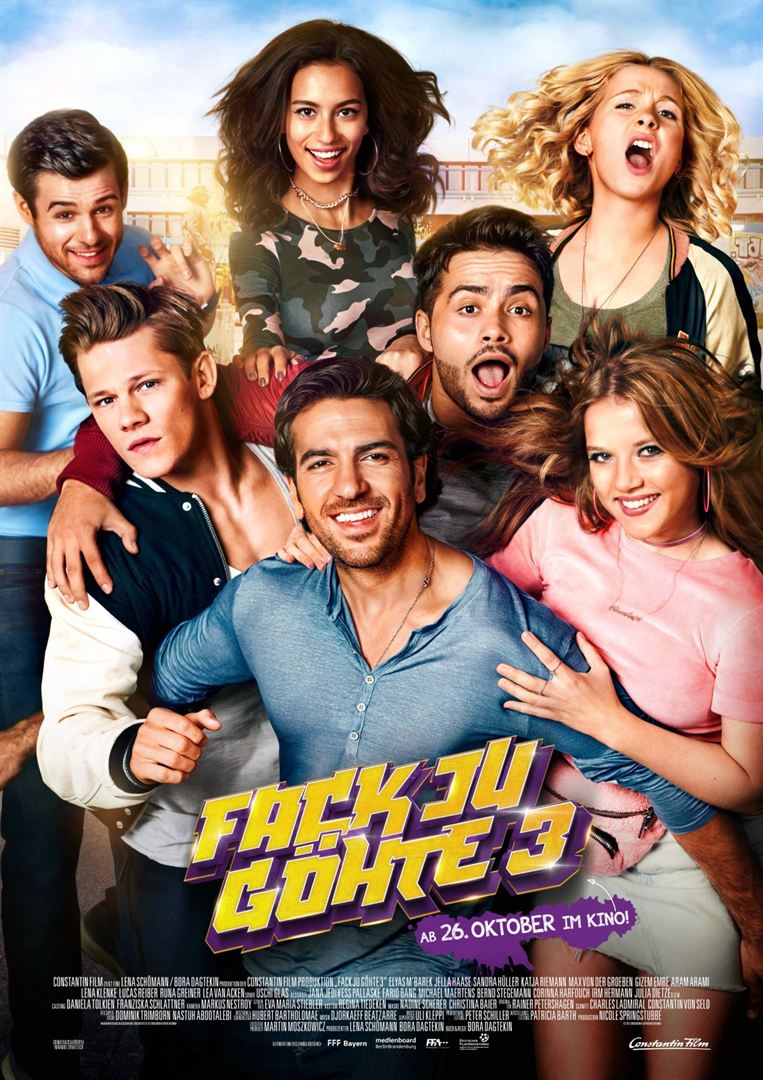
As television programmers continue to slot the movie into high-profile evening schedules, public interest shows no sign of meaningful decline. Fans regularly organize community rewatch events across social media channels whenever a major broadcast is announced. Broadcasters and licensing executives are expected to maintain the film in rotation for the foreseeable future, securing its place in television history as one of the most reliable ratings drivers of the modern era.
Keep reading
- Big PlayStation Game Sale Is A Perfect Chance To Build Up Your Physical Collection Before Sony Kills Discs
- De “Disco Elysium” à “Zero parades” : un studio de jeu vidéo anticapitaliste comme ZA/UM …
- Harry Wilson Makes Leeds United Debut in Pre-Season Loss to Wrexham (time.news)
- Why Your Movie's Showtime Isn't When It Starts (daybreakwire.com)