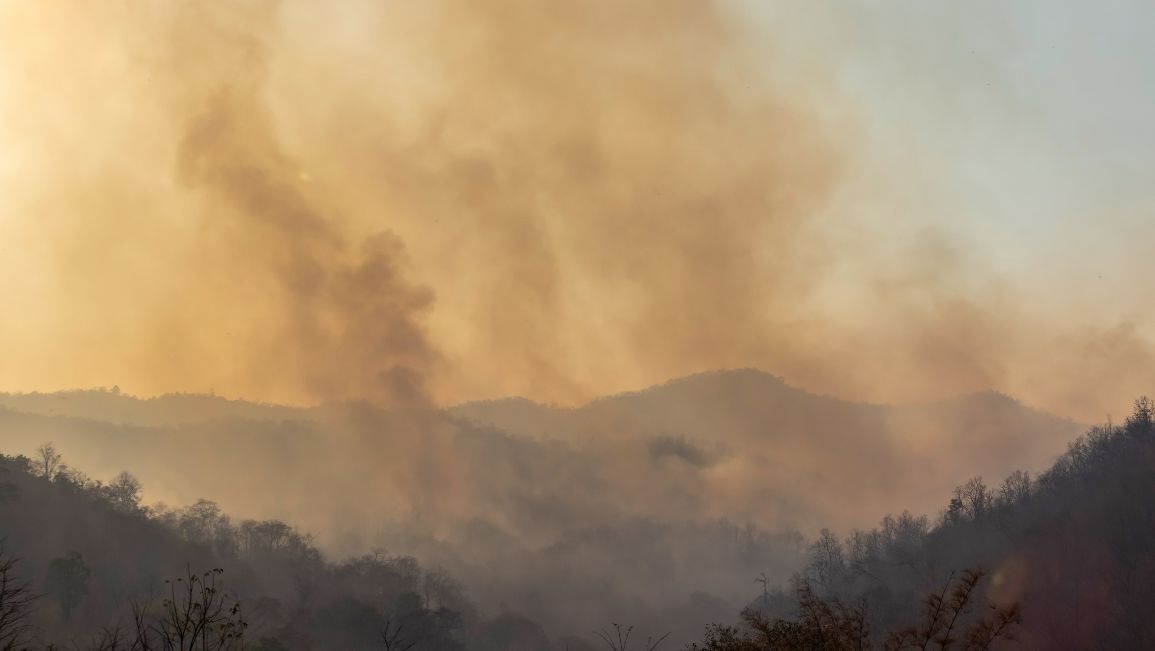
The Official College of Pharmacists of Madrid (COFM) has maintained a coordinated pharmaceutical care network across municipal zones affected by regional forest fires, according to institutional updates. Local health authorities and community pharmacies have synchronized their distribution channels to ensure continuous access to essential medications, chronic disease treatments, and respiratory protection supplies for displaced residents and emergency responders.
As active wildfire incidents continue to challenge emergency services across parts of the Madrid region, the intersection of public safety and primary healthcare has required immediate administrative alignment. According to the Comunidad de Madrid, local municipal health centers and regional pharmacy boards established protocols during the initial flare-ups to triage medical inquiries, manage prescription refills for evacuees who left without their medications, and distribute protective health advisories regarding smoke inhalation.
Dr. Helena Fischer, Editor of the Health section at World Today Journal, brings an extensive background in medical journalism and internal medicine from her medical training at Charité – Universitätsmedizin Berlin to examine how regional health networks respond to environmental crises. When natural disasters disrupt municipal infrastructure, community-level pharmacy networks frequently serve as the most accessible frontline healthcare access point for affected populations.
Coordinating Pharmaceutical Supply Chains During Evacuations
Maintaining continuity of care during a wildfire emergency involves securing supply lines for maintenance medications, insulin, inhalers, and acute treatments. According to regional health statements, the COFM has worked alongside the Madrid regional government to track pharmacy inventory levels in zones adjacent to active fire perimeters, redirecting shipments where necessary to accommodate displaced patients.
For individuals forced to leave their homes on short notice, obtaining emergency prescription refills can present a significant logistical barrier. Community pharmacies operating within the regional health system have utilized electronic health records to verify patient prescriptions without physical paperwork, enabling pharmacists to dispense critical supplies safely under emergency decrees.
Furthermore, public health officials have emphasized the importance of monitoring indoor and outdoor air quality in affected municipalities. Pharmacies participating in the coordinated response have served as distribution points for public health guidelines, advising vulnerable groups—such as elderly residents and individuals with pre-existing chronic respiratory conditions—on how to minimize particulate exposure.
The Role of Community Pharmacies in Environmental Health Crises
Environmental health emergencies test the resilience of decentralized healthcare networks. Unlike centralized hospitals, which focus on acute trauma and severe injuries, community pharmacies are embedded directly within neighborhoods, making them uniquely positioned to handle lower-acuity needs, medication access issues, and preventative health counseling during crises.
According to updates from the Colegio Oficial de Farmacéuticos de Madrid, pharmacists have also coordinated with municipal emergency coordination centers to handle inquiries regarding smoke-related symptoms, eye irritation, and acute exacerbations of asthma or chronic obstructive pulmonary disease (COPD). This localized triage helps prevent emergency rooms from becoming overwhelmed with non-life-threatening conditions.
Public health experts note that integrating community pharmacies into disaster response frameworks reduces administrative friction during evacuations. By granting pharmacists provisional authority to dispense emergency supplies under strict clinical guidelines, regional authorities maintain therapeutic compliance for patients whose regular treatment schedules might otherwise be interrupted.
Next Steps and Official Monitoring
Regional authorities and pharmacy representatives will continue to monitor air quality indices and containment progress across affected municipal districts. Patients requiring emergency prescription assistance or information on open pharmacy locations in affected zones are advised to consult official updates published through the Madrid regional government portal or contact local municipal health offices directly.
We welcome your questions and perspectives on public health emergency preparedness. Please share your thoughts or join the discussion in the comments below.
Related reading