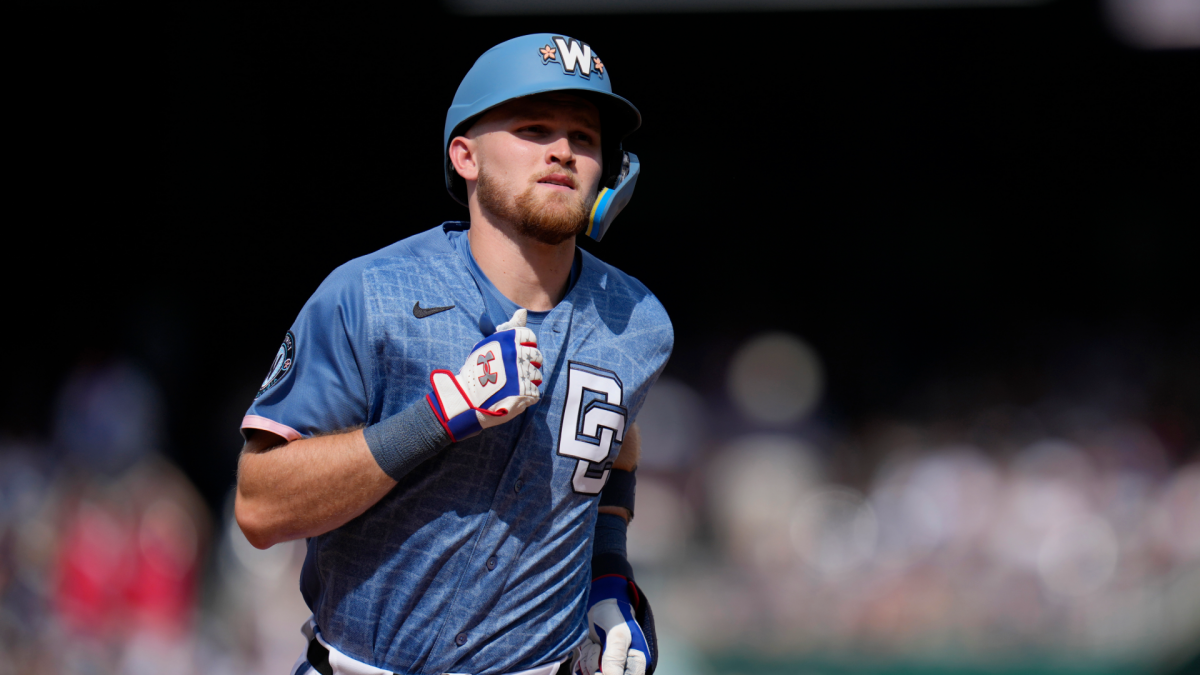
The 2026 Major League Baseball trade deadline is officially set for Monday, Aug. 3, according to league schedules and calendar configurations. Front offices across both the American and National Leagues face a compressed final stretch to finalize rosters, balance luxury tax thresholds, and weigh short-term contention against long-term farm system depth. Historically, the summer trading window prompts heightened activity in the final 48 hours, and evaluators across the industry anticipate negotiations to extend right down to the final minute.
As clubs evaluate their postseason odds, general managers must navigate an increasingly competitive market driven by expanded playoff formats. With extra postseason berths available in each league, borderline contenders often delay selling off expiring contracts until the absolute deadline approaches. This dynamic frequently compresses the market, creating a high-pressure environment where major blockbusters materialize in the final hours before the deadline buzzer.
For fans, executives, and analysts tracking every transaction, understanding the mechanics of the deadline requires monitoring both the official Major League Baseball transaction wire and club-issued roster moves. Teams operating under strict financial parameters must balance payroll allocations while pursuing the specific positional upgrades needed for a pennant chase. The coming weeks will test the resolve of front offices as they weigh the cost of acquiring impact talent against the value of retaining elite minor-league prospects.
Navigating the 2026 MLB Trade Market Dynamics
The weeks leading up to the Aug. 3 deadline typically see scouts and front-office personnel intensifying their evaluations of minor-league talent across Triple-A and Double-A affiliates. According to historical transaction patterns tracked by baseball operations analysts, selling teams leverage the scarcity of frontline starting pitching and right-handed power bats to command premium returns. Contenders, meanwhile, must decide whether parting with top-tier prospects aligns with their competitive window.
Luxury tax thresholds also play a critical role in shaping deadline activity. Clubs near or exceeding the threshold must calculate the financial penalties associated with crossing specific tiers, which can restrict their flexibility when absorbing player salaries. Conversely, rebuilding franchises use their financial flexibility to take on unwanted contracts in exchange for valuable minor-league depth, reshaping their organizational trajectory for future seasons.
Key Stakeholders and Contender Strategy
Front offices on both sides of the ledger approach the final days of July with distinct strategic directives. Division leaders and wild-card contenders focus heavily on bolstering bullpen depth, securing reliable rotation arms, and adding versatile bench pieces capable of handling high-leverage October situations. Injuries to key personnel often force executives to pivot rapidly from passive observers to aggressive buyers, driving up the price for available assets.
On the other side, selling organizations evaluate player contracts to maximize return on investment before impending free agency. Players on expiring contracts generate the most immediate interest, while controllable assets under club control for multiple seasons command the highest prospect havens. The challenge for selling executives lies in timing the market precisely to avoid holding assets past their peak value.
Next Steps and Official Updates
The definitive source for all official roster transactions, player movement, and waiver claims remains the official Major League Baseball transactions wire hosted on MLB.com. Fans and media members can monitor real-time updates as clubs submit trades to the Commissioner’s Office ahead of the Monday, Aug. 3 cutoff.
What are your expectations for your favorite team as the deadline approaches? Join the conversation below and share your analysis of who your club should target.
Worth a look