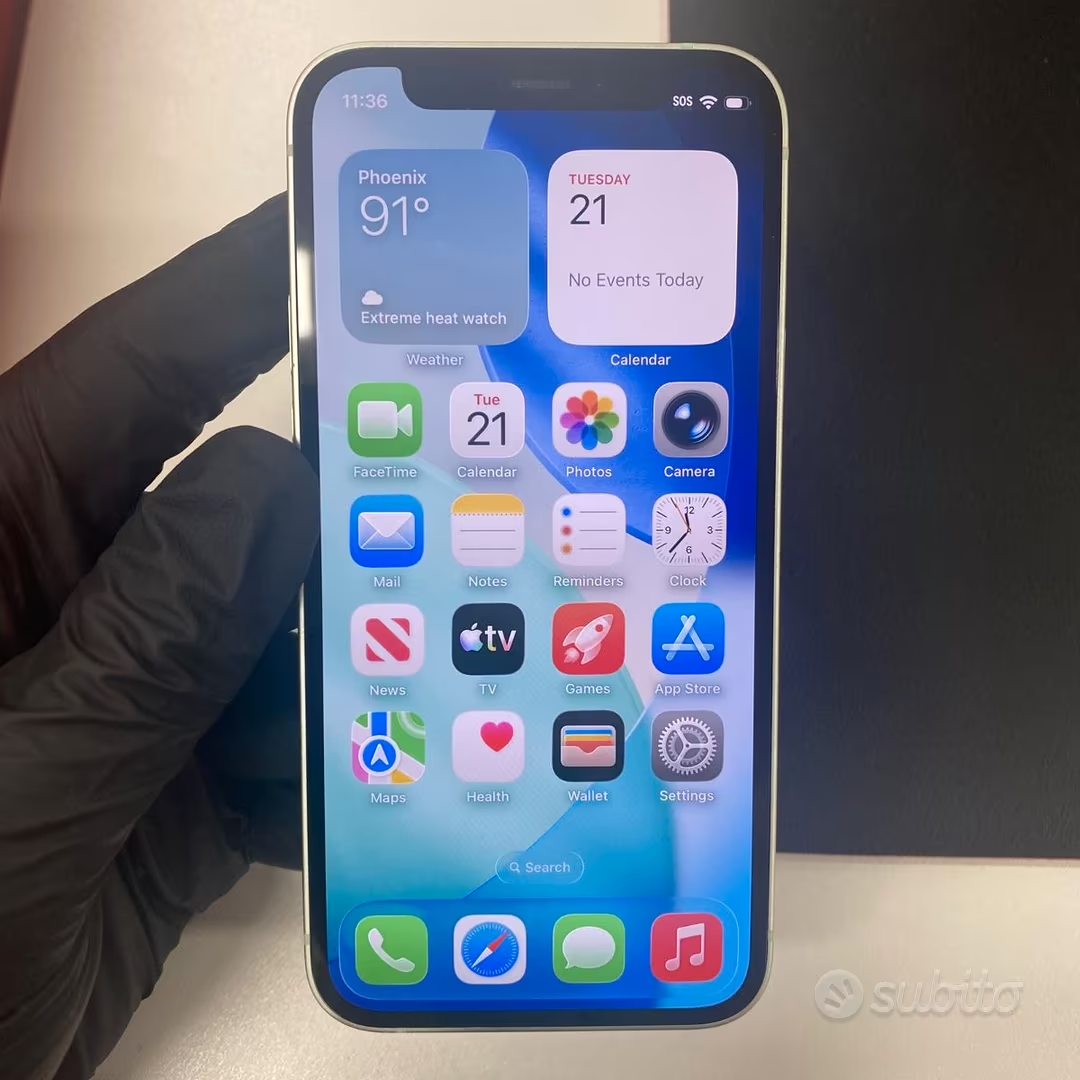
The iPhone 12 mini 64GB in blue remains a distinct option in the secondary smartphone market, particularly for buyers seeking a compact form factor equipped with 5G capabilities. According to retail listings and device specifications documented by Apple, the 5.4-inch device features an OLED Super Retina XDR display, an A14 Bionic chip, and a dual-camera system, packaged in a smaller footprint than standard modern smartphones.
When evaluating pre-owned or open-box devices, industry analysts and consumer guides emphasize verifying component authenticity, battery health percentages, and functional status across hardware features such as Face ID and cellular radios. Devices marketed as original units with factory components often command varied pricing depending on physical condition and battery longevity.
Hardware Specifications and Design Context
Introduced by Apple in October 2020, the iPhone 12 mini was designed to cater to users preferring a smaller physical device without sacrificing processing power. The phone shares core specifications with the standard iPhone 12, including the A14 Bionic processor, Ceramic Shield front cover, and an IP68 water and dust resistance rating.
The device utilizes a 5.4-inch Super Retina XDR display with a resolution of 2340 by 1080 pixels at 476 ppi. For photography, it incorporates a 12-megapixel dual-camera array featuring Ultra Wide and Wide lenses, supporting Night mode, Deep Fusion, and HDR video recording with Dolby Vision up to 30 fps. Connectivity options include 5G sub-6 GHz, Gigabit LTE, Wi-Fi 6, and Bluetooth 5.0.
Market Dynamics for Pre-Owned Compact Smartphones
Consumer demand for smaller smartphones has shifted significantly since the release of the iPhone 12 mini and its successor, the iPhone 13 mini. Apple discontinued the production of the mini line in 2023, pivoting its compact lineup toward the larger iPhone SE and standard 6.1-inch models. Consequently, the secondary market has become the primary avenue for consumers looking to purchase these smaller devices.
Market pricing for pre-owned units varies based on storage capacity—such as the 64GB, 128GB, and 256GB configurations—as well as cosmetic wear and battery capacity metrics displayed in iOS settings. Buyers examining listings on platforms like Subito or other classified marketplaces frequently look for documentation confirming original parts, uncompromised water resistance seals, and battery health status.
What to Verify When Buying Pre-Owned Apple Devices
Independent consumer tech reviewers and repair advocates recommend specific checks before purchasing secondhand smartphones:
Battery Health: Checking the maximum capacity percentage under iOS Battery Health settings to gauge expected longevity before a replacement is required.
Original Components: Verifying whether the display, battery, or cameras have been replaced with third-party parts, which iOS detects and flags in newer software versions.
Activation Lock: Ensuring the device is fully signed out of the previous owner’s iCloud account to prevent activation locks.
Network Status: Confirming the device is carrier-unlocked and not blacklisted due to unpaid balances or reports of loss.
As the smartphone market continues to trend toward larger displays exceeding 6.0 inches, devices like the iPhone 12 mini retain a specific niche among users prioritizing pocketability and single-handed usability.
Related reading