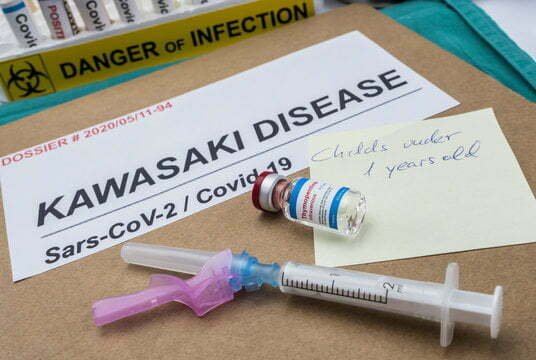
Children recovering from viral infections face rare but severe systemic complications, including pediatric multisystem inflammatory syndrome (MIS-C), which manifests with symptoms similar to Kawasaki disease. Medical experts note that while most young patients recover completely with prompt hospital care, understanding the overlap between these inflammatory conditions remains vital for parents and pediatricians alike.
When families navigate post-viral health concerns, knowing what to look for can make all the difference in securing timely medical intervention.
Kawasaki disease itself is an acute febrile illness primarily affecting young children, marked by generalized inflammation of the blood vessels. While its exact triggers have long puzzled clinicians, medical literature highlights that symptoms can include a high fever lasting at least five days, a body rash, swollen lymph nodes in the neck, red eyes without discharge, cracked or strawberry-colored lips, and peeling skin on the hands and feet.
Diagnostic Criteria and Clinical Assessment
Diagnosing these inflammatory conditions relies heavily on a thorough physical examination paired with a detailed clinical history. Pediatricians evaluate how long a fever has persisted, check for distinctive rashes, inspect the tongue and mucous membranes, and assess lymph node enlargement. When systemic involvement is suspected, physicians frequently order blood tests, chest X-rays, and echocardiograms to evaluate heart function and check for coronary artery changes.
If left untreated, classic Kawasaki disease poses severe risks, notably inflammation of the coronary arteries that can foster blood clots and restrict oxygen supply to the heart muscle. Fortunately, the condition is treatable when caught early. Hospital-based protocols often involve intravenous gamma globulins to help modulate the immune response, alongside medications like aspirin to prevent abnormal clot formation.
The Post-COVID Connection: MIS-C and PIMS
Following widespread community transmission of SARS-CoV-2, clinicians observed an increase in presentations mirroring severe vascular inflammation. Initially termed pediatric multisystem inflammatory syndrome (PIMS) and later categorized as multisystem inflammatory syndrome in children (MIS-C), this condition affects multiple organ systems including the heart, lungs, kidneys, brain, and gastrointestinal tract.
According to clinical observations, MIS-C is linked to the body’s delayed immune response following a coronavirus infection. Affected children often require hospital admission for targeted therapies, such as intravenous immunoglobulin (IVIG) and steroids. Although the syndrome can cause serious complications like shock or organ failure, the vast majority of pediatric patients achieve a full recovery when diagnosed and treated promptly.
Preventive Measures and Follow-Up Care
Public health guidelines emphasize that preventing coronavirus exposure remains the most effective strategy for mitigating post-viral inflammatory risks. Pediatric health advocates recommend routine handwashing with soap and water, maintaining physical distancing in public settings, avoiding individuals with active cold or flu symptoms, and ensuring that eligible children wear face masks in crowded public areas.
For children who have experienced these inflammatory conditions, structured follow-up care is essential. Physicians monitor recovery through regular check-ups, diagnostic imaging, and blood work to ensure cardiac health returns to baseline. Parents are advised to maintain open communication with their pediatricians, prioritizing proper nutrition, adequate rest, and immediate medical evaluation if a persistent high fever or unusual rash develops.
Worth a look