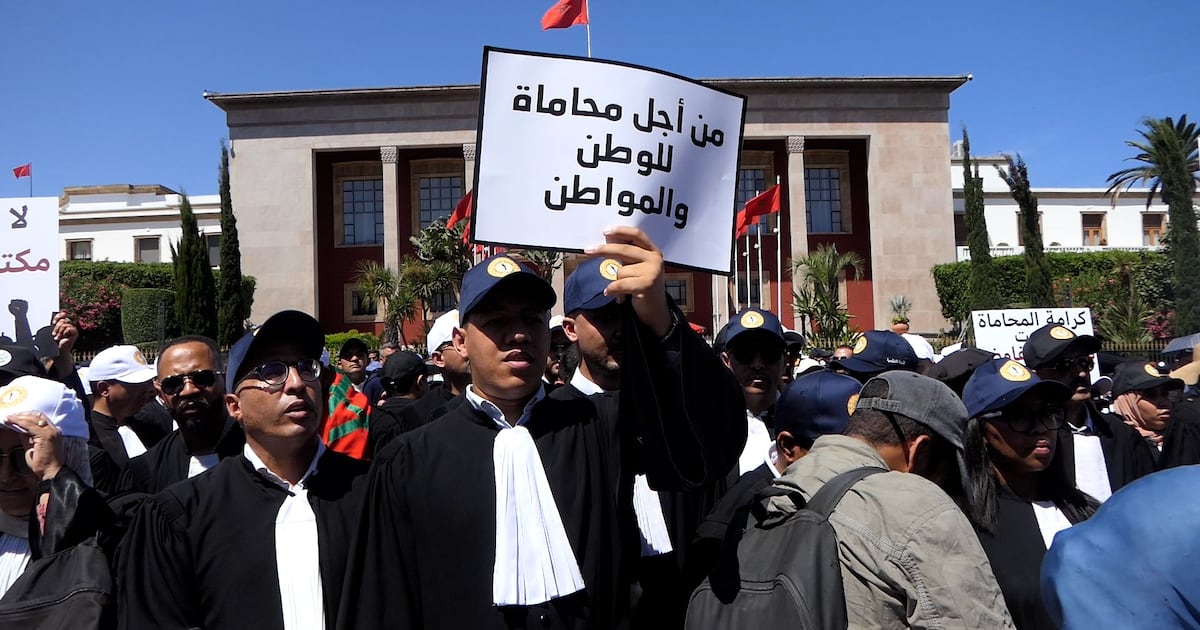
Moroccan lawyers in Rabat are facing severe financial strain amid a prolonged strike opposing the draft bill governing their profession, pushing local bar associations to implement emergency measures to assist members. The ongoing standoff centers on sweeping legislative proposals that practitioners argue undermine professional independence and economic stability, bringing court proceedings across the capital to a near-standstill.
The financial fallout from the boycott has triggered deep concern among legal professionals, many of whom rely on daily court appearances and client consultations to sustain their practices. According to regional reports covering the labor action, the prolonged suspension of judicial hearings has choked off primary revenue streams for independent attorneys, particularly younger practitioners and small-firm operators who lack substantial financial reserves.
Legal professionals across Rabat and other major Moroccan cities have maintained a unified front against the contentious draft law, arguing that the legislation introduces restrictive regulatory burdens without adequate consultation. Bar associations have repeatedly called for comprehensive revisions to the legal framework, insisting that any modernization of the profession must respect historical autonomy and safeguard the economic realities of practicing lawyers.
Financial Pressures on Rabat Practitioners
The economic impact of the ongoing judicial boycott has escalated rapidly since the dispute began. With courtrooms seeing drastically reduced caseloads and postponed hearings, individual practitioners face mounting overhead costs, including office rents, staff salaries, and mandatory professional dues, while incoming fees dry up.
In response to the mounting fiscal crisis, leadership figures within the Rabat bar have activated solidarity mechanisms designed to support vulnerable members. These emergency steps aim to cushion the blow of lost revenue, though bar officials acknowledge that localized relief funds can only provide a temporary bridge while negotiations with lawmakers remain deadlocked.
Core Disputes Over the Draft Legal Profession Bill
At the heart of the standoff is the proposed regulatory overhaul itself. Representatives of the legal community contend that several provisions within the draft bill infringe upon professional secrecy, expand disciplinary powers improperly, and impose tax or administrative structures that threaten the viability of independent law firms.
Ministry of Justice officials have defended the legislative initiative as a necessary step toward modernizing the judicial sector, enhancing transparency, and aligning professional standards with broader institutional reforms. However, communication between the government and professional bodies has frequently faltered, with lawyers demanding the complete withdrawal or substantial redrafting of the controversial texts before normal court activities resume.
Next Steps and Outlook
As the legal stalemate persists, attention turns toward upcoming general assemblies and potential mediation sessions between the Association of Bars in Morocco and governmental authorities. Both sides face mounting pressure to find a compromise as case backlogs grow within the nation’s courts, affecting litigants alongside the legal practitioners themselves.
Official updates regarding the status of the draft bill and subsequent bar association meetings are expected to be published through the official channels of the Rabat Bar Association. Readers and stakeholders are encouraged to share their perspectives or join the discussion in the comments section below.
Worth a look