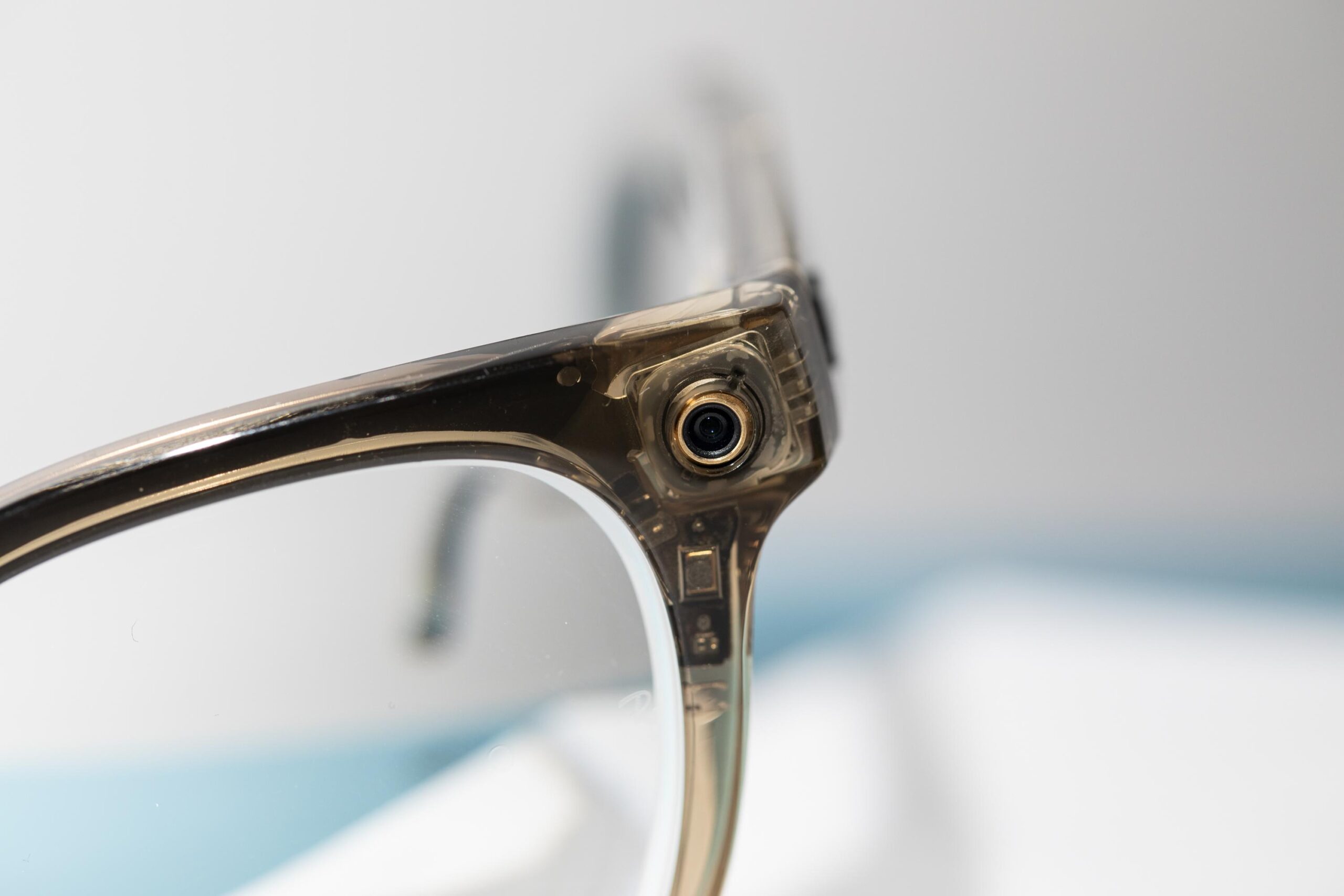
Apple is planning to reveal its first smart glasses at WWDC in June 2027, with an expectation that they’ll launch by the end of 2027. According to Mark Gurman, part of the hold-up may be around the company’s efforts to get its privacy features and messaging in order. As Gurman points out: The company has spent more than a decade making privacy one of its defining product messages. Simply entering the same category as Meta risks undermining that reputation, regardless of how Apple’s approach differs.
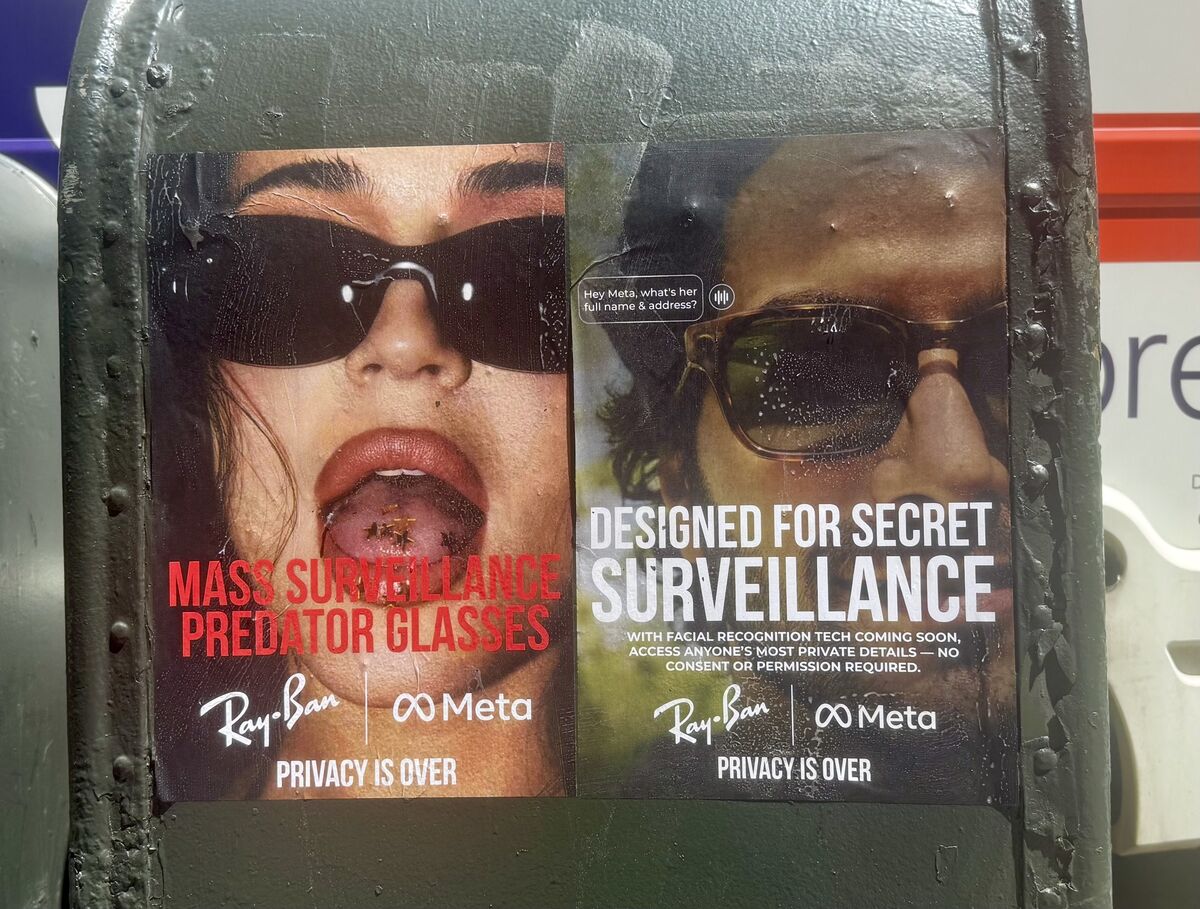
By Mark Gurman July 26, 2026 at 2:00 PM UTC, Apple’s upcoming smart glasses have a major challenge in front of them: overcoming the privacy baggage for a category that Meta created. Smart glasses in general, and Meta’s in particular, have ignited controversy over their ability to stealthily capture photos and videos. Fake Meta ads have been plastered in New York City in opposition to smart glasses. Among tech behemoths like Google, Microsoft, Amazon, and most of all Meta, Apple is the clear winner, at least in terms of public perception, and it’s fought hard, and for a long time, to be seen that way.
Privacy Concerns and the Evolution of the N50 Smart Glasses
A new report from Bloomberg’s Mark Gurman says there’s been some turmoil within Apple lately because its luster as the anointed privacy leader in Big Tech could be tarnished somewhat when it rolls out a new product in a category now commonly referred to online as pervert glasses.
Apple’s long rumored glasses product, supposedly code-named “N50” was apparently on track for an introduction this year, and a rollout in early 2027, but the glasses are now going to be released in late 2027 because Apple is still crafting its privacy message.
Meta’s smart glasses have been a modest success, commercially speaking, but that success has come with complications, and products in this category are now banned in courtrooms in multiple jurisdictions, and were also publicly trashed by Lorde to the screams and applause of her fans.

According to Bloomberg’s Mark Gurman, Apple is grappling with how to address major privacy concerns when it comes to smart glasses. Gurman reported that the teams developing glasses within Apple's Vision hardware group and elsewhere in the company see privacy as priority No. 1.
Hardware and Software Safeguards Under Development
Apple is likely to rely on on-device processing and skip out on more controversial features like facial recognition or an always-on-recording similar to Meta’s “super sensing.” Gurman also believes Apple will avoid using customer recordings to train AI models. Other hardware and software privacy features are also reportedly in the works. Gurman reported that Apple is working on several new hardware and software-related privacy features not available on current products.
The company is exploring several tweaks related to user privacy, and on the software side, Apple will likely adopt some privacy protections, like the ones seen with Meta, where it will disable recording if it suspects that the light that indicates recording has been tampered with, according to Gurman. It’s also possible that Apple could eventually release a version of its smart glasses without a camera, or with a camera that is exclusively for sensing and won’t be able to capture video or photos at all, similar to what is rumored for Apple’s AI-enabled AirPods.
Legal Realities and the Patchwork of U.S. Recording Laws
Smart glasses are generally legal in the United States, but it’s complicated. There is no law specifically governing their use, so they fall under a patchwork of existing regulations, including recording consent, wiretapping, and state-level privacy laws. Because these rules were not designed with smart glasses in mind, certain uses — like recording someone without their consent in states that require it — is still illegal.

Smart glasses are arriving as part of a much bigger shift toward AI-first hardware, with companies like Meta, Apple and Google pitching them as hands-free assistants capable of seeing, listening and responding to their environments in real time. Instead of having to pull out a phone, smart glasses wearers can ask for directions, translate conversations and capture video simply by looking at the world around them. No longer the experimental gadget of the early 2010s, smart glasses are being marketed as the next natural successor to the smartphone — or at least a powerful companion.
WWDC27 Reveal and Developer Integration Strategy
According to today’s report from Bloomberg’s Mark Gurman, Apple is currently aiming
to reveal the new glasses to the public at next year’s Worldwide Developers Conference. It seems unlikely that Apple would launch a new device at WWDC without also releasing some sort of way for developers to create software for the device. So, the glasses may be able to incorporate data and actions from third-party apps, just like the new Siri AI, rather than being limited to Apple’s first-party features.
If this pans out, it will be very similar to the Apple Vision Pro launch in 2023: the hardware and software were previewed months in advance so that developers could work on creating apps for the platform, and the final hardware was released later.
Related reading