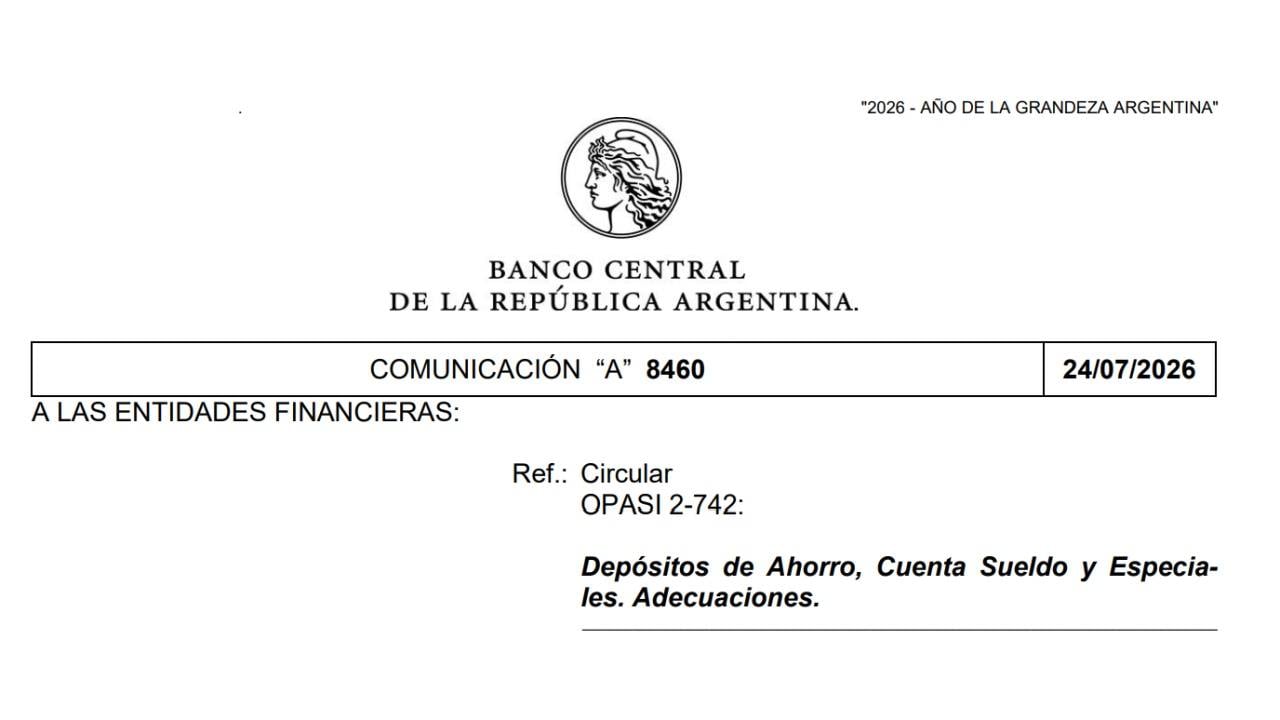
Argentina’s central bank has taken a significant step toward financial flexibility by permitting workers to receive their wages in United States dollars, a regulatory shift designed to appeal to private sector employers and employees navigating high domestic inflation. According to official announcements from financial regulators in Buenos Aires, the policy change introduces modernized payment structures that allow companies to formalize remuneration contracts directly in foreign currency. This development marks a notable pivot in South America’s second-largest economy as policymakers seek to rebuild confidence in the labor market.
The decision arrives amid prolonged monetary turbulence and years of strict capital controls implemented across Argentina. Financial analysts note that allowing dollar-denominated salaries provides a vital mechanism for retention within technology, energy, and export-oriented sectors where talent often commands international rates. By clarifying the legal and banking frameworks required for foreign currency payrolls, authorities aim to reduce administrative friction for corporations while offering workers a reliable hedge against currency depreciation.
Implementing a foreign currency payroll system requires strict compliance with existing banking regulations, tax obligations, and social security withholdings governed by national authorities. Employers choosing to disburse compensation in U.S. dollars must coordinate directly with financial institutions to ensure transparent reporting and adherence to legal wage floors. Labor unions and legal advisors have emphasized that while the measure offers substantial benefits for purchasing power, companies must navigate complex accounting requirements to protect worker rights.
Economic Context and Market Impact
For decades, Argentina’s labor market has operated primarily within the national currency, the Argentine peso, even as inflation rates climbed to extreme highs. The introduction of official pathways for dollar salaries reflects broader economic reforms aimed at stabilizing commercial transactions and encouraging capital repatriation. Economists tracking the region suggest that formalizing foreign currency earnings could gradually bring a portion of the informal economy back into the banking system, increasing tax collection transparency.
Multinational corporations and domestic tech firms operating in Buenos Aires stand to benefit immediately from the updated regulations. Recruiting top-tier software engineers, financial analysts, and corporate managers has proven challenging when competing against remote international employers offering dollar-based compensation. With domestic banks establishing clearer procedures for foreign currency accounts, local businesses can now match international compensation standards without resorting to complex offshore workarounds.
Worker Protections and Banking Compliance
Despite the flexibility offered by dollarized remuneration, regulatory bodies maintain strict oversight regarding how wages are calculated, taxed, and deposited. Labor laws mandate that any transition to foreign currency pay must be agreed upon mutually between employer and employee, preventing unilateral salary reductions or discriminatory practices. Furthermore, mandatory deductions for health insurance, retirement funds, and social contributions must be calculated accurately based on official exchange rates recognized by financial authorities.
Commercial banks in Argentina are currently rolling out specialized corporate accounts and retail products designed to handle foreign currency payroll processing efficiently. Workers choosing to receive their earnings in dollars must maintain compliant bank accounts capable of receiving wire transfers without incurring prohibitive administrative fees. Financial advisors recommend that employees review their banking agreements carefully to understand liquidity rules, withdrawal limits, and maintenance costs associated with foreign currency holdings.
Next Steps for Employers and Employees
Businesses wishing to implement dollar-denominated payroll structures must submit updated compensation frameworks to corporate legal counsel and banking partners to ensure full regulatory alignment. Human resources departments across Argentina are currently evaluating internal compensation policies to determine feasibility. Workers interested in transitioning to foreign currency wages should consult their employer’s human resources division or legal representatives to verify specific banking requirements and tax implications.