
Global financial markets brace for a pivotal policy week as the Federal Reserve, Bank of England, and Bank of Japan convene against a backdrop of surging oil prices, intense tech earnings scrutiny, and shifting interest rate expectations.
The week of July 27, 2026, brings a heavy slate of macroeconomic data and central bank decisions that could redefine investor sentiment. Financial markets are navigating a complex mix of pressures, led by a sharp spike in crude oil, high-stakes earnings reports from artificial intelligence and cloud computing leaders, and crucial monetary policy assessments across major global economies.
–/wp:paragraph –>
Federal Reserve Policy Decisions and Dissent Expectations
The Federal Open Market Committee concludes its two-day meeting on Wednesday, with Fed Chair Kevin Warsh scheduled to hold a press conference. Markets are currently pricing in a 38% probability of a 25-basis-point rate increase, alongside expectations that the target range for the federal funds rate will remain at 3.50% to 3.75% for a fifth meeting, according to analysis from Brown Brothers Harriman.
Unlike the unanimous vote to hold rates steady in June, this week’s meeting faces potential internal division. Observers anticipate a 10-2 vote split, with Cleveland Fed President Beth Hammack and Dallas Fed President Lorie Logan expected to dissent in favor of a 25-basis-point hike. Lorie Logan has publicly argued for modestly higher interest rates
to combat persistent inflation risks.
Simultaneously, Thursday brings the advance estimate for second-quarter gross domestic product and the June personal consumption expenditures price index. Real GDP is projected to grow at an annualized rate of 2.1%, matching the first quarter’s pace and supported by consumer spending and AI-related business investment. Meanwhile, headline PCE inflation is expected to decline to 3.7% annually from 4.1% in May, while core PCE is forecast to ease to 3.3%.
Crude Oil Surge and Geopolitical Pressures
Energy markets have emerged as a primary market driver following a dramatic escalation in Middle East hostilities. Brent crude jumped 7% on Thursday to settle at $100.69 a barrel, marking its first close above $100 since May 26, according to Yardeni QuickTakes. The spike followed reported strikes by Yemen’s Houthi militants on two Saudi oil tankers in the Red Sea.
In response to the maritime attacks, President Trump stated that the United States would hold Iran responsible for any further shipping disruptions in the region.
This renewed geopolitical friction threatens the recent disinflationary trend, driving energy stocks to lead S&P 500 earnings growth sectors for the second quarter.
Big Tech Earnings and Magnificent Seven Scrutiny
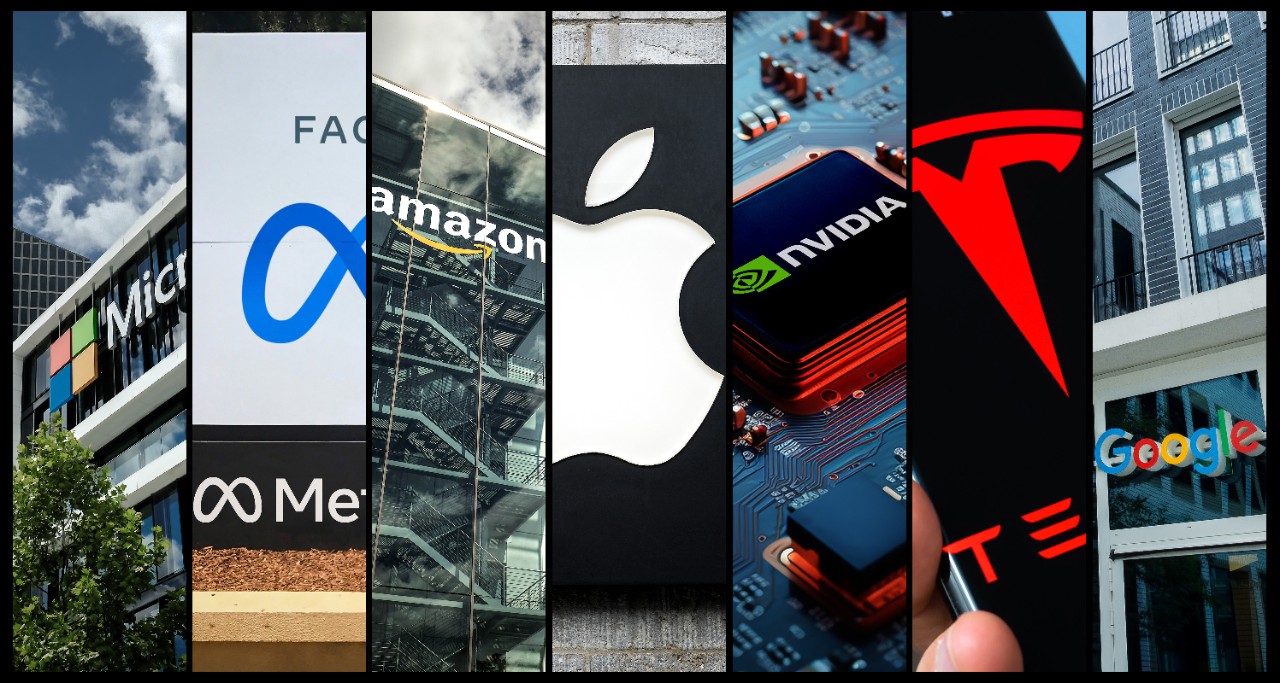
The corporate earnings calendar reaches its peak with four of the Magnificent Seven reporting quarterly results. Microsoft and Meta report after the market close on Wednesday, followed by Apple and Amazon on Thursday. Together, these four enterprises account for approximately 17% of the S&P 500’s total market capitalization.

Investor anxiety remains elevated following the reception of earlier tech results. Both Alphabet and Tesla saw their share prices fall sharply after reporting negative free cash flow. Market participants are closely monitoring cloud growth figures across Microsoft, Amazon, and Google Cloud, alongside Apple’s sales guidance following the approval of Apple Intelligence in China and Meta’s artificial intelligence monetization strategies through its Meta Compute offering.
Bank of England and Bank of Japan Stances
Across the Atlantic, the Bank of England is widely expected to keep its policy rate at 3.75% for a fifth straight meeting on Thursday. Cooling wage growth and softer services inflation give the UK central bank room to maintain its current stance, with a projected 7-2 vote split in favor of no change. However, fiscal policy uncertainty under Prime Minister Andy Burnham continues to exert upward pressure on gilt yields ahead of the October budget.
In Asia, the Bank of Japan is fully expected to keep interest rates unchanged on Friday, though markets remain alert for any signaling regarding an accelerated tightening pace that could support the struggling yen.
Worth a look