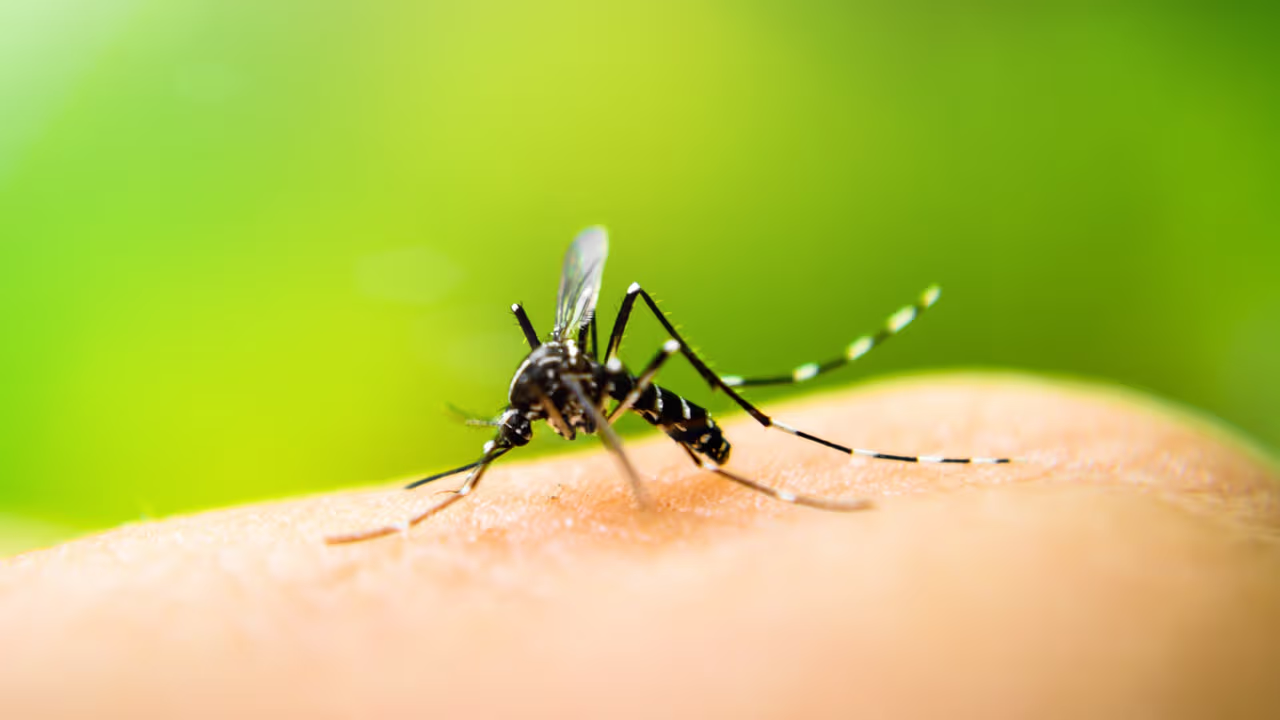
Public health officials in Tarrant County, Texas, have confirmed a severe human case of the West Nile virus, marking the second diagnosis of the neuroinvasive strain in the northern region of the state for the current season. The case involves a resident who developed West Nile neuroinvasive disease, a serious neurological manifestation of the mosquito-borne illness that can cause inflammation of the brain or surrounding tissues.
Local health authorities emphasize that the detection serves as an immediate reminder for residents to maintain mosquito safety precautions. The West Nile virus spreads primarily through the bite of infected mosquitoes, which pick up the pathogen from birds and pass it along to humans. While many people infected with the virus experience mild symptoms or none at all, neuroinvasive variants represent a critical medical concern requiring prompt evaluation.
As communities across North Texas navigate peak mosquito breeding seasons driven by local climate patterns, public health agencies continue monitoring vector activity through traps and testing. Officials urge individuals to inspect their properties for standing water where mosquitoes multiply and to apply EPA-registered insect repellents when spending time outdoors, particularly during dusk and dawn when mosquito activity peaks.
Understanding West Nile Neuroinvasive Disease
West Nile neuroinvasive disease is the most severe form of infection caused by the virus. According to the Centers for Disease Control and Prevention, this condition can manifest as meningitis, encephalitis, or acute flaccid paralysis. Symptoms frequently include high fever, severe headache, neck stiffness, disorientation, coma, tremors, convulsions, or muscle weakness.
Medical professionals note that older adults and individuals with compromised immune systems face a substantially higher risk of developing severe neurological complications if infected. Unlike non-neuroinvasive cases, which typically resolve with mild flu-like symptoms, neuroinvasive infections often require hospitalization and intensive supportive care. Recovery can take weeks or months, and some patients experience long-term neurological effects.
Public Health Response and Prevention Measures
In response to the Tarrant County case, municipal sanitation departments and local mosquito control districts have ramped up surveillance and targeted larvicide treatments in affected neighborhoods. Public health campaigns focus heavily on the “Four Ds” of defense: draining standing water, dressing in long sleeves and pants, defending with repellent containing DEET, Picaridin, or oil of lemon eucalyptus, and limiting outdoor activities during peak mosquito hours.
Residents are encouraged to check local public health portals for regular updates regarding mosquito testing results, spraying schedules, and community health advisories. Authorities continue to stress that individual prevention remains the single most effective defense against reducing transmission risks as the season progresses.
Worth a look