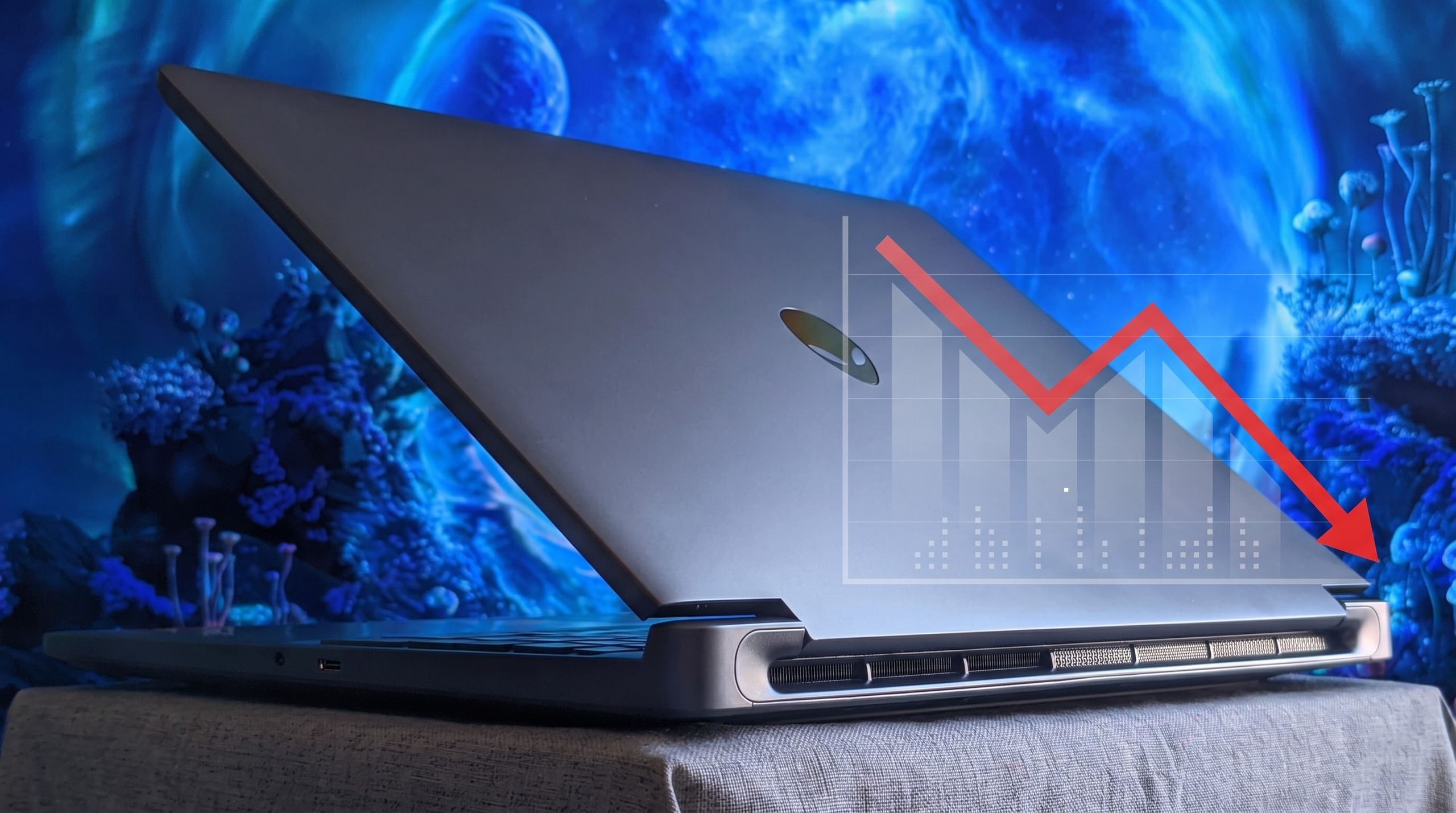
Global PC shipments dropped four percent year-on-year to 65 million units in the second quarter of 2026, breaking five consecutive quarters of growth. Counterpoint Research attributes the market contraction to soaring DRAM and NAND flash prices, forcing manufacturers to raise prices and suppress consumer sales.
The global personal computer market has hit a major wall. For the first time since the first quarter of 2025, worldwide PC shipments have posted a year-on-year decline, falling four percent in the second quarter of 2026 to reach roughly 65 million units according to preliminary data from Counterpoint Technology Market Research. This downturn brings an abrupt halt to five straight quarters of market expansion and underscores how hardware manufacturing costs are finally rippling through retail channels.
The immediate culprit behind the contraction is a severe component shortage. Surging prices for dynamic random-access memory and flash storage have driven up bill-of-material costs for computer manufacturers, forcing brands to choose between swallowing the expense or passing it on to buyers as part of the ongoing RAM crisis. Contract prices for PC memory experienced dramatic hikes, with DRAM and NAND flash jumping 110 percent and 126 percent respectively in the first quarter of this year, followed by additional increases of 35 percent and 44 percent in the second quarter according to market research data published by Chosunbiz.
Lenovo, HP, and Dell Face Shipment Declines Amid Rising Component Costs
The squeeze on component supply has impacted major vendors differently based on their market positioning and supply chain leverage. Analysts note that Lenovo’s massive purchasing scale and deep supply chain relationships cushioned it from the worst effects of the memory shortage.
HP experienced the steepest drop among the top three industry players, recording an eight percent year-on-year decline in shipments. HP’s product mix remains heavily exposed to mainstream consumer fleets and mid-range enterprise buyers, which represent the exact segments most sensitive to component-driven price hikes. Dell experienced a more modest six percent decrease in shipments, with its heavy commercial focus helping shield it from the dramatic collapse hitting pure consumer markets by capturing reliable enterprise IT budgets.
ASUS and Apple Buck Industry Trend With Positive Growth in Q2 2026
While the broader market struggled, two major manufacturers managed to grow their shipments against the tide. Meanwhile, ASUS grew its shipments by four percent, capturing a 7.4 percent global market share through an agile approach to silicon architecture and diverse AI PC offerings ranging from mainstream Vivobook systems to high-end ProArt machines.

Smaller PC makers are feeling an even sharper pinch. In the retail space, budget laptops under $1,000 have become increasingly rare, and midrange rigs now frequently command around $1,500 while configurations occasionally step back to older DDR4 memory to keep costs manageable.
Commercial Demand Proves Resilient While Consumer Sales Slow
Industry experts emphasize that the memory crunch is fundamentally reshaping product strategy across the technology sector. Manufacturers are shifting their focus away from margin-diluted entry-level tiers toward premium hardware where higher price tags are easier to justify to buyers.
“The memory shortage is no longer just a short-term supply problem. It has become a key factor changing the direction of the PC industry. As OEMs face higher component costs, the market will shift toward premium AI PCs, since their better performance and on-device AI features make higher prices easier to accept.”
David Naranjo, Associate Director at Counterpoint Research
On the enterprise side, demand remains supported by mandatory Windows migrations and early corporate adoption of AI capabilities. Senior research analyst Minsoo Kang noted that while price-sensitive consumer segments will inevitably slow, corporate buyers provide a reliable baseline as replacement demand continues due to the end of Windows support.
Worth a look