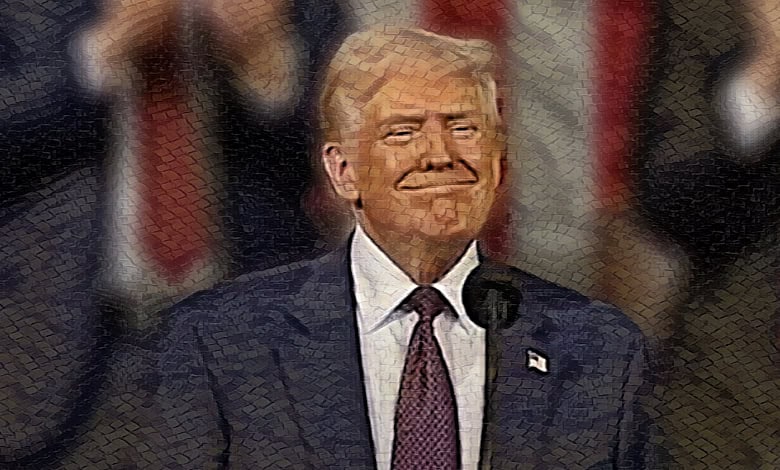
Bright Eyes lead singer Conor Oberst recently voiced pointed frustrations regarding the current political landscape and President Donald Trump, highlighting a broader ongoing discussion about the state of protest music and cultural critique in contemporary media. Speaking candidly about his artistic struggles, Oberst admitted that the polarizing nature of modern politics—and the president specifically—has created a unique roadblock when it comes to crafting traditional protest songs.
According to recent remarks from the singer, the sheer volume of political friction makes standard critique feel almost redundant. “If you can have just a person at that base level of moral decrepitude as Trump […] He’s a conman, [who] has done nothing but rob the country,” Oberst stated, capturing a sentiment shared by many artists who grapple with how to address outsized political figures through their creative work.
While musicians have historically galvanized audiences against specific administrations—notably the widespread opposition rock and punk acts mounted against President George W. Bush and the Iraq War—observers note that the nature of cultural grievance has evolved significantly in the modern media ecosystem.
The Evolution of Political Commentary in Modern Music
Historically, acts like Green Day built substantial portions of their punk brand around opposing Republican leadership, a tradition that continued into the era of Donald Trump with various tours and anthems explicitly addressing his administration.
However, commentators and cultural analysts frequently point out a perceived inconsistency in how the broader artistic community responds to major geopolitical and domestic events. While high-profile figures regularly use platforms like Grammy acceptance speeches or concert stages to denounce conservative politicians, critics argue that other major controversies—such as international conflicts, domestic free-speech disputes, and media controversies—frequently receive far less lyrical attention from mainstream artists.
Rather than leaning exclusively into familiar anti-administration talking points, industry observers suggest that exploring alternative viewpoints, engaging with diverse voter bases, and looking beyond 24/7 legacy media fear-mongering could offer artists a fresh well of creative inspiration.
Navigating the Cultural Divide in Creative Work
For songwriters like Oberst, the challenge remains finding a compelling angle on a political environment that many feel is already saturated with noise.
Industry critics argue that addressing the root causes of societal polarization—and examining how media institutions on both sides exacerbate those divisions—could yield more resonant, long-lasting art. By stepping outside conventional comfort zones and examining the core concerns of everyday voters across the political spectrum, artists might discover narratives that transcend partisan talking points and genuinely engage a broader audience.
Keep reading