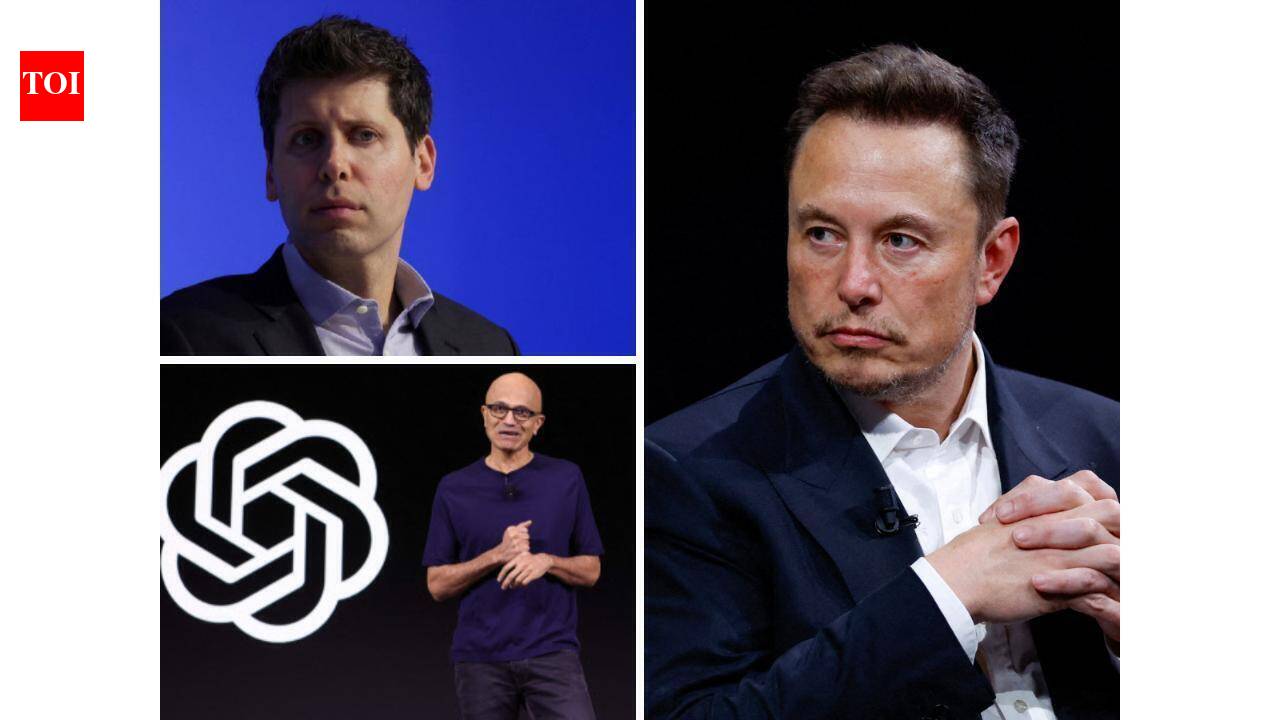
Top technology executives, including Microsoft CEO Satya Nadella, Google CEO Sundar Pichai, Tesla CEO Elon Musk, Nvidia CEO Jensen Huang, and OpenAI CEO Sam Altman, signed a high-profile open letter addressing the future of artificial intelligence development, according to reports by major international media outlets. The letter, which brings together prominent leaders from across the competitive tech landscape, addresses critical issues surrounding safety standards, industry regulation, and the rapid pace of technological innovation.
The coalition of tech leaders represents a rare alignment among fierce competitors in the global artificial intelligence sector. As generative artificial intelligence tools scale to reach billions of users worldwide, industry architects face mounting pressure from policymakers, civil society groups, and security researchers to establish clear operational boundaries. According to public disclosures and industry filings, the signatories include heads of both established multinational technology conglomerates and specialized artificial intelligence research laboratories.
Industry watchers note that the letter arrives as legislative bodies across the United States, the European Union, and Asia debate comprehensive frameworks to govern digital infrastructure and machine learning models. Lawmakers have increasingly scrutinized how frontier systems handle data privacy, systemic risk, and intellectual property. By engaging directly with these regulatory pressures through a collective message, executive leadership aims to shape upcoming compliance standards before rigid statutes take effect.
Industry Implications and Regulatory Pressures
The unified communication underscores a growing consensus among top software and hardware executives that voluntary guardrails must accompany commercial deployment. Nvidia CEO Jensen Huang, whose hardware supplies the computational power for most large-scale model training, has repeatedly emphasized the necessity of robust testing protocols. Meanwhile, firms like OpenAI, led by Sam Altman, and Microsoft, guided by Satya Nadella, continue to navigate complex questions regarding enterprise adoption and public safety.
Government agencies have ramped up oversight of artificial intelligence developers over the past year. In the United States, the Department of Commerce and the National Institute of Standards and Technology have established specialized institutes to evaluate model safety. Globally, international summits held in cities such as London and Seoul have sought to forge cross-border agreements on catastrophic risk mitigation. The executives’ letter reflects these ongoing diplomatic and technical negotiations.
Technical Challenges and Safety Standards
Developing secure frontier models involves substantial engineering hurdles, ranging from alignment research to preventing the generation of unverified or harmful information. Competitors who typically guard their proprietary algorithms closely have faced calls to share safety research openly. According to technical whitepapers released by leading labs, standard evaluation benchmarks now test models for cybersecurity vulnerabilities, biological risks, and automated persuasion capabilities.
Independent academic researchers often point out the gap between corporate commitments and practical enforcement. While executive signatures signal high-level intent, civil society organizations track whether these pledges translate into adequate budget allocations for internal safety teams. Observers emphasize that meaningful accountability requires transparent reporting mechanisms and independent audits rather than self-regulation alone.
Next Steps and Policy Timeline
The ongoing dialogue between technology executives and international regulators is expected to intensify as upcoming legislative sessions convene. Stakeholders anticipate further announcements regarding compliance frameworks, safety testing standards, and government procurement guidelines for artificial intelligence systems. Readers seeking official updates can monitor announcements from regulatory bodies such as the European Commission or the U.S. Artificial Intelligence Safety Institute.
What are your thoughts on how industry leaders and governments should balance innovation with safety? Share your perspective in the comments below.
Related reading