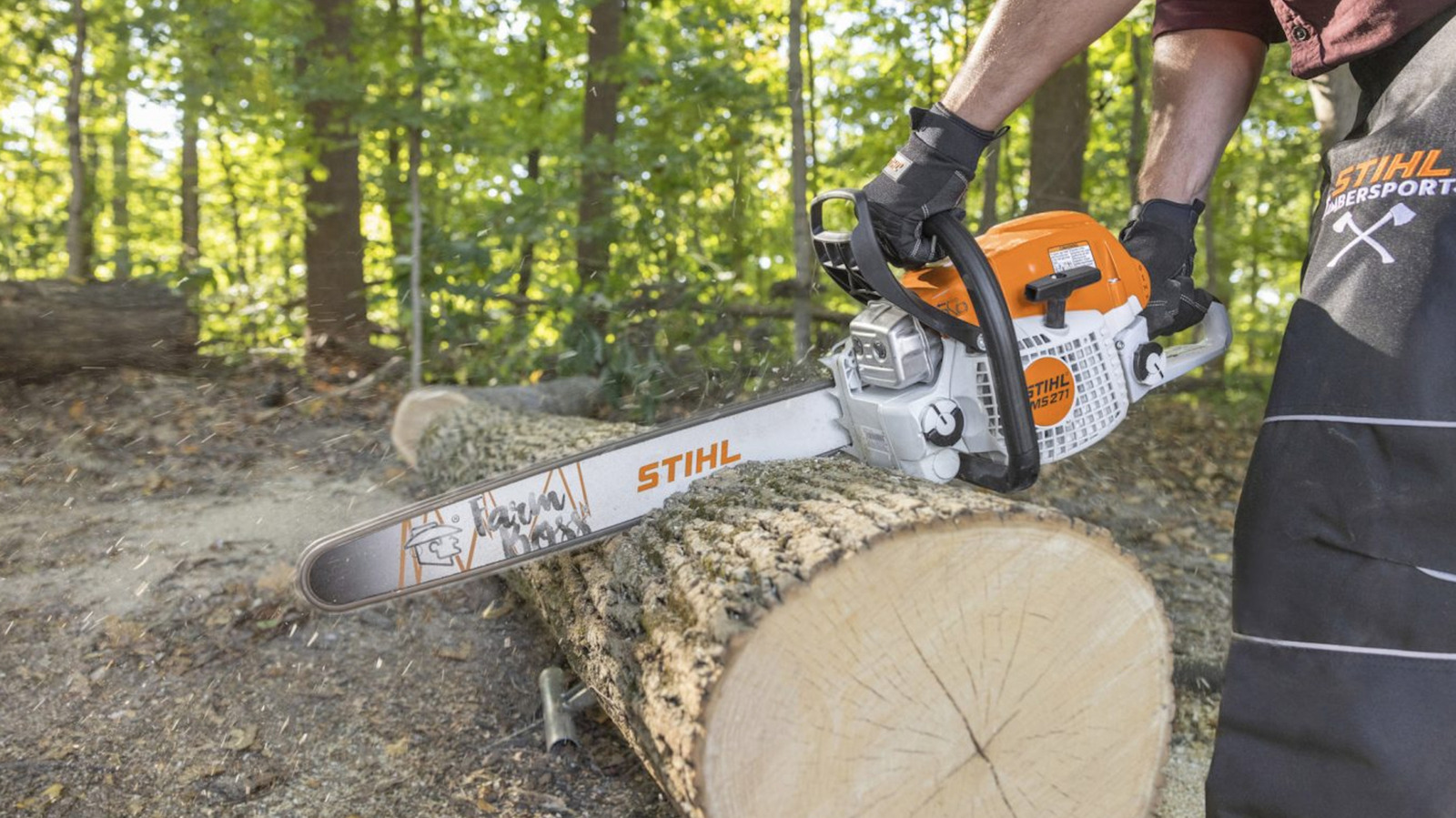
When shopping for a heavy-duty petrol chainsaw for property maintenance, land management, or timber harvesting, buyers frequently encounter two iconic model lines from Andreas Stihl AG & Co. KG: the Farm Boss and the Wood Boss. While both mid-range saws share a legendary reputation for durability and power among landowners, they are engineered for distinct workloads, displacement classes, and frequency of use. Understanding the technical differences between a Stihl Farm Boss and a Stihl Wood Boss helps purchasers select the correct tool for their specific cutting needs without overspending or underpowering their forestry tasks.
The primary distinction between the two lines centers on engine displacement, physical heft, and intended duty cycle. In current and historical Stihl product lineups, the moniker “Farm Boss”—most notably applied to the popular MS 271 and MS 291 models—typically designates a higher-displacement, semi-professional utility saw designed for landowners who need to cut firewood regularly, fell medium-sized trees, and clear storm damage. Conversely, lines carrying the “Wood Boss” designation—such as the historical MS 251 Wood Boss—are generally built as lighter, homeowner-grade or farm-utility saws geared toward lighter property maintenance, occasional firewood cutting, and limb pruning.
Navigating the Stihl catalog requires looking past marketing nicknames to examine exact specifications, guide bar lengths, and engine outputs. According to product manuals and dealer specifications provided by Andreas Stihl AG & Co. KG, matching a chainsaw’s powerhead to the job prevents premature wear, reduces operator fatigue, and ensures safe operation when handling dense hardwoods or softwood windfalls.
Engine Displacement and Cutting Performance
Engine size remains the most critical differentiator when comparing these two equipment categories. The Stihl Farm Boss series generally occupies the upper tier of the company’s mid-range, landowner category, featuring larger engines that generate higher horsepower and torque for sustained cutting.
For instance, the Stihl MS 291 Farm Boss features a 50.2 cc (3.06 cubic inch) engine delivering 3.76 horsepower, according to official Stihl product specifications. This displacement allows the saw to pull longer guide bars—typically ranging from 16 to 20 inches—through dense logs with minimal bogging down. The increased powerhead weight, which sits at roughly 12.3 pounds (powerhead only), is balanced by advanced anti-vibration systems and side-chain tensioners designed to reduce strain during extended use.
In contrast, saws historically bearing the Wood Boss name, like the MS 251 Wood Boss, generally feature smaller powerplants hovering around 45.6 cc, yielding lower overall output suited for lighter tasks. While a Wood Boss easily handles limbing, thinning, and felling trees up to roughly 12 inches in diameter, it lacks the thermal capacity and torque required for continuous, heavy-duty bucking of large hardwood rounds. Operators tackling all-day firewood processing typically find that the larger displacement of a Farm Boss maintains chain speed more efficiently under heavy load.
Design, Weight, and Ergonomics for Daily Operation
Physical dimensions and weight dictate how long an operator can handle a saw before fatigue sets in. The structural differences between the Farm Boss and Wood Boss families reflect a balance between rugged durability and maneuverability.
Farm Boss models are built with durability features suited for agricultural environments, including advanced air filtration systems designed to capture fine sawdust and debris during prolonged operation. These air filtration systems often feature pre-separation technology that extends filter life significantly, a crucial feature for users cutting dirty or dry wood. However, this heavy-duty construction adds weight, making the saw slightly more demanding to maneuver overhead or during intricate limbing tasks.
Wood Boss models favor a lighter, more compact chassis. Weighing under 11 pounds in many configurations, a Wood Boss allows homeowners and occasional users to work comfortably without the upper-body fatigue associated with heavier semi-professional saws. The streamlined body profile makes it exceptionally agile for clearing brush, pruning low-hanging branches, and cutting smaller logs around a homestead.
Choosing Between Farm Boss and Wood Boss
Selecting the right chainsaw depends entirely on the scale and frequency of the cutting work ahead. Buyers evaluating these options should consider several practical factors:
- Frequency of Use: If the saw runs for multiple hours every weekend or serves as the primary tool for heating a home with wood, the robust engine and durable components of a Farm Boss provide the necessary longevity.
- Timber Diameter: Felling trees consistently exceeding 14 to 16 inches requires the torque and bar length supported by Farm Boss displacement classes. Occasional cutting of smaller fallen branches is well within the capabilities of a Wood Boss.
- Operator Experience and Strength: Heavier saws require proper technique to manage safely over long periods. Lighter Wood Boss models offer a more manageable weight class for weekend property owners.
- Maintenance Features: Both lines incorporate modern Stihl safety features, including the Quickstop chain brake designed to stop the chain in milliseconds upon kickback, and toolless fuel and oil caps with retainer straps.
Prospective buyers should consult authorized local Stihl dealers for hands-on demonstrations, exact pricing, and regional model availability, as specific product designations and emissions tiers vary by market. Official safety manuals, protective gear recommendations, and warranty details are available directly through the Stihl USA website.
Related reading