
Mastering low-light mobile capture requires understanding how hardware and software interact inside modern devices. For smartphone users looking to elevate their evening snapshots, night photography tutorials have surged in popularity across digital platforms. Capturing sharp, clear images after sunset involves more than just pointing and shooting; it demands a solid grasp of exposure times, stabilization, and dedicated computational modes.
According to technical guides and photographic experts, achieving crisp low-light results on modern mobile devices relies heavily on minimizing motion blur and maximizing light intake through algorithmic stabilization. When the sun goes down, sensors struggle to gather sufficient photons without artificially boosting ISO grain, making manual adjustments and native long-exposure features essential tools for mobile creators.
As smartphone sensor technology continues to evolve, understanding the underlying physics of digital imaging helps users bridge the gap between mediocre snapshots and professional-looking frames. Whether shooting cityscapes at midnight or portraits in dimly lit rooms, several core techniques dictate success in nocturnal environments.
Understanding Long Exposure and Stabilization Mechanics
The foundation of any successful low-light image is stability. According to mobile imaging standards outlined by hardware manufacturers like Apple, handheld motion during extended shutter speeds introduces undesirable blur. When a device’s Night Mode activates automatically, it instructs the sensor to capture multiple frames over a span of one to three seconds, aligning and blending them algorithmically to reduce noise.
Locking the device onto a stable surface or a dedicated mini tripod allows the software to extend exposure times up to ten seconds or more. This extended duration invites significantly more light into the lens, illuminating shadow details in landscapes and architecture that a standard snapshot would miss entirely. Photographers must remain completely still during this capture window to ensure sharp edges and clean lines.
Managing Exposure Compensation and Focus Points
Automatic metering systems often misinterpret high-contrast night scenes, frequently overexposing bright streetlamps or plunging shadows into total darkness. Manual adjustment of exposure compensation—typically represented by a sun icon next to the focus reticle—gives creators direct control over the overall brightness of the frame.
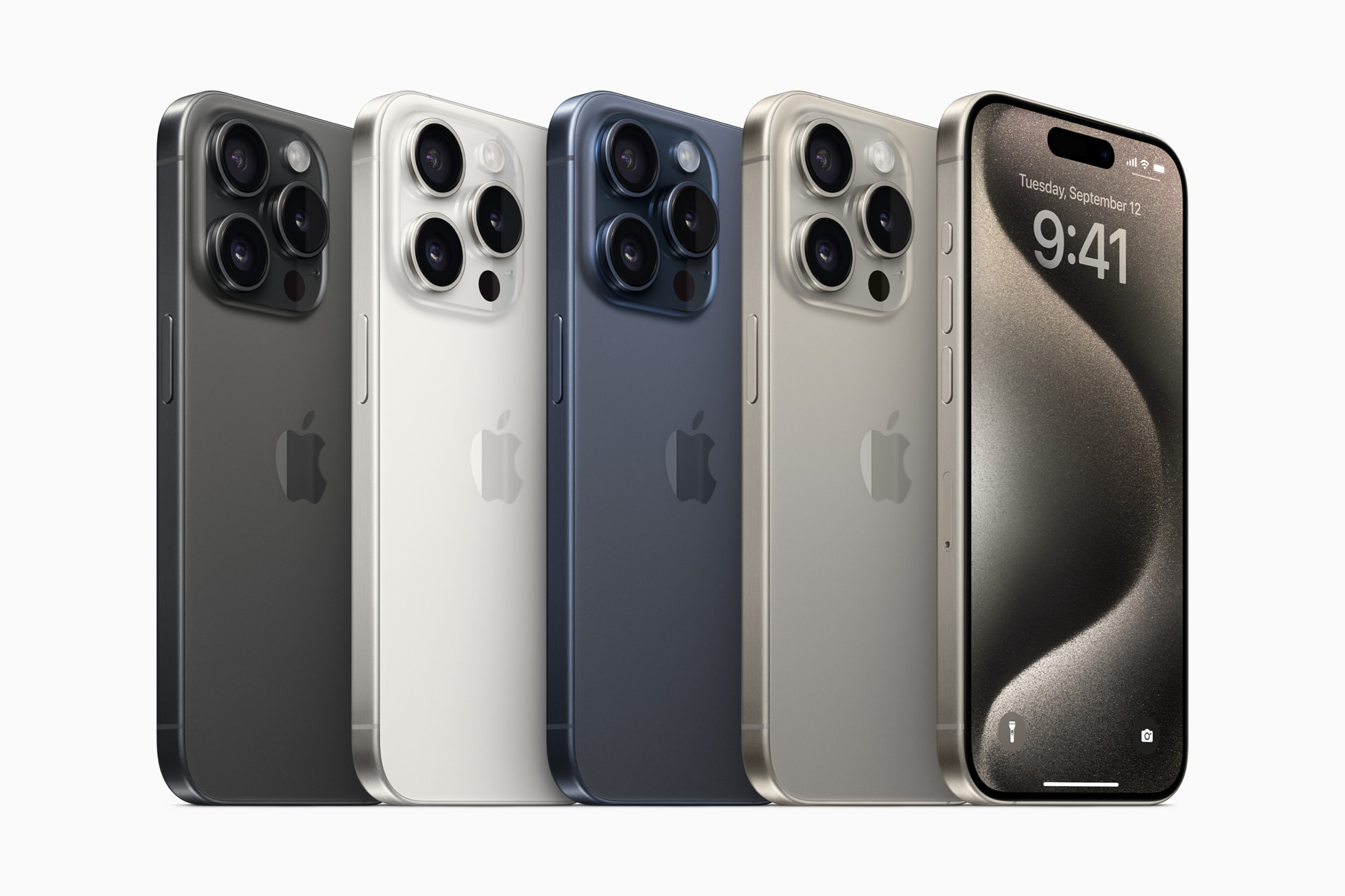
Tapping and holding on a specific area of the viewfinder locks both focus and exposure. By dragging the exposure slider down slightly, highlights in neon signs or window reflections retain their color detail rather than blowing out into harsh white patches. This simple adjustment preserves the moody atmosphere inherent to evening and nighttime environments.
Leveraging Native Software Features and Third-Party Apps
Modern mobile operating systems feature built-in computational photography frameworks designed to process raw data before saving the final compressed file. Utilizing Apple’s native Camera app guarantees seamless integration with the device’s neural engine, which automatically applies noise reduction algorithms specifically tailored to the device’s focal length.
For advanced control, third-party applications allow users to override automatic ISO limits and shutter speeds completely. Restricting the ISO to lower values prevents digital noise from creeping into dark skies, though it necessitates a sturdy tripod to compensate for the slower shutter speed required to balance the exposure triangle.
Next Steps for Mobile Photographers
The best way to improve evening imagery is consistent practice across varying lighting conditions, from brightly lit urban alleys to pitch-dark rural landscapes. Creators should consult official Apple support documentation for device-specific software updates and camera settings guides to stay informed on the latest computational photography tools. Share your own low-light shooting tips or questions in the comments below to join the discussion.
Worth a look