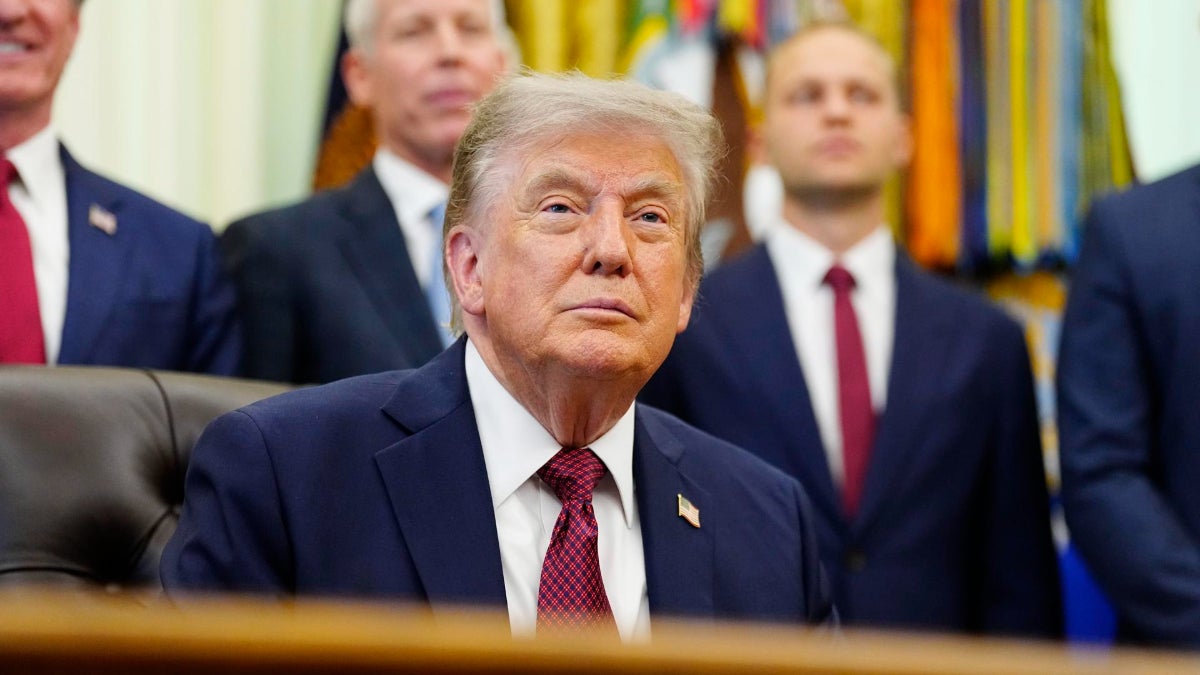
President Donald Trump announced a temporary halt to military strikes against Iran, signaling a shift toward high-stakes diplomacy while maintaining that robust military options remain on the table should negotiations fail. The development follows an intense period of regional escalation that has drawn close scrutiny from international markets, diplomatic corps, and defense analysts monitoring the stability of the Middle East.
Speaking on diplomatic channels, the administration confirmed that ongoing dialogue is actively exploring pathways to de-escalate tensions. According to statements reviewed by global news agencies, the suspension is conditioned entirely on the progress of current diplomatic exchanges aimed at curbing regional conflicts and addressing long-standing security disputes.
“Estamos en conversaciones muy profundas con Irán. Si no dan resultado, volveremos a las acciones militares contundentes”, declaró el mandatario, delineando la postura estricta de Washington mientras los negociadores evalúan las respuestas de Teherán en medio de un frágil equilibrio geopolítico.
Market observers and global energy traders have reacted swiftly to the shifting posture. Crude oil benchmarks experienced notable volatility following the announcement, reflecting deep sensitivity to any potential disruption in critical shipping lanes such as the Strait of Hormuz. International policymakers are currently working to verify the scope of the talks, while regional capitals weigh the implications of a renewed push for a diplomatic framework.
Diplomatic Channels and the Ultimatum on Military Action
The pivot from active airstrikes to intensive negotiations represents a critical juncture in U.S.-Iran relations. White House officials have emphasized that while dialogue is the current priority, the pause is not an abandonment of deterrence. Defense Department planners have maintained readiness across regional command structures, ensuring that operational capabilities remain intact if diplomatic channels break down.
European and Middle Eastern intermediaries have reportedly facilitated behind-the-scenes communications to keep both nations engaged. However, skepticism remains high among regional experts who note that deep-seated disagreements regarding nuclear enrichment programs and proxy group activities continue to threaten the durability of any emerging accord. Analysts from leading research institutions point out that bridging these gaps will require verifiable concessions from Tehran that go beyond preliminary talks.
Global Market Reactions and Energy Security
Energy markets have responded immediately to the news of halted bombardments. Brent crude and West Texas Intermediate futures saw downward pressure as the immediate risk of a wider regional conflagration receded slightly. Nonetheless, energy analysts caution that structural volatility will persist as long as the ultimatum remains active.
Shipping firms operating in the Persian Gulf and the Gulf of Oman are maintaining heightened security protocols despite the pause in hostilities. Insurance underwriters continue to price in elevated risk premiums for vessels transiting the region, underscoring the reality that commercial confidence has not yet fully recovered from recent military exchanges.
Next Steps in the Regional Crisis
As diplomatic delegations continue their work, international monitors are closely watching for any formal milestones or scheduled briefings from the White House and the State Department. Observers expect further updates regarding the status of the negotiations as the administration evaluates whether Tehran’s engagement meets the threshold required to sustain the suspension of military operations.
We invite our readers to share their analysis and perspective on these developments in the comments below. For ongoing updates on global markets and international security policy, subscribe to our daily briefings.
Keep reading
- Inside ICE’s Secret Surveillance: How Agents Are Tracking Protesters and Using AI Databases
- Market Crash: Global Risks vs. Semiconductor Investment Trends
- Toronto Fire Chief Warns of E-Bike Dangers After Scarborough Battery Blast (archyworldys.com)
- Trump to Meet Zelensky at White House Amid Shift Toward Military Cooperation (time.news)