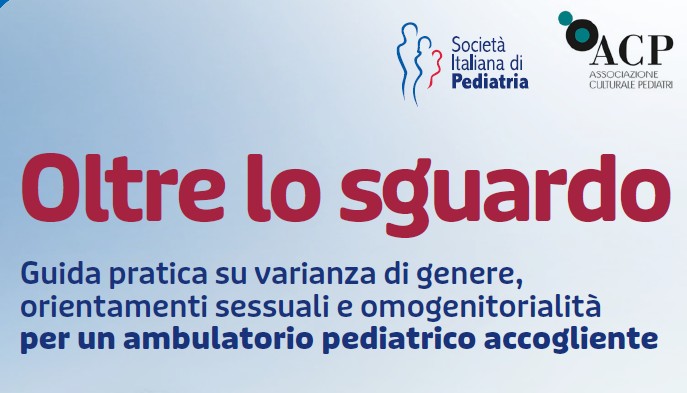
The Italian Society of Pediatrics (SIP) and the Italian College of Pediatricians (ACP) have formally responded to the Garante per l’infanzia e l’adolescenza (Childhood and Adolescence Ombudsman) regarding a contested clinical guide on gender dysphoria. The medical organizations assert that the guidelines do not assign pediatricians the role of defining a child’s identity, nor do they provide pharmacological protocols or treatment recommendations.
The dispute centers on the role of primary care providers when managing children and adolescents experiencing gender-related distress. According to statements from the SIP and ACP, the contested documents are intended as supportive frameworks rather than prescriptive medical mandates. The organizations maintain that the guidance emphasizes a multidisciplinary approach, directing complex cases to specialized centers rather than managing hormonal or surgical interventions in a primary care setting.
This institutional clash follows concerns raised by the Ombudsman regarding the potential for premature medicalization of gender identity in minors. The SIP and ACP argue that the guidance is designed to ensure that pediatricians can recognize signs of distress and provide an initial point of contact, while strictly adhering to established safety boundaries and the necessity of specialist psychiatric and endocrine oversight.
Clarification on the Role of Pediatricians in Gender Identity
The SIP and ACP have clarified that the pediatrician’s function is not to diagnose or determine the gender identity of a patient. Instead, the role is focused on the holistic health of the child and the identification of psychological or social distress that may require specialized intervention. According to the organizations, the guidelines specify that the pediatrician serves as a gateway to specialized care, ensuring that children are referred to multidisciplinary teams capable of conducting comprehensive assessments.
The medical societies emphasize that the guidance does not contain “pharmacological protocols,” which are the specific medical instructions for administering drugs. By stating that no treatment recommendations are included, the SIP and ACP aim to distance the primary care role from the administration of puberty blockers or hormone replacement therapy, which are regulated under strict clinical protocols in specialized university or hospital settings.
The Ombudsman’s Concerns and the Regulatory Conflict
The Garante per l’infanzia e l’adolescenza raised objections based on the protection of minors and the risk of implementing medical paths that could be irreversible. The Ombudsman’s office has questioned whether the guidelines provide sufficient safeguards against the “affirmation-only” model, which some critics argue may overlook co-occurring mental health issues or the fluid nature of adolescent identity.
In response, the SIP and ACP maintain that their approach is grounded in the principle of the “best interest of the child.” They argue that ignoring a child’s expressed gender dysphoria can lead to severe psychological outcomes, including increased risks of depression and self-harm. The medical organizations contend that providing a structured path for referral is a protective measure, not a promotional one.
Clinical Standards for Gender Dysphoria in Italy
Medical management of gender dysphoria in Italy generally follows a tiered approach. Primary care physicians identify the need for support, followed by psychological evaluation, and finally, if appropriate, medical intervention. The SIP and ACP assert that the guidelines in question align with these established tiers, ensuring that no medical transition occurs without a rigorous, multi-stage diagnostic process conducted by experts in pediatric endocrinology and psychiatry.
The tension between the Ombudsman and the medical societies reflects a broader European debate on the “medicalization” of gender identity. While some regions have moved toward a more cautious, therapy-first approach, the SIP and ACP argue that a supportive, multidisciplinary framework is essential for the safety and well-being of the adolescent population.
The next step in this process involves the review of the Ombudsman’s formal feedback by the medical boards to determine if the language of the guidelines requires further refinement to prevent clinical misinterpretation. Further updates on the status of these guidelines will be issued following the next scheduled review by the national health regulatory bodies.
We invite readers to share their perspectives on the balance between primary care and specialized intervention in adolescent health in the comments below.
Related reading