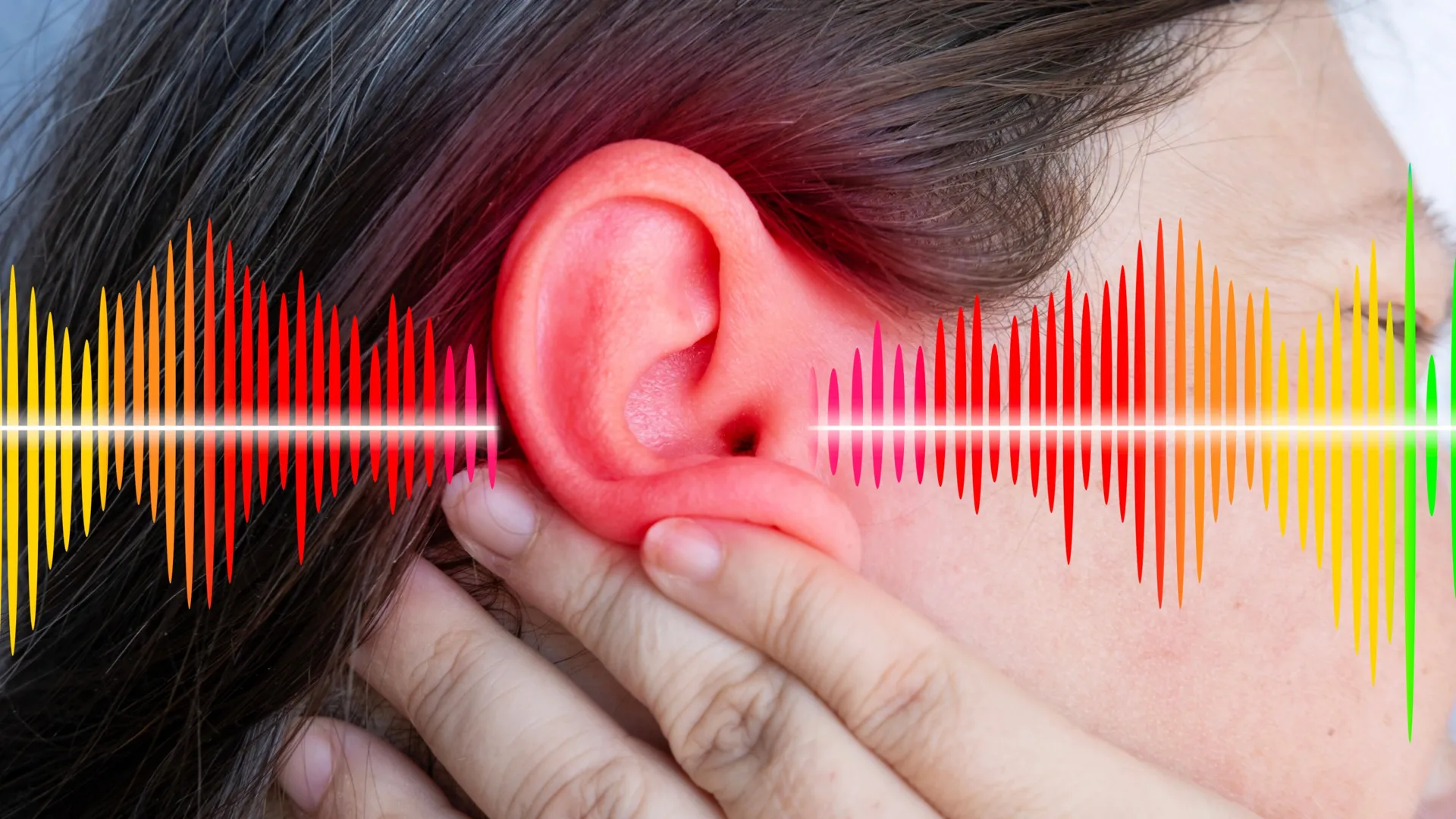
For millions of people around the world, the silence of the night is never truly silent. Instead, it is filled with a persistent, often maddening ring, buzz, or hiss—a phenomenon known as tinnitus. While the condition is frequently managed through psychological coping mechanisms or sound therapy, a new scientific discovery is turning our understanding of the brain’s chemistry on its head. The very chemical used to treat depression and anxiety may, in some instances, be turning up the volume on the phantom noise.
New research has identified a potential link between serotonin—the neurotransmitter widely celebrated for its role in mood regulation—and the amplification of tinnitus. This discovery suggests that the “feel-good” chemical, which is the primary target of many common antidepressants, may actually trigger or worsen the perception of auditory distress through a specific neural circuit in the brain.
The findings, emerging from a collaborative effort between researchers at Oregon Health & Science University (OHSU) and Anhui University in China, provide a biological explanation for a phenomenon many patients have reported: the sudden or increased intensity of ear ringing following the commencement of Selective Serotonin Reuptake Inhibitor (SSRI) therapy. The study, published in the Proceedings of the National Academy of Sciences (PNAS), marks a significant step forward in mapping the complex intersection of mental health and sensory perception.
The Serotonin Paradox: Mood Regulation vs. Auditory Distress
To understand why this discovery is so significant, one must first look at the dual role of serotonin. In the complex landscape of the human brain, serotonin acts as a chemical messenger that helps regulate a vast array of functions, including mood, sleep, appetite, and cognitive processes. Because low levels of serotonin are closely associated with depression and anxiety disorders, the medical community has long relied on SSRIs to increase the availability of this chemical in the synaptic gaps between neurons.
However, the brain is not a collection of isolated systems; it is a highly interconnected web. The same neurotransmitter that stabilizes mood can also influence how the brain processes sensory information. For individuals suffering from tinnitus—a condition estimated to affect as many as 14% of the global population—the brain is already struggling to filter out “phantom” sounds that have no external source. The research suggests that by increasing serotonin levels, the brain may inadvertently sensitize the circuits responsible for these auditory hallucinations.
As a physician, I have frequently observed the delicate balance required when treating patients with comorbid conditions. When a patient presents with both clinical depression and chronic tinnitus, the standard of care often involves SSRIs. If these medications exacerbate the tinnitus, it creates a difficult clinical paradox: treating the mental health symptom may inadvertently worsen the sensory one, potentially leading to increased distress and reduced quality of life.
Mapping the Circuit: How Researchers Uncovered the Link
The breakthrough was made possible through the use of advanced neuroscientific techniques, specifically optogenetics. This method involves using light-based stimulation to control the activity of specific neurons within living tissue. By using precisely tuned light to activate or inhibit serotonin-producing cells, the research team was able to observe the direct impact of serotonin on behavior in mouse models.
The researchers identified a specific serotonin-driven circuit that is directly linked to tinnitus-like behaviors. When serotonin levels were increased within this specific pathway, the mice exhibited behaviors consistent with auditory distress. This level of precision allows scientists to move beyond mere correlation—observing that serotonin and tinnitus exist in the same space—and toward causation, demonstrating that the chemical activity itself drives the sensation.
This methodology is revolutionary because it allows for the “tuning” of the brain. Instead of broadly increasing serotonin throughout the entire central nervous system, future therapeutic approaches might aim to target or dampen only the specific circuits that contribute to tinnitus, leaving the mood-regulating benefits of serotonin intact. This distinction between global serotonin levels and circuit-specific activity is the key to the next generation of neurological treatments.
Clinical Implications: What Which means for Patients and Providers
For patients currently managing tinnitus while undergoing treatment for mood disorders, these findings offer a degree of validation. Many individuals have reported that their “ringing” becomes more intrusive following changes in their psychiatric medication. While clinicians have often attributed this to stress or anxiety fluctuations, this research provides a tangible, biological mechanism that may explain the phenomenon.
these findings are based on animal models, and clinical application in humans will require further investigation. However, the implications for prescribing patterns are profound. We may see a shift toward more personalized psychiatric care, where physicians closely monitor auditory symptoms when initiating SSRI therapy. It also opens the door for “adjunct” therapies—medications or interventions that can counteract the tinnitus-inducing effects of serotonin without interfering with its antidepressant properties.
For the medical community, the challenge lies in balancing the necessity of mental health support with the management of sensory side effects. The goal is not to discourage the use of SSRIs, which remain life-saving for many, but to refine our understanding of how they interact with the sensory processing centers of the brain. This research provides a roadmap for how we might eventually treat tinnitus as a neurochemical imbalance rather than just an ear-related issue.
Key Takeaways
- The Serotonin Connection: Research suggests that serotonin, while vital for mood, may play a role in amplifying the perception of tinnitus.
- Circuit-Specific Activity: Scientists identified a specific serotonin-driven neural circuit that is directly linked to tinnitus-like behaviors in animal models.
- The SSRI Link: The findings may explain why some patients experience increased ear ringing when taking Selective Serotonin Reuptake Inhibitors (SSRIs).
- Advanced Methodology: The study utilized optogenetics—light-based brain stimulation—to achieve high levels of precision in identifying these neural pathways.
- Global Impact: With tinnitus affecting approximately 14% of the global population, understanding its neurochemical drivers is a high priority for public health.
As we move forward, the focus of neurological research will likely shift toward these highly specific “micro-circuits.” The ability to manipulate brain chemistry with such surgical precision could eventually lead to treatments that provide relief from the debilitating noise of tinnitus without compromising mental well-being.

Clinical researchers are expected to continue investigating these pathways in more complex models to determine how closely the mouse circuits mirror human auditory processing. We await further peer-reviewed studies that will translate these laboratory successes into bedside clinical guidelines.
Do you or a loved one experience changes in tinnitus while managing mental health? We invite you to share your experiences and join the conversation in the comments below. Please share this article to help raise awareness about the complex link between mood, and hearing.
Worth a look