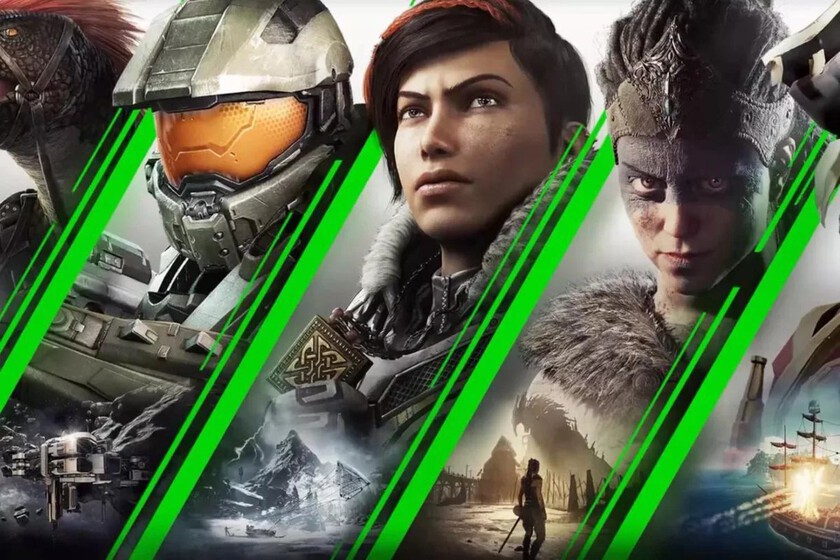
When Microsoft launched Xbox Game Pass, the subscription service was heralded not just as the future of Xbox, but as a potential paradigm shift for the entire video game industry. Promoted as “Netflix for games,” the platform promised unprecedented value by offering day-one access to major first-party titles and a sprawling library for a flat monthly fee. Yet, as hardware sales plateau and publisher strategies shift, the service faces a structural challenge that goes far beyond a simple lack of software releases. The core obstacle for Xbox Game Pass is not a shortage of games, but a fundamental miscalculation by Microsoft regarding consumer conversion economics and ecosystem lock-in.
Industry analysts point out that while subscriber growth surged during its initial rollout, hitting milestones reported by various market researchers, sustaining high-cost production models on subscription revenue alone has proven complex. Major publishers and platform holders alike have confronted the reality that convincing traditional console buyers to abandon $70 standalone purchases for a subscription model requires continuous, high-capital output that can strain profit margins. According to financial disclosures and industry reporting from outlets like Bloomberg and GamesIndustry.biz, the soaring development budgets of modern AAA titles demand broader multi-platform distribution to recoup costs—a strategy that has recently prompted Microsoft to bring several historically exclusive titles to competing platforms like PlayStation and Nintendo Switch.
To understand how Xbox Game Pass reached this critical juncture, it helps to examine the evolving mechanics of digital distribution, hardware pricing, and player retention in modern gaming. The platform’s trajectory reveals critical lessons about the limits of subscription-based gaming models in an era of escalating development costs.
The Economics of Day-One Releases and Rising Development Costs
The defining value proposition of Xbox Game Pass has always been day-one availability for first-party games. For players, paying a monthly fee to play blockbuster releases like Starfield or Halo Infinite on launch day represents an exceptional bargain. However, for a corporate balance sheet, funding a multi-year development cycle with hundreds of millions of dollars in costs relies heavily on subscription retention rather than direct point-of-sale revenue.
As detailed in reports by Reuters and corporate filings from Microsoft, sustaining this pipeline requires millions of active, paying subscribers who remain subscribed month after month. When subscriber growth slows—often plateauing as market penetration reaches saturation among dedicated console owners—the financial pressure mounts. Microsoft’s gaming division, under leadership including Xbox head Phil Spencer, has had to balance the consumer-friendly appeal of Game Pass with the hard financial realities of modern game development, where budgets frequently exceed $200 million per project.
This economic squeeze explains why Microsoft shifted toward a multi-platform content strategy. Bringing games to rival consoles is not necessarily an admission of hardware failure, but rather a financial necessity to offset the immense costs of game creation that subscription fees alone struggle to cover. The math behind AAA game development simply demands a wider net of paying customers.
Ecosystem Lock-In Versus Console Hardware Sales
Another critical miscalculation involved the assumption that a compelling subscription service would drive massive hardware adoption for Xbox Series X and Series S consoles. In previous console generations, hardware was often sold at or near a loss, with manufacturers recouping profits through software licensing fees—the traditional “razor and blade” business model.
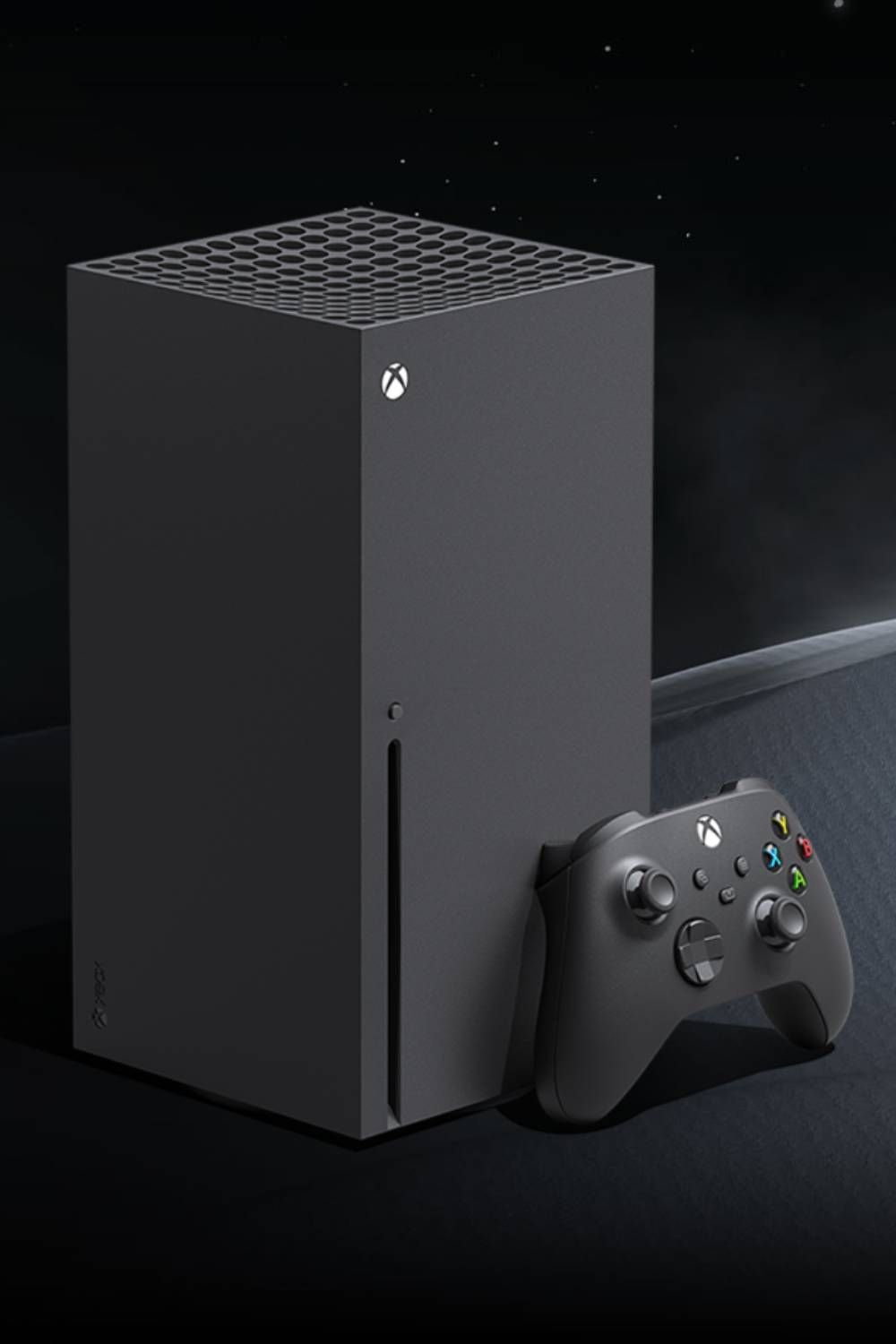
Game Pass disrupted this dynamic by decoupling software revenue from traditional console sales. When players can access first-party games on PC, older Xbox consoles, cloud-enabled smart TVs, and competing hardware via cloud streaming, the incentive to purchase new Microsoft hardware diminishes. According to hardware tracking data from firms like Circana (formerly NPD Group), current-generation Xbox console sales have lagged significantly behind historical competitors like the PlayStation 5, altering the competitive landscape of the console market.
Without a dominant hardware installed base, Microsoft’s ability to capture ecosystem revenue—such as microtransactions and third-party game sales commissions—is constrained. The strategy relied on the idea that getting users into the subscription funnel anywhere would eventually draw them into the hardware ecosystem. Instead, many players embraced Game Pass as a supplementary service rather than a reason to buy a dedicated Microsoft console.
What Lies Ahead for Xbox and Subscription Gaming
The path forward for subscription gaming requires careful recalibration. Microsoft has restructured subscription tiers, introducing pricing changes and altering perks—such as shifting day-one releases into higher-priced tiers like Xbox Game Pass Ultimate—to protect profit margins. These adjustments reflect an industry-wide realization that rapid, subsidized expansion cannot defy basic economic gravity indefinitely.
As regulatory bodies and industry watchers monitor the evolution of digital subscription models, the focus shifts to sustainability. For players and developers alike, the coming months will test whether refined pricing structures and selective multi-platform publishing can stabilize the subscription model. Official updates regarding Xbox strategy, subscriber milestones, and upcoming releases remain available through Microsoft’s official Xbox Wire news portal.
What are your thoughts on the evolution of game subscription services? Share your perspective in the comments below, and join the conversation on how digital distribution is shaping the future of play.
Keep reading