Ortega and Murillo Push Sweeping Seven-Year Terms
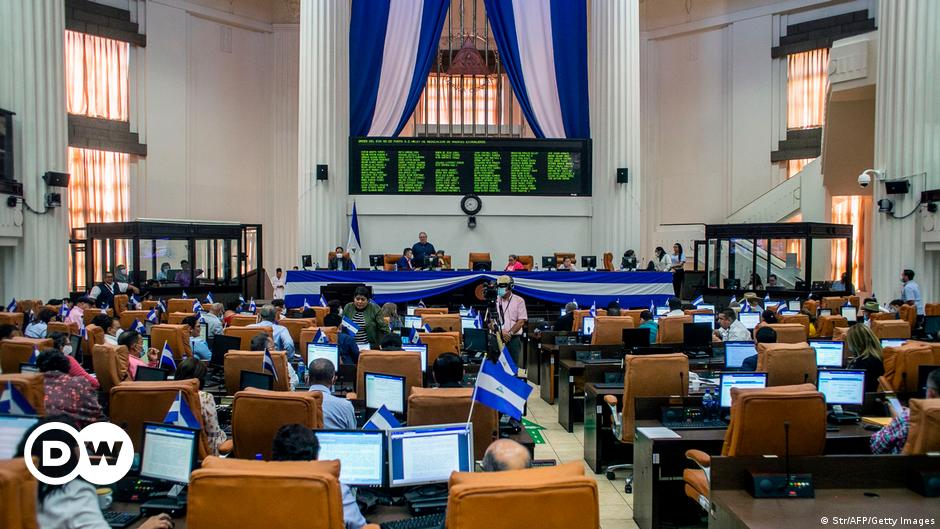
Nicaragua’s government has advanced a sweeping constitutional reform package designed to extend the presidential term to seven years and formally codify mechanisms to exclude political opponents from elections. Major international news outlets including Deutsche Welle report that the proposed changes consolidate sweeping executive authority under Daniel Ortega and Rosario Murillo.
The legislative adjustments redefine the executive branch and reshape the country’s institutional landscape.
State Media Attacks and Dissident Suppression
Rosario Murillo publicly defended the overhaul while condemning domestic critics, utilizing state media to label opposition figures as “vendepatria” or traitors to the homeland, as reported by Infobae.
Institutionalizing Dual Leadership and Subordinating State Bodies
Coverage by France 24 shows the legislative timetable was structured to move through the National Assembly. The timeline initially faced adjustments regarding candidate disqualification criteria, ensuring that legal hurdles against political opponents align with upcoming electoral cycles.
Formalizing Bans on Political Opponents
International news agencies, including El País, have documented how these measures formalize the disqualification of opposition candidates, building upon previous judicial rulings that dissolved major opposition parties and jailed prominent dissidents.
Global Condemnation and Unyielding Official Stance
Outlets such as ABC have highlighted how developments in Managua impact broader geopolitical dynamics in Latin America, signaling a deepening entrenchment of allied authoritarian regimes in the region.
Final Legislative Ratification in La Gaceta
The constitutional reforms are scheduled to undergo final legislative ratifications and formal publication in La Gaceta, the official state gazette, following procedural approvals by the National Assembly.
Worth a look