
The race to mass-produce 2nm mobile processors is accelerating as industry giants Qualcomm and MediaTek prepare their major autumn product showdowns. Semiconductor manufacturing advancements are shifting the landscape for next-generation smartphones, with foundries working to shrink transistor sizes to deliver substantial efficiency gains.
Qualcomm’s next flagship processor dimensions have surfaced in technical documentation, measuring 12.6 by 10.67 millimeters, according to Notebookcheck. At the same time, MediaTek is expanding its portfolio with multiple upcoming processors, including the anticipated MediaTek Dimensity 9600 line, as detailed by BlogNT. These developments underline a broader industry push toward advanced node architectures, where packaging, thermal management, and raw computing power dictate market leadership.
Beyond standard generational updates, component costing remains a critical pressure point for original equipment manufacturers. Recent supply chain analysis from Samsung-focused reporting indicates that premium processors alone could approach a 300-dollar unit cost for ultra-tier devices like the forthcoming Galaxy S27 Ultra, driving up total bill-of-materials expenses for consumer brands.
Qualcomm Prepares 2nm Flagship Silicon
Qualcomm continues to refine its next-generation architecture following the rollout of early Elite-tier platforms. Industry tracking highlights variant revisions, such as the Snapdragon 8 Elite Gen 6 Pro, which introduces targeted optimizations across its graphics processing unit and on-device artificial intelligence blocks, according to coverage by Vietnam.vn. These silicon adjustments aim to maintain high thermal efficiency while sustaining peak clock speeds under heavy workloads.
The physical footprint of Qualcomm’s upcoming flagship chip—measured precisely at 12.6 × 10.67 mm—reflects the complex engineering required to integrate advanced neural processing units alongside multi-core CPU clusters. As mobile operating systems demand heavier on-device machine learning tasks, silicon designers are allocating more die area to specialized AI hardware without sacrificing battery life.
MediaTek Counters With Dimensity 9600 Series
MediaTek is mounting a robust challenge in the upper-mid-range and flagship segments through its upcoming silicon family. Reporting from BlogNT indicates that the company is lining up three new processors, anchored by the development of the MediaTek Dimensity 9600. These chipsets target aggressive performance-per-watt metrics, leveraging refined manufacturing nodes to compete directly with Qualcomm’s top-tier offerings.
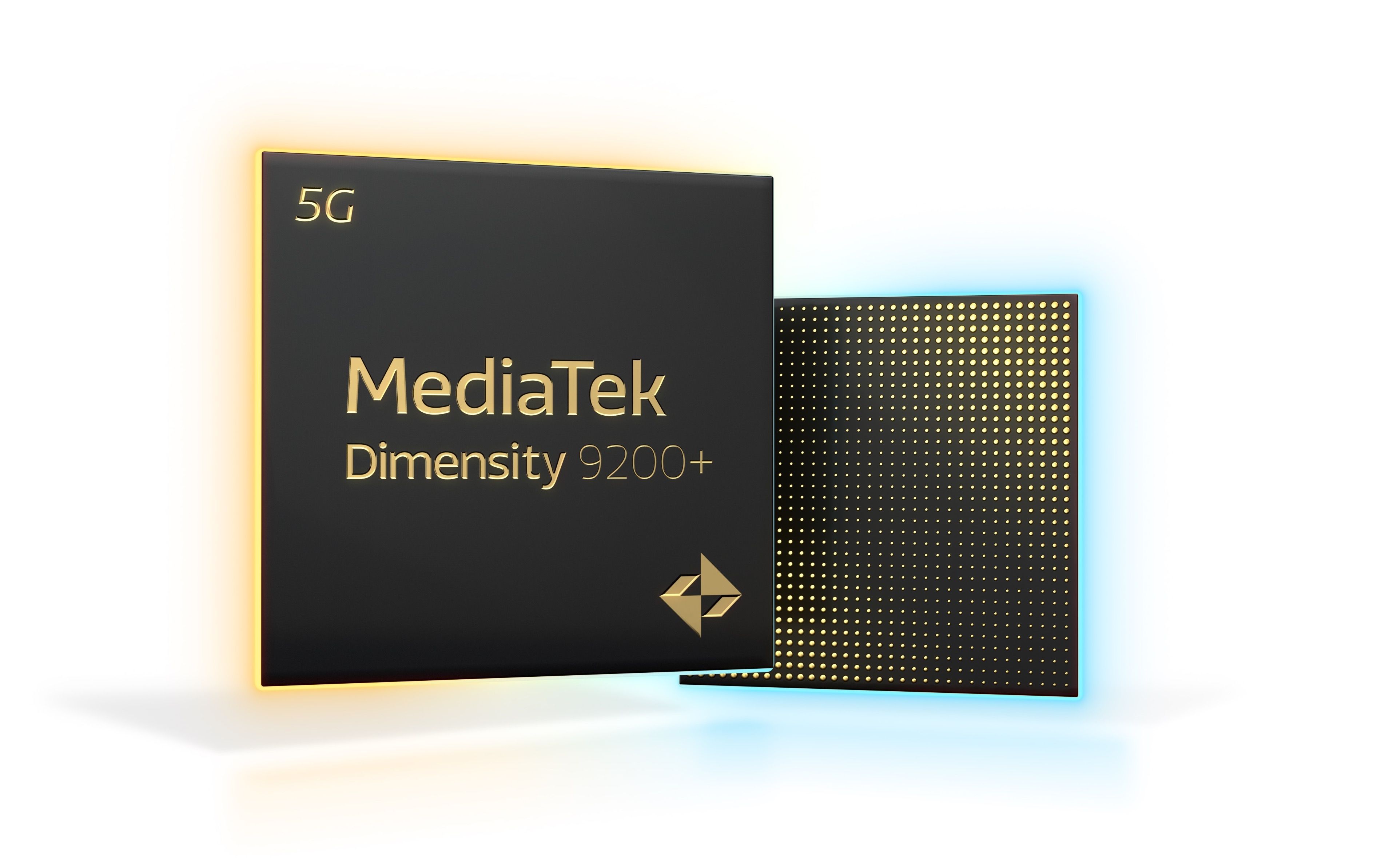
The aggressive cadence from MediaTek demonstrates its intent to secure design wins across major global smartphone vendors.
Component Costs and Flagship Pricing Pressures
The transition to cutting-edge semiconductor nodes carries steep financial implications for device makers and consumers alike. Specialized manufacturing capacity at advanced foundries remains constrained, pushing wafer costs upward. According to insights published by Samsung-focused media, the cost for the core processor alone in top-tier configurations like the prospective Galaxy S27 Ultra is projected to hit 300 dollars.
These rising component expenditures force manufacturers to weigh whether to absorb margin compression or pass expenses along to buyers. As mobile processors incorporate more complex neural engines and larger transistor counts, the baseline cost of building a true flagship smartphone continues to climb across the industry.
Next Steps in the Autumn Silicon Clash
The coming months will bring official technical unveilings and benchmark reveals as both companies detail their production timelines. Industry observers will monitor official vendor keynotes and quarterly earnings calls for concrete release dates, device partnership announcements, and finalized power consumption specifications. Readers seeking real-time developments can track official newsrooms from Qualcomm and MediaTek for verified product launches.