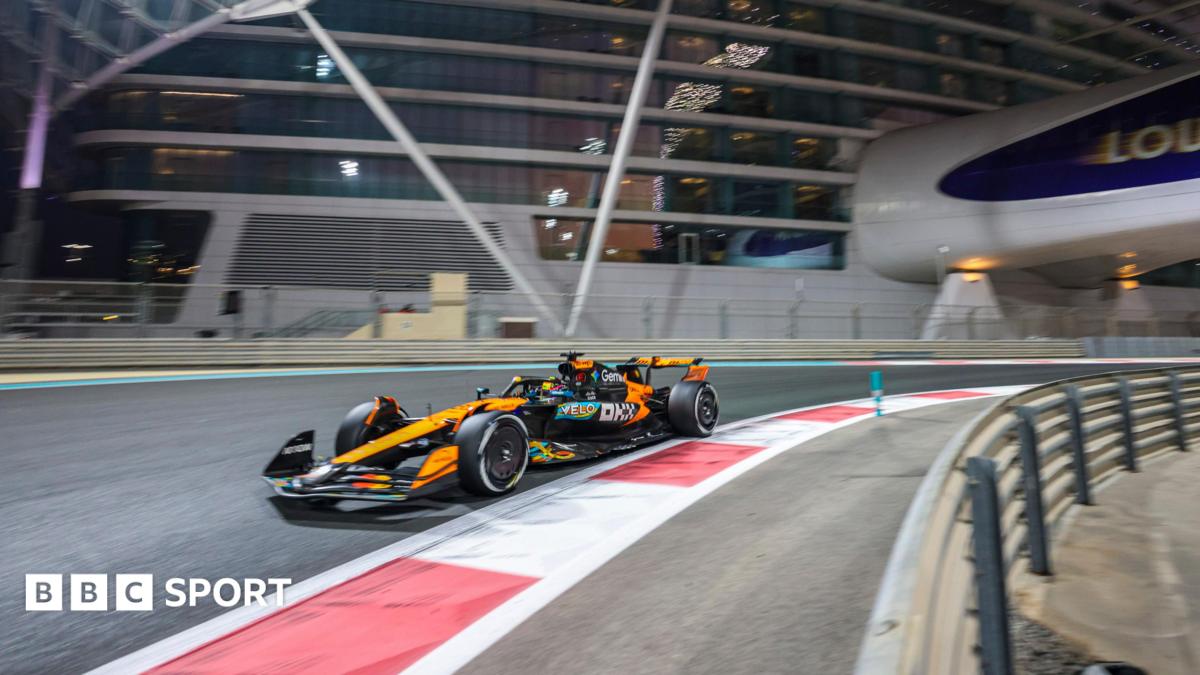
Formula 1 president Stefano Domenicali has warned that the 2026 world championship could conclude in Europe if ongoing conflict in the Middle East prevents the running of the season-ending grands prix in Qatar and Abu Dhabi. According to reports from major motorsport news outlets, the motorsport executive addressed the logistical vulnerabilities facing the latter stages of the calendar during discussions regarding global sporting security.
The 2026 Formula 1 season features a sprawling record-breaking schedule that culminates in the Gulf region, traditionally hosting the final rounds under floodlights. However, persistent geopolitical instability across the Middle East has forced championship organizers to weigh contingency plans. Domenicali emphasized that while the preference remains to fulfill all scheduled contractual obligations, the safety of teams, personnel, and traveling fans dictates a strict operational threshold.
Formula 1 management routinely coordinates with international security consultants and local authorities to monitor regional developments. The late-season double-header at the Lusail International Circuit in Qatar and the Yas Marina Circuit in Abu Dhabi represents crucial commercial and sporting milestones for the championship. If these rounds face cancellation due to escalating conflict, series stakeholders must pivot quickly to alternative European venues capable of hosting Formula 1 machinery on short notice.
Logistical Challenges and Calendar Pressures
Executing a sudden relocation of Formula 1’s final races presents immense logistical hurdles. Freight transport in modern motorsport operates on rigid, tightly timed sea and air schedules, moving thousands of tons of equipment across continents. Shifting the season finale back to Europe at the eleventh hour would require unprecedented coordination between freight partners, the Fédération Internationale de l’Automobile (FIA), and participating constructors.
European circuits such as Circuit de Barcelona-Catalunya, Circuit Paul Ricard, or alternative regional tracks could theoretically step in, though weather conditions in November and December present severe temperature and rain challenges for current-generation Pirelli slick tires. Formula 1 has not hosted a championship round in Europe that late in the calendar year in decades, making winter testing infrastructure an essential consideration for team garages.
Impact on the 2026 World Championship Battle
A truncated or relocated finish to the 2026 season would also alter the competitive dynamics of a championship debuting sweeping new power unit and active aerodynamic regulations. Teams are currently investing heavily in development trajectories tailored to specific track layouts in the Middle East, where long straights and heavy braking zones test thermal efficiency and energy recovery systems.
Shifting those decisive showdowns to traditional European circuits—often characterized by higher downforce demands and technical cornering sequences—could radically shift the competitive order during the dying moments of a title fight. Drivers and team principals have noted that championship integrity relies heavily on a stable, predictable calendar structure.
Next Steps and Official Schedule Updates
Formula 1 governance will continue monitoring security assessments across the Middle East ahead of the 2026 campaign. The FIA World Motor Sport Council holds ultimate authority over calendar amendments, and any formal decision to alter the season finale will rely directly on official government travel advisories and risk evaluations.
Readers seeking official updates, calendar changes, and verified announcements can consult the official Formula 1 website or follow future bulletins released by the FIA. Share your thoughts on the 2026 calendar adjustments in the comments below.
Worth a look