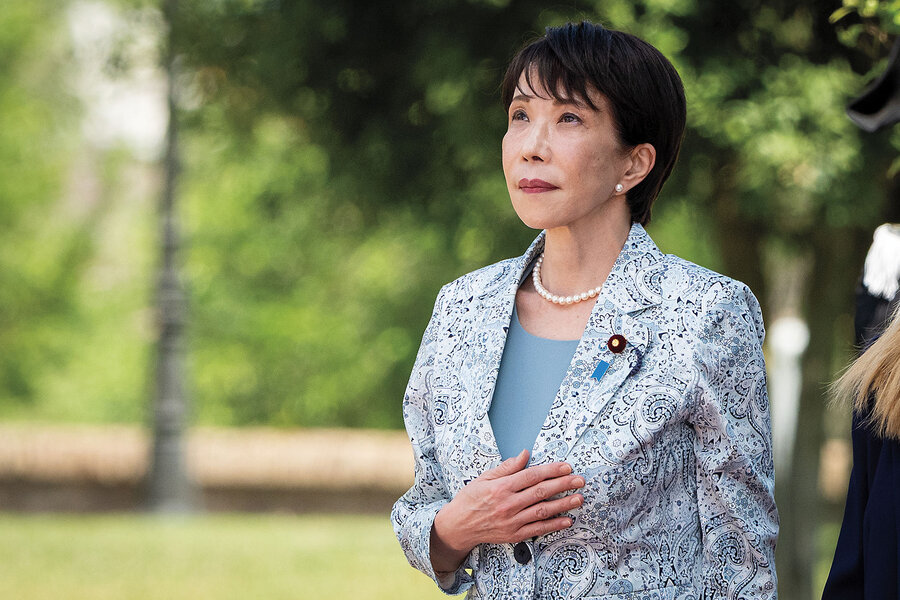
One year after securing her historic ascent to lead Japan’s government, Prime Minister Sanae Takaichi faces a complex matrix of domestic economic strains, regional security friction with Beijing, and high-stakes diplomatic maneuvering alongside Washington. Takaichi, who took office following a fiercely contested leadership race within the Liberal Democratic Party, has spent her first twelve months steering the world’s fourth-largest economy through persistent inflation, mounting defense obligations, and tense cross-border relations in East Asia.
The administration’s opening year has tested the political resilience of Japan’s first female prime minister. As global supply chains shift and regional security dynamics evolve, Takaichi’s cabinet has had to balance traditional conservative foreign policy stances with immediate fiscal demands from a domestic electorate grappling with the rising cost of living.
Economic Pressures and Fiscal Policy Challenges
At home, Takaichi’s administration has confronted stubborn inflationary pressures that continue to erode household purchasing power. According to economic data tracked by the International Monetary Fund, Japan’s economic growth has remained modest as wage increases struggle to consistently outpace consumer price hikes.
Business leaders and financial analysts point out that the Prime Minister’s economic strategy relies heavily on targeted fiscal stimuli and measures aimed at boosting domestic semiconductor manufacturing and technological resilience. However, persistent weakness in the Japanese yen against major foreign currencies has complicated import costs for energy and raw materials. The Bank of Japan has maintained a cautious approach to monetary normalization, creating ongoing dialogue between fiscal policymakers in the Takaichi cabinet and central bank leadership over interest rate trajectories.
Small and medium-sized enterprises, which form the backbone of Japan’s domestic economy, have experienced acute margin pressures. In response, the government has rolled out supplementary budget allocations designed to cushion vulnerable sectors against utility spikes and supply chain volatility.
Navigating the U.S.-Japan Security Partnership
On the international front, Takaichi has worked to reinforce Tokyo’s primary security alliance with the United States amidst a rapidly shifting Indo-Pacific threat environment. Defense policy discussions between Tokyo and Washington have focused heavily on joint deterrence capabilities, defense industrial cooperation, and regional interoperability.
The alliance faces structural challenges regarding defense spending targets and burden-sharing arrangements. Security analysts note that under Takaichi’s leadership, Japan has continued implementing its previously established roadmap to increase national defense expenditures toward two percent of gross domestic product, a significant policy shift aimed at deterring regional coercion.
Frequent diplomatic engagements between Tokyo and Washington officials have emphasized maintaining a free and open Indo-Pacific. Both governments coordinate closely on maritime security in the East and South China Seas, where maritime patrols and territorial disputes remain flashpoints.
Managing Tensions with Beijing
Simultaneously, Takaichi’s first year has been marked by delicate diplomatic friction with China, Japan’s largest trading partner. Tensions have flared over regional territorial disputes, maritime incursions near the Senkaku Islands, and broader geopolitical alignments.
Beijing has voiced persistent objections to Tokyo’s deepening security cooperation with Western allies and regional partners like South Korea and Australia. Despite these friction points, trade channels between Japan and China remain vital. Business lobbies in Tokyo have repeatedly pressed for stable diplomatic channels to prevent economic retaliation or supply chain disruptions from impacting Japanese manufacturing sectors dependent on Chinese inputs.
Takaichi’s foreign ministry has maintained a dual-track posture: maintaining firm deterrence on sovereignty issues while keeping diplomatic communication channels open with Beijing to manage crises and prevent accidental military escalations.
Outlook and Upcoming Policy Milestones
As Takaichi enters her second year in office, attention shifts toward upcoming legislative sessions and budget negotiations in the National Diet. The administration faces upcoming political tests regarding energy transition policies, demographic decline mitigation strategies, and further implementation of national security updates.
Official updates and legislative schedules for the National Diet can be tracked directly through the House of Representatives of Japan portal as the government prepares its next major policy addresses and fiscal proposals.
Related reading