Rising geopolitical friction across the Middle East has intensified following a series of coordinated military escalations involving regional militias, state security forces, and critical energy infrastructure. According to regional reports and international news wire services, security incidents across Iraq, Jordan, and Saudi Arabia have heightened concerns over wider regional destabilization. The developments follow reported security engagements targeting factions aligned with Tehran, alongside subsequent defensive and offensive counter-strikes that have impacted major economic assets.
Energy markets have reacted swiftly to disruptions in vital petroleum processing facilities, prompting energy analysts to warn of acute vulnerability within global supply chains. Governments across the region, alongside international bodies, are urging restraint to prevent a broader military confrontation.
Military Engagements and Security Incidents in Iraq and Jordan
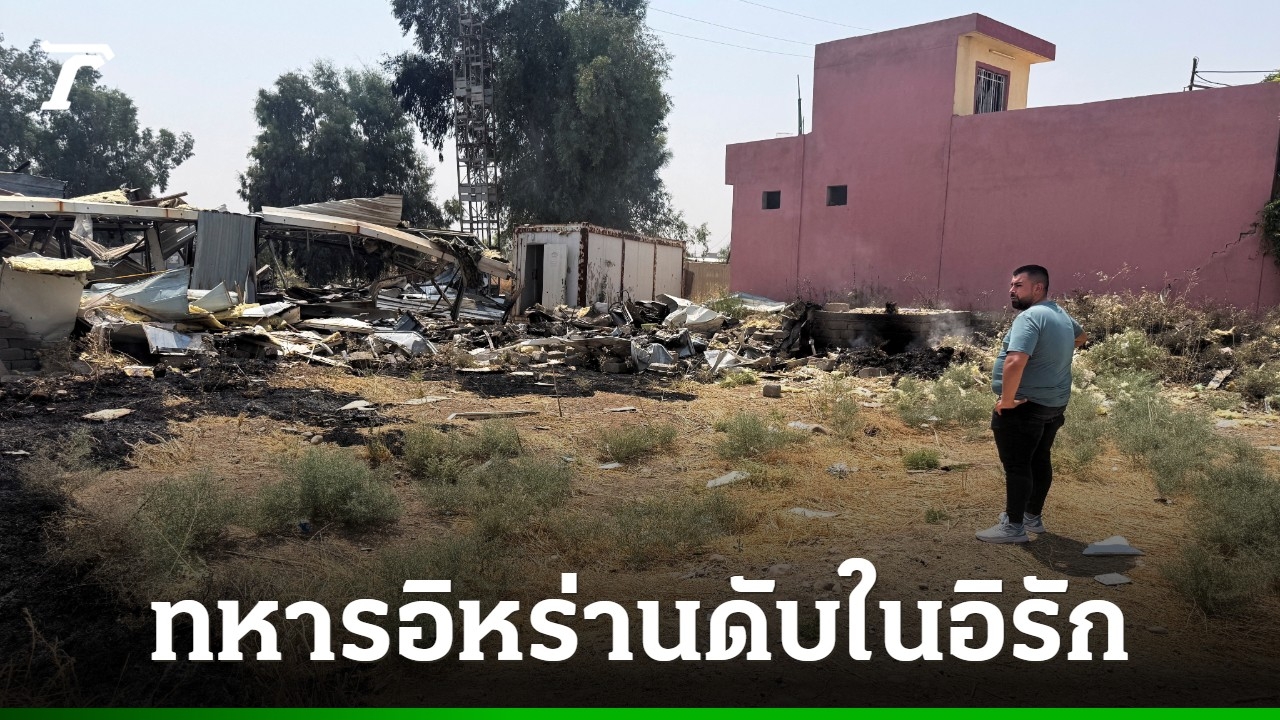
Security developments in Iraq escalated following reported military actions directed at groups maintaining close ties to Iran. Concurrently, state media outlets and regional monitors have reported casualties among regional paramilitary networks, including assertions from Iranian quarters regarding personnel losses within the Islamic Revolutionary Guard Corps (IRGC).
The operational theater expanded further when military installations in Jordan faced direct attacks. The incidents underscore the trans-national nature of the current security crisis, as non-state actors and proxy networks demonstrate extended reach across multiple sovereign borders.
Impact on Global Energy Infrastructure and Markets
The security fallout has directly touched critical energy assets, most notably in Saudi Arabia. The temporary shutdown of major processing capacity sent immediate shockwaves through international crude markets.
Energy security experts speaking to international media have characterized the vulnerability of processing hubs like Saudi Arabia’s Abqaiq facility—often referred to in industry analyses as a linchpin of global petroleum flow—as reaching its most precarious juncture in decades. Analysts note that even temporary outages at primary export and refinement nodes introduce severe pricing volatility and compel consuming nations to reassess strategic reserves.
Stakeholder Responses and Next Steps
International response has centered on emergency diplomatic engagements aimed at containing the military spillover. The United Nations Security Council and various regional foreign ministries have called for immediate de-escalation, emphasizing the necessity of protecting civilian populations and critical economic infrastructure from further harm.
Related reading