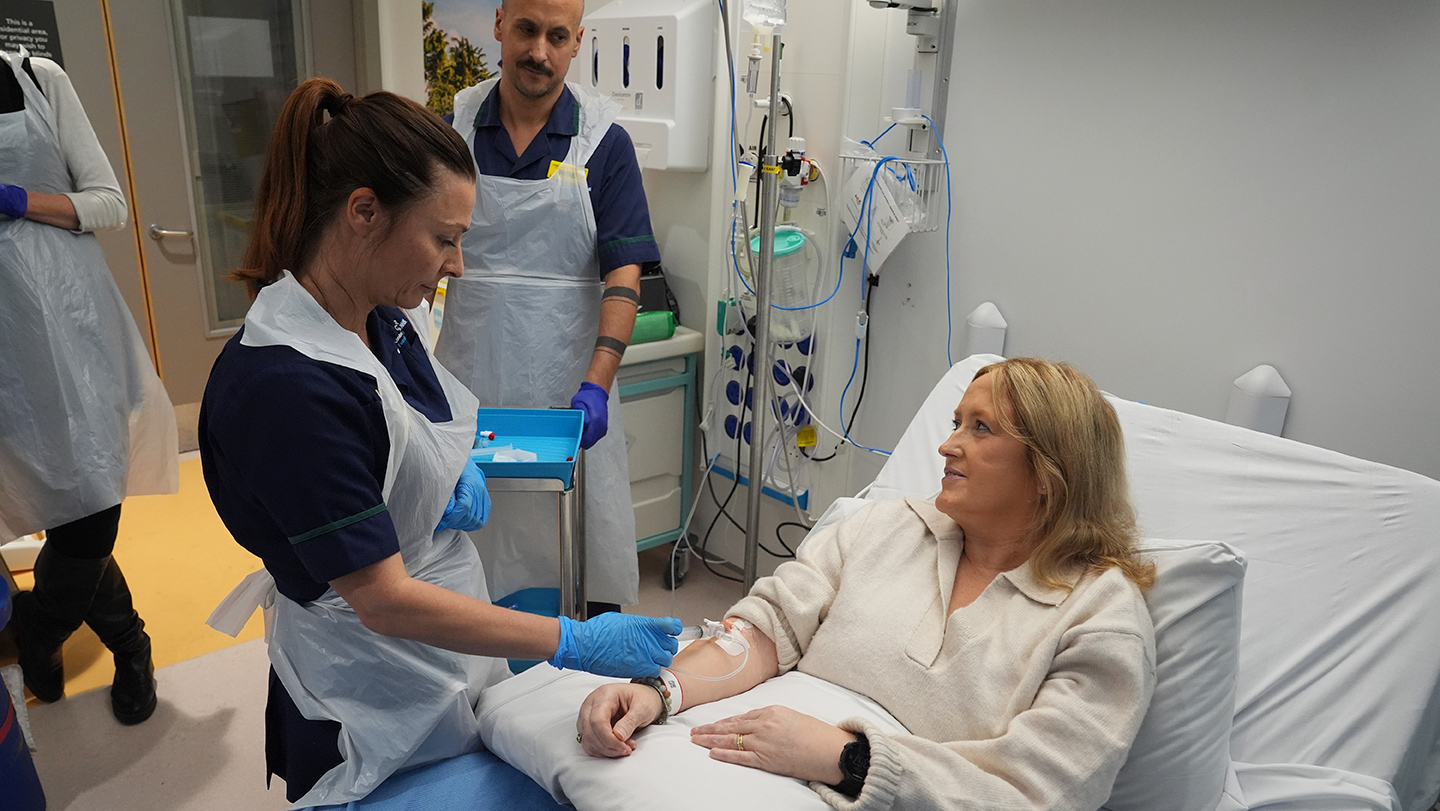
Women treated for severe autoimmune diseases with CAR T-cell therapy can achieve healthy pregnancies and deliver healthy newborns, according to clinical observations and case reports. This development suggests that the cellular reprogramming used to treat refractory autoimmune conditions does not necessarily impair female fertility or fetal development, providing a critical data point for patients of reproductive age.
Chimeric Antigen Receptor (CAR) T-cell therapy, originally developed to treat certain blood cancers, is now being applied to autoimmune diseases like systemic lupus erythematosus (SLE) and systemic sclerosis. Because the treatment involves modifying a patient’s own T-cells to attack specific B-cells, researchers have monitored whether this “reset” of the immune system impacts the ability to conceive or carry a pregnancy to term. Evidence now indicates that these patients can experience regular menstrual cycles and successful gestations following treatment.
The possibility of healthy pregnancies after CAR T-cell therapy marks a shift in the management of severe autoimmune disorders. For years, patients with these conditions relied on high-dose corticosteroids and chemotherapy-based immunosuppressants, many of which carry known risks to fertility and fetal health. The transition toward targeted cellular therapies offers a potential pathway to disease remission without the permanent reproductive compromise associated with some traditional regimens.
How CAR T-Cell Therapy Affects the Autoimmune System
CAR T-cell therapy works by extracting a patient’s T-cells and genetically engineering them to express a receptor that targets a specific protein—typically CD19—found on the surface of B-cells. According to reports from the Nature Portfolio, these engineered cells are infused back into the patient, where they eliminate the B-cells responsible for producing the autoantibodies that attack the body’s own tissues.
In the context of autoimmune diseases, this process is intended to “wipe the slate clean.” When the new B-cells eventually repopulate the bone marrow and bloodstream, they are often “naive,” meaning they have not yet developed the pathogenic memory that caused the disease. This differs from traditional immunosuppression, which suppresses the entire immune system indefinitely. By targeting only the B-cell lineage, CAR T-cell therapy aims for a deep, drug-free remission.
Medical teams have focused on whether the depletion of B-cells or the lymphodepleting chemotherapy used before the infusion (usually fludarabine and cyclophosphamide) causes long-term ovarian insufficiency. While chemotherapy can impact the ovarian reserve, clinical cases show that some women recover sufficient follicular activity to conceive naturally after the therapy has taken effect.
Pregnancy Outcomes and Fetal Health
Reports on pregnancies following CAR T-cell therapy indicate that the modified immune environment does not inherently prevent the implantation of an embryo or the maintenance of a pregnancy. In documented cases, women who achieved remission from severe lupus or other systemic autoimmune conditions have reported regular ovulatory cycles and successful conceptions without the need for assisted reproductive technology.
The health of the newborns in these cases has remained consistent with general population norms. There has been no reported evidence of the CAR T-cells crossing the placental barrier to affect the fetus, nor has there been evidence of the engineered cells causing an adverse immune reaction in the developing baby. This suggests that the therapy’s effects are localized to the mother’s immune system and do not induce heritable genetic changes in the offspring.
According to data analyzed by researchers in the field of cellular therapy, the primary concern during these pregnancies is not the CAR T-cells themselves, but the stability of the mother’s original autoimmune disease. Because the therapy can lead to a state of low disease activity or complete remission, the risk of pregnancy-induced flares—common in patients with active SLE—is significantly reduced.
Comparing CAR T-Cell Therapy to Traditional Immunosuppressants
The impact of CAR T-cell therapy on reproductive health stands in contrast to several long-term autoimmune treatments. Many patients have historically used cyclophosphamide as a primary treatment for lupus nephritis; however, this drug is known to cause premature ovarian failure in a percentage of women. CAR T-cell therapy uses a brief course of lymphodepletion, which is a different dosing strategy than the chronic or high-dose pulses used in traditional chemotherapy.
Furthermore, the use of biologics and corticosteroids often requires strict timing for discontinuation before attempting conception due to teratogenic risks (birth defects). CAR T-cell therapy, by potentially removing the need for these daily medications, allows women to enter pregnancy without the burden of systemic drug toxicity. This “drug-free” window is a primary goal of the treatment, as it removes the conflict between maintaining disease control and ensuring fetal safety.
Medical practitioners note that while the results are promising, the sample size of women undergoing CAR T-cell therapy for autoimmune diseases remains small compared to the broader population of lupus or sclerosis patients. Most of these cases are currently emerging from clinical trials and early-access programs rather than widespread commercial use.
Clinical Considerations for Patients
Despite the positive outcomes, physicians recommend a cautious approach to timing and monitoring for women of childbearing age. The period immediately following CAR T-cell infusion is characterized by intense immune activity and potential side effects, such as cytokine release syndrome (CRS), which would make pregnancy contraindicated during the acute phase of treatment.
Guidelines generally suggest waiting until the patient has achieved a stable state of remission and their B-cell counts have stabilized before attempting to conceive. This ensures that the mother’s body is not in a state of acute inflammation and that the “reset” of the immune system is complete. Regular prenatal screening remains mandatory to monitor for any atypical developments, although current data suggests no increased risk of congenital anomalies linked to the CAR T-cells.
Patients are encouraged to maintain a multidisciplinary care team including a hematologist, a rheumatologist, and an obstetrician specializing in high-risk pregnancies. This coordination is essential to monitor for the return of autoimmune markers during the hormonal shifts of pregnancy, which can occasionally trigger a relapse of the underlying disease.
As more data becomes available through long-term follow-up studies, the medical community expects to establish clearer timelines for when it is safe to conceive after cellular therapy. Current observations serve as a proof-of-concept that the “immune reset” provided by CAR T-cells is compatible with the biological demands of pregnancy and childbirth.
The next milestone for this research involves the publication of larger, multi-center cohort studies that will quantify the exact rates of fertility recovery and pregnancy success across different autoimmune pathologies. These findings will likely influence the official prescribing guidelines for CAR T-cell therapies in women of reproductive age.
We welcome your thoughts and experiences in the comments below. Please share this article with others who may find this medical advancement relevant.
Related reading