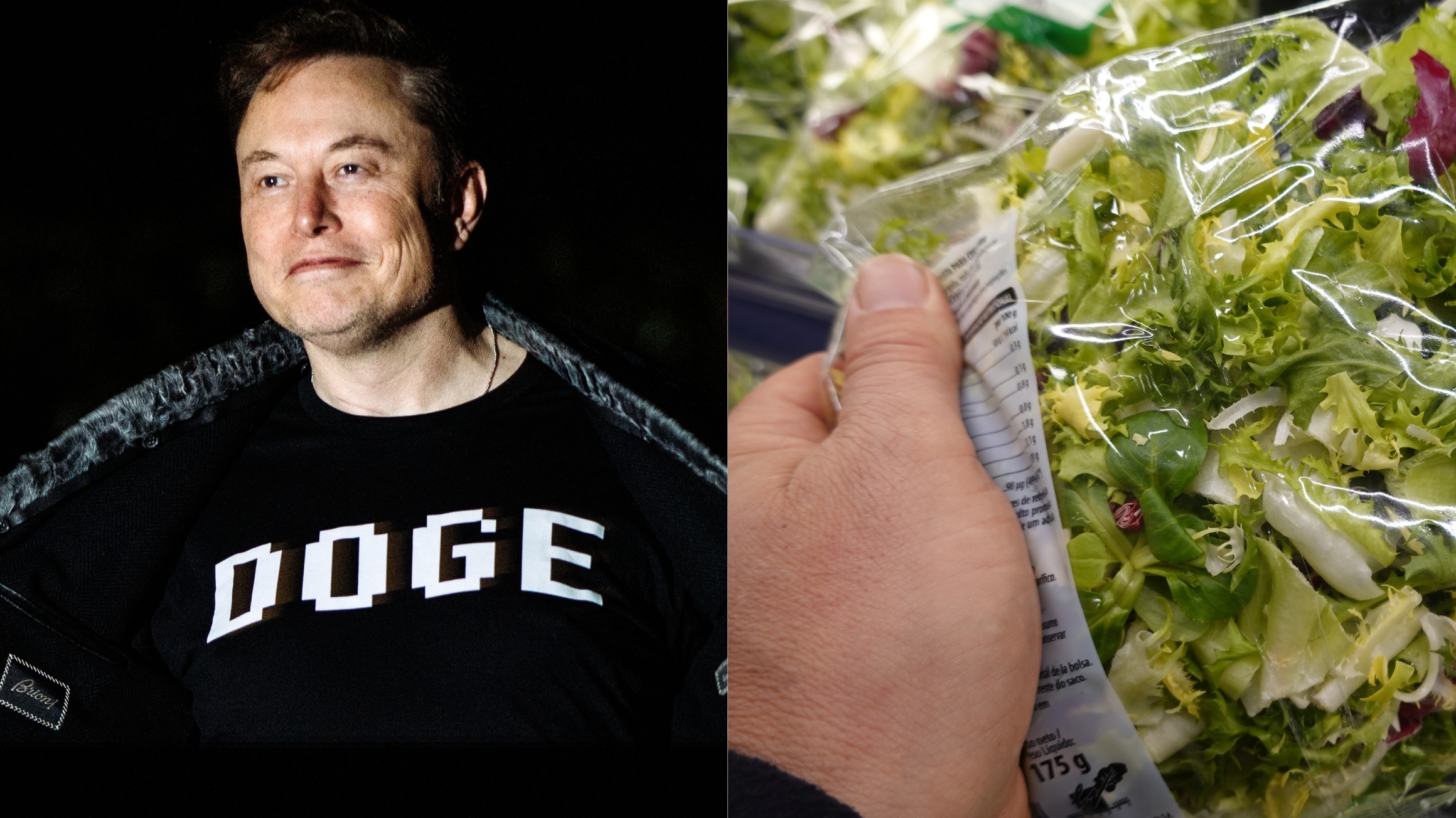
The United States is currently navigating its largest recorded outbreak of cyclosporiasis, driven by infections from the Cyclospora parasite through contaminated food or drink. This gastrointestinal illness brings severe, lingering stomach cramps and explosive diarrhea, creating significant distress for those infected. As health officials grapple with the ongoing surge, public health experts and investigators point out that federal agencies tasked with tracking and containing such outbreaks are operating with severely diminished resources following sweeping federal workforce cuts and policy shifts enacted by the Trump administration.
Cyclosporiasis cases have surged across multiple states, leaving investigators racing to identify the exact vehicle of transmission. While initial tests briefly pointed toward Taylor Farms lettuce, those findings were subsequently withdrawn as false positives, though lettuce remains a primary focus in the active investigation. Compounding these tracking difficulties, the incubation period for Cyclospora spans two to 14 days, a window that makes it exceptionally hard for patients to accurately recall every food item consumed.
Public health professionals emphasize that robust active surveillance systems are vital during such delays because proactive tracking catches more cases and secures more complete data. Yet, this year’s outbreak is unfolding within a public health infrastructure that has faced significant reductions.
Policy Changes at FoodNet and Surveillance Rollbacks
A central pillar of federal foodborne illness monitoring is the Foodborne Diseases Active Surveillance Network, or FoodNet, operated jointly by the Centers for Disease Control and Prevention, the Food and Drug Administration, the United States Department of Agriculture Food Safety and Inspection Service, and state health departments. Covering roughly 62.6 million people across ten states, FoodNet relies on active outreach where staff regularly audit laboratories and inquire about new cases rather than waiting for passive reports.
Despite data showing that active surveillance doubles reporting rates and yields more complete records, the Trump administration altered FoodNet’s mandate in July 2025. Reporting for cyclosporiasis was made optional, restricting mandatory tracking primarily to salmonella and Shiga toxin-producing E. coli. The administration defended the shift as a resource-saving measure to eliminate duplication, conflating active surveillance with passive structures like the National Notifiable Diseases Surveillance System. By scaling back required tracking diseases, the administration narrowed FoodNet’s utility just as a major parasite surge strained the nation’s diagnostic capabilities.
Federal Workforce Reductions and Structural Cuts
The modification of FoodNet did not happen in isolation. It accompanied widespread reductions in federal scientific and regulatory personnel, many executed under the direction of the Department of Government Efficiency, commonly known as DOGE. Across major agencies, staffing levels experienced steep drops. The USDA shed 24,000 workers, marking an approximate 27 percent reduction, while the CDC lost nearly 3,000 staff members, losing roughly a quarter of its workforce. Meanwhile, the FDA saw reductions exceeding 4,000 workers, amounting to nearly a fifth of its personnel.
These departures directly impacted specialized containment programs. In February 2025, the administration dissolved the USDA’s National Advisory Committee on Microbiological Criteria for Foods as it was developing best-practice guidelines to combat foodborne pathogens. In April 2025, federal budget and staffing reductions forced the suspension of proficiency testing for the Food Emergency Response Network, a vital mechanism ensuring that the nation’s 170 food-testing laboratories delivered reliable results during an emergency. Additionally, the CDC downsized its dedicated parasite surveillance team from eleven specialists down to just three.
Farmworker Protections and Workplace Safety Concerns
Sanitation and hygiene on agricultural lands remain foundational to preventing fecal contamination of fresh produce, which often occurs when farmworkers lack adequate restroom facilities. Rather than strengthening safety enforcement, the Department of Labor suspended enforcement in June 2025 of rules protecting H-2A agricultural guestworkers from retaliation after filing safety grievances or consulting worker advocates. The administration subsequently advanced proposals to rescind those worker protections entirely.
Investigators and health officials continue their trace-back efforts to pinpoint the exact source of the current Cyclospora surge as state and federal agencies navigate diminished analytical capacity.
Keep reading