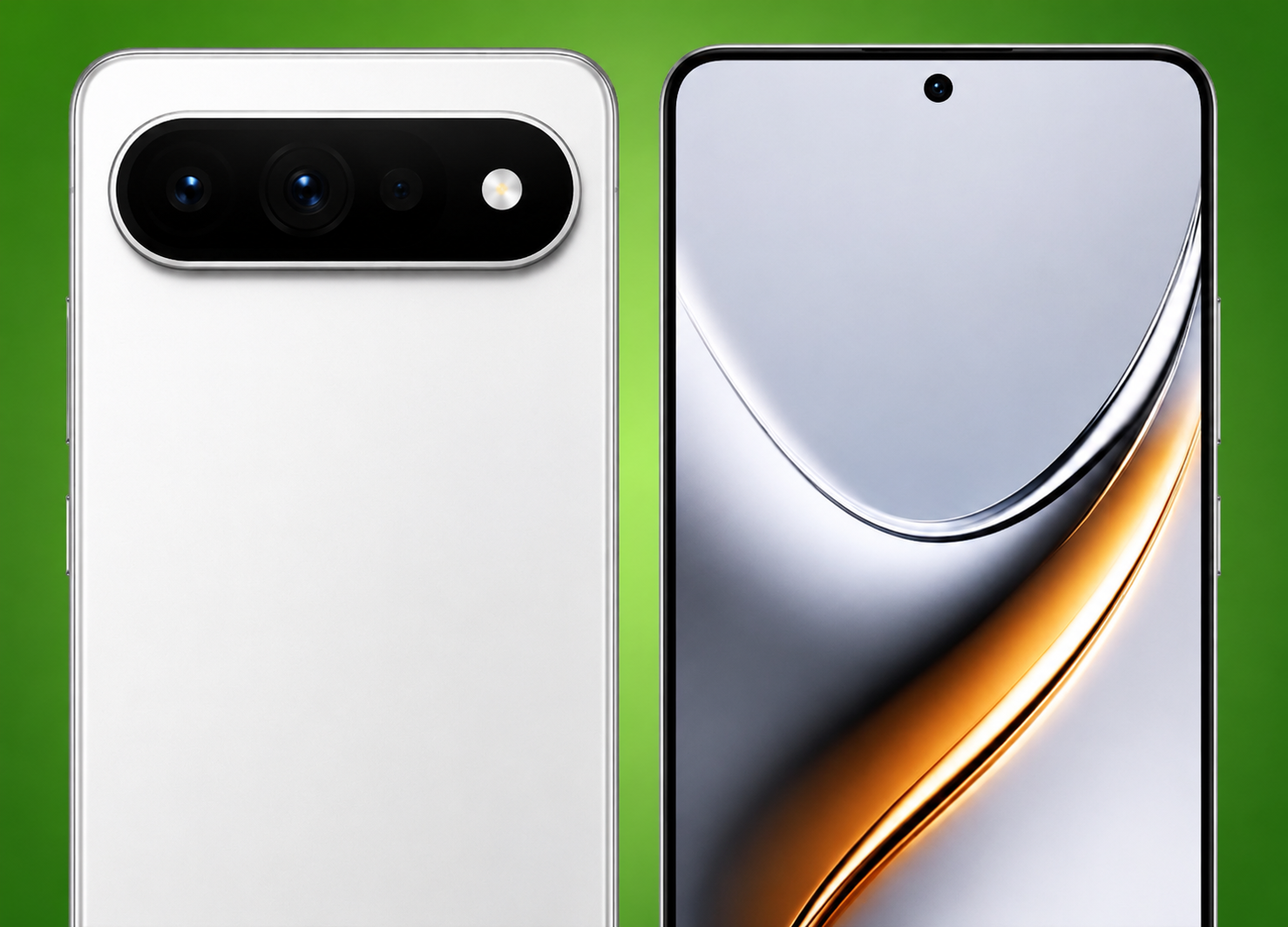
Recent industry leaks regarding the upcoming Redmi Turbo 6 Max point toward a heavily revised hardware strategy, featuring an unusually large battery capacity paired with an exterior design language drawing from both Apple and Google Pixel aesthetics. According to reports circulating across mobile technology tracking platforms, the device aims to bridge the gap between ultra-long-lasting battery performance and modern, minimalist smartphone styling.
As consumers increasingly demand multi-day battery endurance without sacrificing thin profiles, manufacturers are exploring high-density energy solutions. The rumored Redmi Turbo 6 Max places itself directly at the center of this trend, indicating a potential shift for mid-range and upper-mid-range Android hardware releases in the upcoming product cycle.
Industry watchers analyzing the supply chain data note that while Xiaomi has not yet issued an official statement regarding the device’s exact specifications, prototype details have steadily emerged through regulatory filings and component leaks. These early disclosures offer a clear glimpse into how smartphone design trends are converging globally.
Design Influences: Blending Pixel and Apple Aesthetics
Hardware leaks indicate that the Redmi Turbo 6 Max adopts a hybrid visual identity, blending elements popularized by Apple’s iPhone lineup with the distinct camera bar philosophy of Google’s Pixel series. Industrial design analysts suggest the chassis incorporates flat edges and symmetric bezels reminiscent of recent iOS hardware, while the rear camera module houses sensors within a prominent, horizontal visor style.
This design choice represents a departure from traditional curved-glass aesthetics previously favored by many regional manufacturers. By opting for a flat display panel and structured framing, the device aims to improve ergonomic grip while accommodating the internal volume required for significantly larger power cells.
Design choices in mobile hardware often dictate repairability and thermal dissipation. Tech analysts point out that a flatter chassis structure simplifies internal component stacking, which becomes crucial when engineering devices equipped with high-capacity energy reserves.
The 10,000 mAh Battery Capacity Milestone
The most notable specification attached to the Redmi Turbo 6 Max leaks is a projected 10,000 mAh battery capacity. If verified upon release, this figure doubles the standard power reserves found in typical flagship and mid-range smartphones, which generally hover between 4,500 mAh and 5,000 mAh.
Achieving a 10,000 mAh rating in a device intended for consumer retail markets requires advanced silicon-carbon anode technology. Engineering reports highlight that these newer battery chemistries allow manufacturers to store significantly more electrical charge per cubic millimeter than traditional lithium-ion cells without creating an overly bulky chassis.
Power users and mobile gaming enthusiasts stand to benefit most from such substantial energy reserves. However, industry engineers note that charging speeds will require robust high-wattage adapters to replenish a battery of this scale within reasonable timeframes, keeping power management systems under close scrutiny from safety regulators.
Market Positioning and What Happens Next
The Redmi Turbo 6 Max is expected to target performance-conscious consumers looking for exceptional battery longevity, though regional availability and official pricing remain unconfirmed. Competitors in the Android ecosystem are closely monitoring these developments as indicators of shifting consumer priorities toward endurance over sheer thinness.
Official announcements from Xiaomi regarding the Redmi Turbo series typically follow a seasonal product rollout schedule. Consumers and industry observers await upcoming regulatory certifications or official teaser campaigns to confirm the final hardware configurations, pricing tiers, and release dates.
What are your thoughts on smartphones featuring 10,000 mAh batteries? Do you prefer a thicker device with multi-day battery life, or a slimmer phone that requires daily charging? Share your perspective in the comments below.
Worth a look