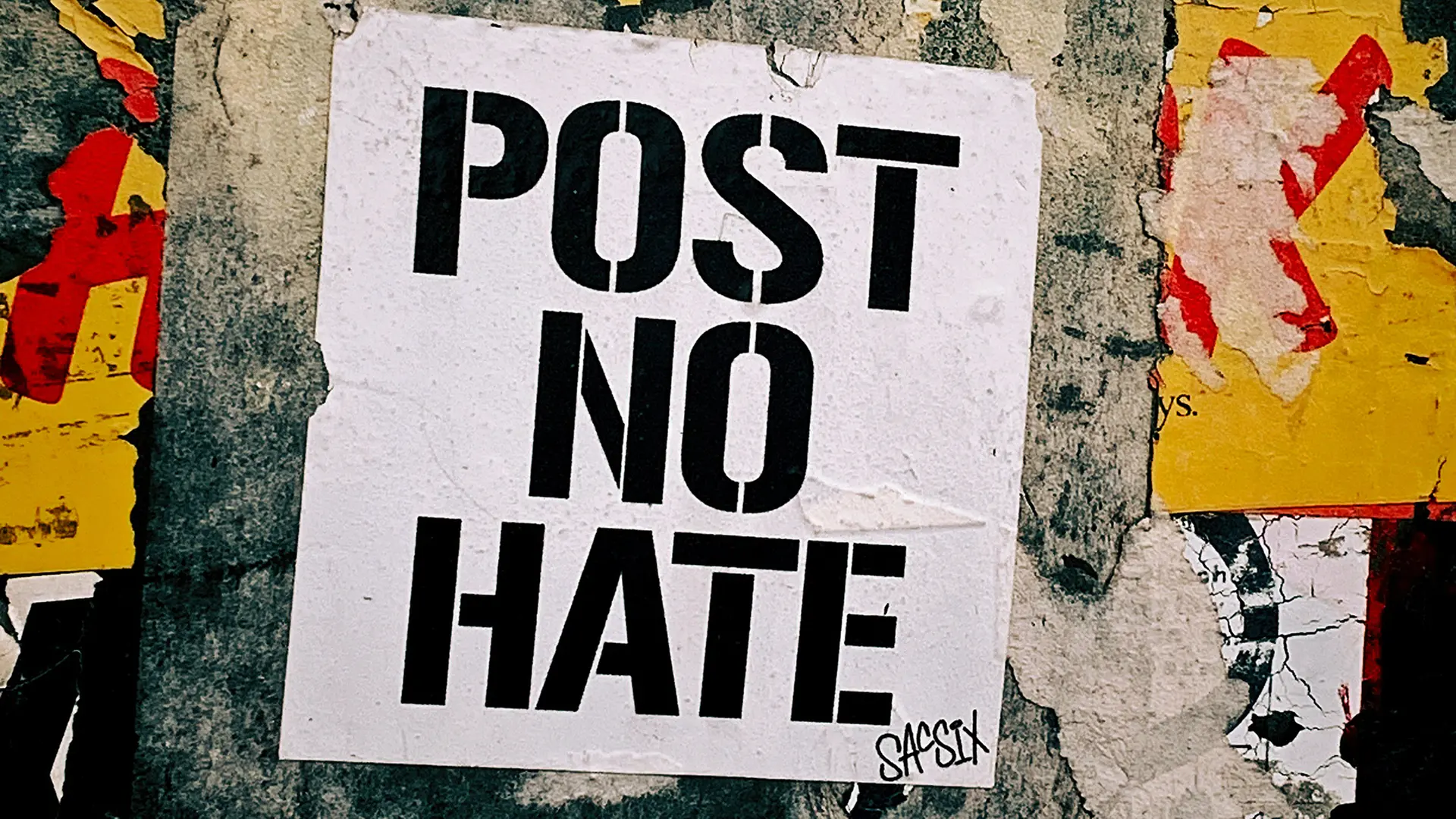
Digital communication and generative artificial intelligence increasingly shape daily routines across global networks, yet rising hostility across online platforms continues to test the foundations of digital discourse. According to a Pew Research Center report, a significant share of internet users have experienced various forms of online harassment, with vitriol and polarization escalating steadily over decades of digital media expansion. Researchers and platform safety advocates point to algorithmic design choices and real-time engagement incentives as core drivers of hostile interactions.
As social media networks approach more than twenty years of mainstream public integration, the original promise of global connectivity has collided with systemic friction. Industry analysts and digital sociologists track how communication dynamics have shifted from early community-building experiments into high-velocity feedback loops where sensationalism and outrage frequently outperform nuanced dialogue. Understanding these patterns requires examining how technical architecture intersects with human behavior.
Platform developers and regulatory bodies face mounting pressure to address the structural elements that reward inflammatory content. While major technology firms have introduced automated content moderation tools and algorithmic filters, critics argue these measures often fail to address the root causes of platform toxicity. As digital communication expands into new automated frontiers, the debate over who bears responsibility for online civility intensifies.
The Evolution of Digital Vitriol and Algorithmic Amplification
The mechanics of modern platforms are built around engagement metrics that inadvertently prioritize emotional intensity. According to data examined by the Oxford Internet Institute, content that evokes strong negative emotions such as anger or indignation tends to spread faster and wider than neutral information. This dynamic creates an environment where hostile rhetoric is systematically amplified by recommendation systems designed to maximize user attention time.
Over the past two decades, the transition from static web forums to algorithmic feeds transformed how users encounter opposing viewpoints. Instead of fostering open debate, algorithmic sorting frequently constructs echo chambers that reinforce existing biases and harden opposition against dissenting perspectives. When users are continually exposed to curated outrage, civil discourse degrades, making constructive engagement increasingly difficult to sustain across public digital spaces.
Furthermore, the anonymity afforded by many online services lowers psychological barriers to aggressive behavior. Users feel emboldened to launch personal attacks or spread inflammatory claims without facing real-world social consequences. This disinhibition effect compounds the structural incentives provided by platform algorithms, creating a dual engine of hostility that continually fuels digital friction.
Regulatory Responses and Industry Accountability Measures
Governments and regulatory agencies worldwide are stepping up scrutiny on how major technology companies manage abusive content and platform safety. The European Union’s Digital Services Act enforces strict transparency and accountability obligations on very large online platforms, requiring them to assess and mitigate systemic risks including illegal content and societal harms. Similar legislative initiatives are under consideration or implementation in various global jurisdictions.
Compliance with these new legal frameworks demands substantial investment in content moderation infrastructure, including both human review teams and advanced machine learning models. However, reliance on automated tools introduces its own set of challenges, such as the accidental suppression of legitimate speech and the difficulty of capturing nuanced context, sarcasm, or cultural idioms. Civil liberties organizations frequently caution that aggressive moderation mandates could lead to over-censorship if platforms prioritize legal risk avoidance above open expression.
Industry stakeholders continue to debate the appropriate balance between free expression and user protection. Representatives for major social media firms often emphasize ongoing partnerships with independent researchers and civil society organizations to refine content policies. Despite these efforts, independent watchdogs argue that transparency reports remain insufficient for verifying the true efficacy of platform interventions against coordinated harassment campaigns.
Impact on Public Discourse and User Well-Being
The accumulation of persistent online hostility carries measurable consequences for public discourse and individual psychological well-being. Studies highlighted by the American Psychological Association indicate that chronic exposure to cyberbullying and toxic environments contributes to elevated stress, anxiety, and a sense of helplessness among users, particularly younger demographics who spend significant portions of their day on digital platforms.
Beyond individual impacts, widespread vitriol distorts public debate on critical social and political issues. Experts in media studies note that public figures, journalists, and marginalized groups often face targeted harassment campaigns designed to silence their participation in public forums. This chilling effect reduces the diversity of voices in digital spaces, undermining the democratic potential of open communication networks.
Addressing these systemic challenges requires a multifaceted approach involving platform design reforms, digital literacy education, and clear regulatory oversight. As artificial intelligence tools become more deeply embedded in daily communication channels, the imperative to build resilient, safer digital environments grows ever more urgent for technologists, policymakers, and users alike.