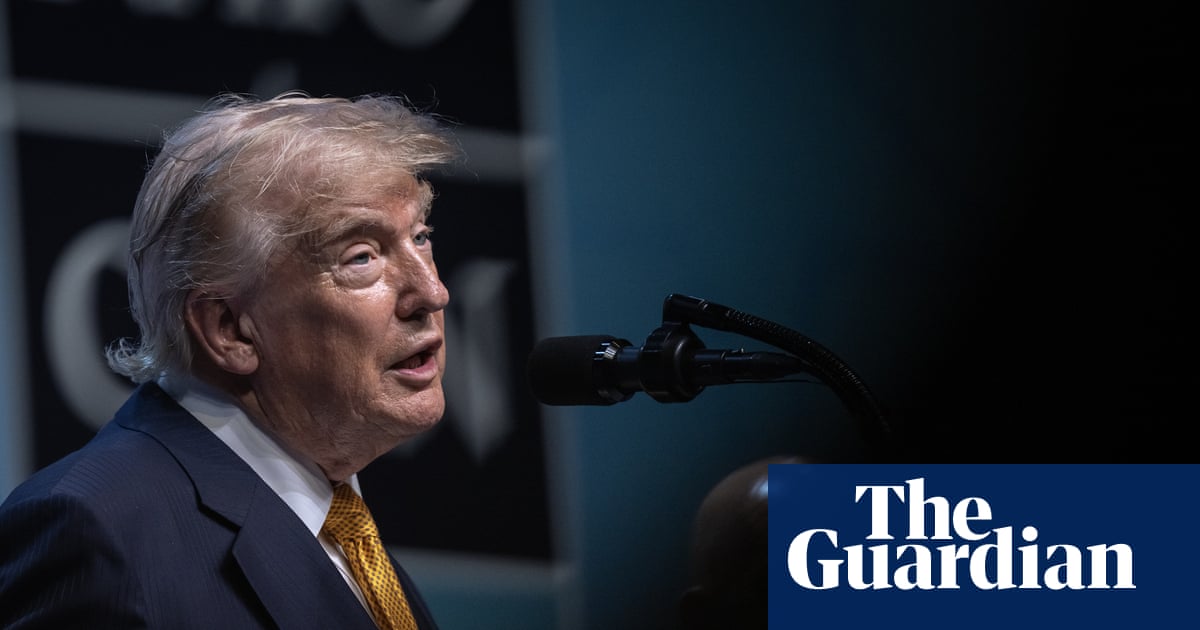
President Donald Trump directed the U.S. military not to conduct new strikes in Iran on Friday, breaking a nearly two-week streak of daily attacks, according to two sources with knowledge of the decision as reported by Axios. The president’s directive came after he approved daily strike plans submitted by the military over the previous 13 days.
Trump Directs Military Halt to Iran Strikes Amid Omani-Mediated Talks
According to Axios, Trump’s decision reflects both his willingness to provide more space for diplomacy and a recognition that the current level of U.S. strikes has reached the limit of its effectiveness, short of a return to major combat operations. The U.S. military remains prepared to mobilize on relatively short notice if ordered to return to strikes and is still preparing plans for a possible return to major combat operations, though Trump has not given orders in that direction.
Omani Delegation Arrives in Tehran as Negotiations Progress
Trump’s order to hold fire was given several hours after an Omani delegation arrived in Tehran on Friday for talks regarding a new arrangement to reopen the Strait of Hormuz, as detailed by Axios. Two regional sources with knowledge of the negotiations reported that progress has been made and that an agreement between Oman and Iran could be reached over the weekend, which would then require President Trump to decide whether to accept the proposed deal.

Speaking about the diplomatic efforts, Trump stated on Monday that the United States was having “good talks” with Iran and that there was a chance of a deal, while also warning that U.S. strikes would resume if negotiations failed to deliver, according to Reuters. I think there's a good chance that something could happen, and if it does, good, if it doesn't, we go back to doing what we were doing two days ago,
Trump said.
Tehran’s Stance and Regional Reactions
Despite the diplomatic track and the pause in U.S. air campaigns, tensions and regional hostilities persisted. Iran’s Foreign Ministry spokesman Esmail Baghaei stated that messages were still being passed between the sides through mediators and that Iran had not forsaken diplomacy, though he claimed reports that Tehran requested negotiations were “fabricated,” according to Reuters. A senior Iranian official told Reuters that Iran would halt its own attacks as long as Trump’s self-imposed ceasefire continued.
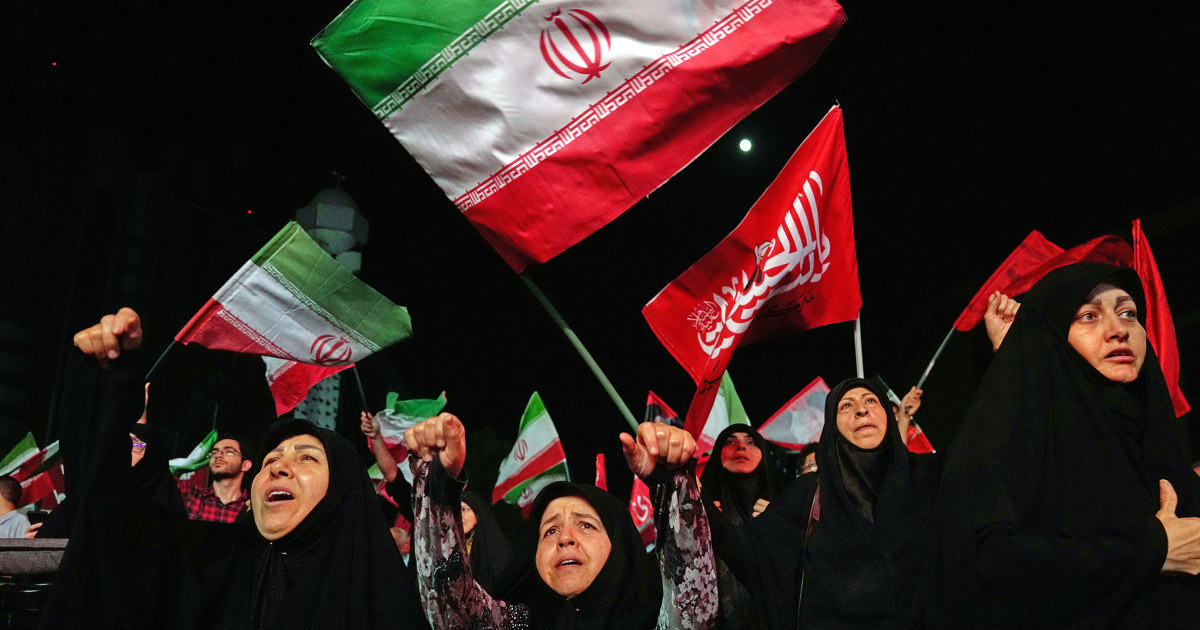
Meanwhile, Saudi Arabia, Jordan, and Iraq reported drone attacks on Monday, and Saudi Arabia announced it had shot down drones aimed at petroleum targets, including in Riyadh, as reported by Reuters. Additionally, Iran’s central military command accused the U.S. of threatening vessels and oil tankers in its territorial waters and attempting to implement an illegal maritime blockade. Iranian state media outlets also cited an informed source
stating that Iran had turned around six offending ships
that attempted to cross the Strait of Hormuz without permission.
Public Approval and Political Stakes
As the conflict and negotiations unfold, political and public polling metrics reflect shifting dynamics in the United States. A Reuters/Ipsos poll conducted over the weekend showed Trump’s approval rating ticking higher to 37%, representing a three-point increase from the previous month when it tied the lowest mark of his presidency, according to Reuters. However, the polling also indicated that just one in three Americans support the Iran war—marking the lowest reading since the conflict’s early days—with most respondents stating that Trump has failed to clearly explain his goals as Republicans prepare to defend slim congressional majorities in the November midterm elections.
Related reading